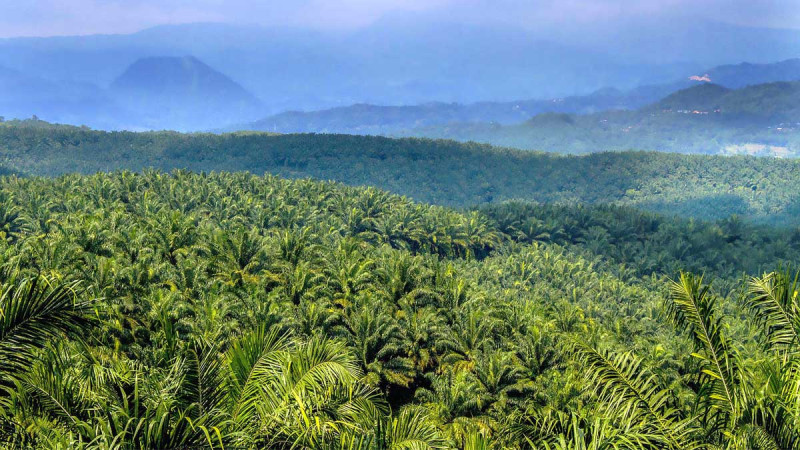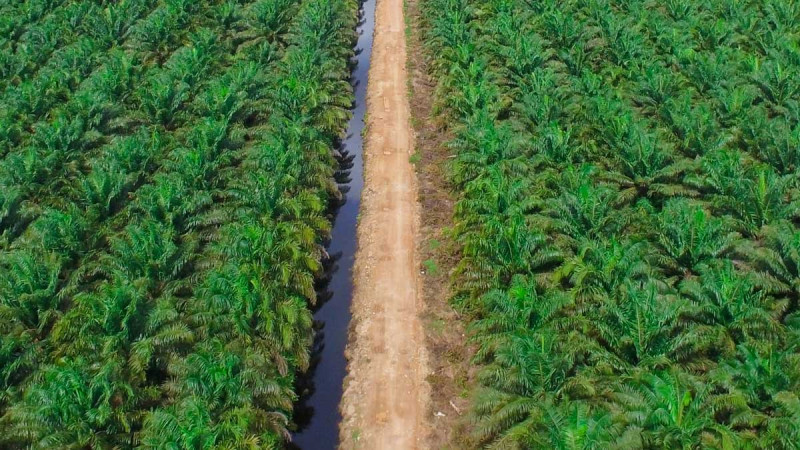
InfoSAWIT, JAKARTA – State-owned plantation company PT Agrinas Palma Nusantara is preparing a pilot project for palm oil plasma development in partnership with smallholder cooperatives in North Sumatra, with the initiative expected to serve as a model for similar programmes across Indonesia.
The plan is designed to establish a partnership framework between Agrinas and palm oil smallholders organised through cooperatives, combining plantation development with broader opportunities for community participation in the palm oil value chain.
According to Antara, as published by InfoSAWIT on Wednesday, August 19, 2026, Agrinas Palma Nusantara President Director Mohammad Abdul Ghani said the pilot project had received support from the Ministry of Cooperatives.
The initiative will focus on developing a plasma partnership model in North Sumatra that could later be replicated in other regions.
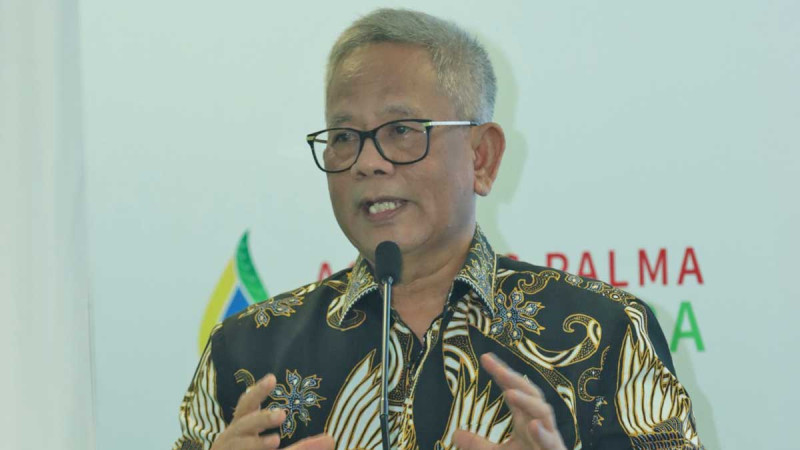
“We will conduct a pilot project, with support from the Minister of Cooperatives, in North Sumatra to build a plasma partnership between Agrinas and farmers organised through cooperatives. The model will then be used in other locations,” Ghani said after attending the National Seminar on Cooperative-Based Palm Oil Downstreaming in Musi Banyuasin, South Sumatra.
Palm Oil Plasma Development Expands Cooperative Role
Ghani said Agrinas Palma Nusantara plans to develop partnerships with cooperatives across several areas of its business.
In addition to becoming suppliers or vendors, cooperatives could also participate in the development of palm oil plasma plantations.
He noted that the partnership model is linked to provisions requiring a minimum 20% allocation for smallholder palm oil development in relevant plantation areas.
“Going forward, in managing the company, we will work with cooperatives, both as vendor partners and in relation to the development of palm oil plasma in areas where, under the regulations, at least 20% must be allocated or developed for community palm oil plantations,” he said.
Agrinas has also opened opportunities for cooperatives in other parts of Indonesia to establish partnerships with the company through its regional leadership and operational network.
Agrinas Palma Nusantara has been assigned by the government to manage palm oil plantations originating from the enforcement and recovery of forest areas. According to Ghani, approximately 4.1 million hectares of land handled through the Forest Area Enforcement Task Force, or Satgas PKH, have been entrusted to Agrinas for management.
Cooperatives Seen as Key to Palm Oil Downstream Development
Minister of Cooperatives Ferry Juliantono said cooperative-based palm oil development could play an important role in expanding community participation, particularly among palm oil smallholders, in areas managed by Agrinas Palma Nusantara.
According to Ferry, collaboration between Agrinas and cooperatives could strengthen the role of smallholders not only in plantation management but also in the broader transformation and downstream development of Indonesia's palm oil industry.
“The President wants the management by PT Agrinas Palma Nusantara to also involve the community and cooperative members, who are essentially palm oil farmers,” Ferry said.
He added that cooperatives have the potential to take on a larger role throughout the palm oil business chain.
Beyond plantation management, cooperatives could also develop into business entities involved in processing and downstream industries.
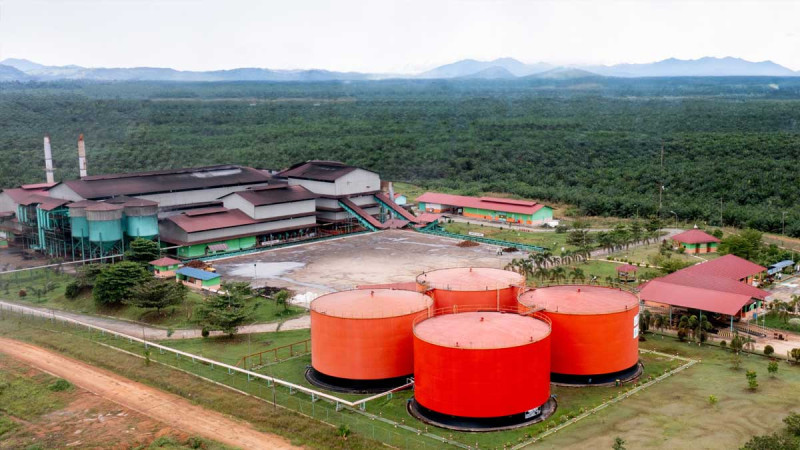
Ferry pointed to KUD Sejahtera Banyuasin as an example of a cooperative that has expanded its palm oil business and developed a crude palm oil processing facility.
Such models, he said, could provide a reference for cooperative development in other palm oil-producing regions.
The expansion of cooperative-based downstream activities is expected to create greater value for smallholders and local communities. By processing fresh fruit bunches and developing palm oil-based products closer to production centres, more economic activity could remain within producing regions.
Through the planned North Sumatra pilot project, Agrinas Palma Nusantara and participating cooperatives are expected to develop a partnership model that goes beyond plantation management and creates broader opportunities for palm oil smallholders to participate throughout the industry’s value chain. (T2)