JAKARTA, InfoSAWIT – Regenerative agriculture is increasingly emerging as a practical solution to restore soil health while improving farmers' livelihoods, as Indonesian agricultural communities seek more sustainable production systems amid growing environmental and climate challenges.
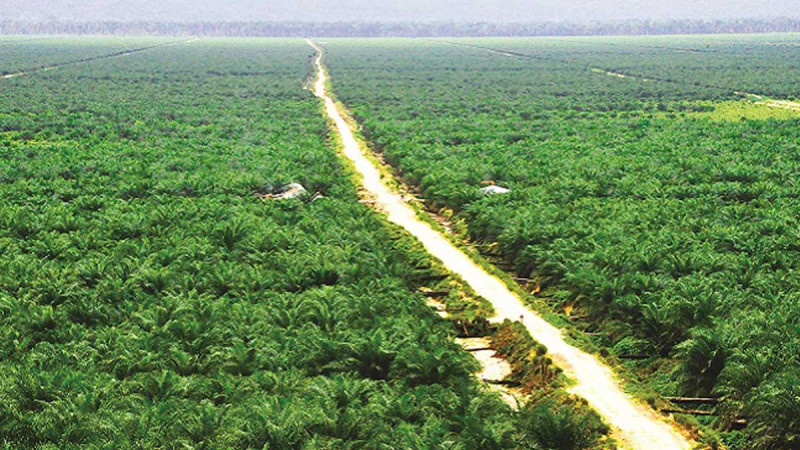
For decades, much of Indonesia's farming sector has relied on monoculture cultivation, intensive chemical fertilizer use, and maximizing production volumes. While the approach initially boosted yields, it has also contributed to declining soil fertility, reduced biodiversity, and increasing production risks.
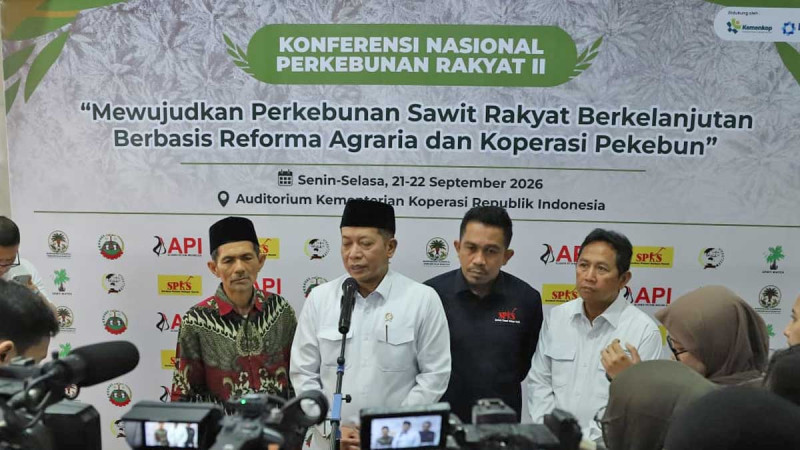
According to Mansuetus Darto, Executive Secretariat of the Tani Baik (Association for Sustainable Innovative Farming), many of today's agricultural challenges are rooted in a long history of industrialized farming practices that have made producers heavily dependent on external inputs.
He noted that generations of farmers have been encouraged to rely on chemical fertilizers through extensive marketing campaigns, product demonstrations, and financing support, while alternative farming approaches have received far less attention.
As a result, many farmers continue to follow conventional cultivation methods inherited from previous generations, even as environmental conditions continue to change.
Climate change has further complicated the situation by disrupting seasonal weather patterns, increasing extreme weather events, and intensifying pest and disease outbreaks. These developments require farming systems that are more resilient and adaptive than traditional production models.
Darto explained that regenerative agriculture seeks to address these issues by restoring soil health, increasing biodiversity, improving water retention, and reducing long-term dependence on synthetic inputs.
Beyond environmental restoration, regenerative farming also responds to changing market demands. International buyers are increasingly seeking agricultural products produced under sustainable and environmentally responsible practices, creating new market opportunities for farmers adopting regenerative methods.
According to Darto, regenerative agriculture is designed to balance economic viability, environmental stewardship, and social sustainability, ensuring that farming systems remain productive while preserving natural resources for future generations.
He emphasized that the transformation extends beyond introducing new cultivation techniques. Instead, it involves reshaping the broader agricultural ecosystem—including farmer knowledge, market access, institutional support, and public policy—to create a more resilient rural economy.
As Indonesia continues to strengthen sustainable agriculture, regenerative farming and agroforestry are increasingly viewed as complementary strategies capable of enhancing productivity while restoring ecological functions and improving long-term farmer welfare.
The growing adoption of these approaches signals a broader shift toward agricultural systems that not only produce food and commodities but also regenerate landscapes, strengthen communities, and build resilience against future climate and market uncertainties. (T2)
Source: InfoSAWIT.