JAKARTA, InfoSAWIT – Indonesia's ambitious transition to the B50 biodiesel mandate promises significant gains in energy security and foreign exchange savings. However, industry observers warn that the policy's long-term success will depend on the country's ability to strengthen its palm oil supply chain, expand downstream processing capacity, and maintain sustainable financing mechanisms.
As the world's largest producer of crude palm oil (CPO), Indonesia has transformed its palm oil industry from a commodity exporter into a major supplier of value-added downstream products. Over the past five years, national CPO production has climbed from around 40 million tons in 2020 to approximately 51.66 million tons in 2025, highlighting the sector's rapid expansion.
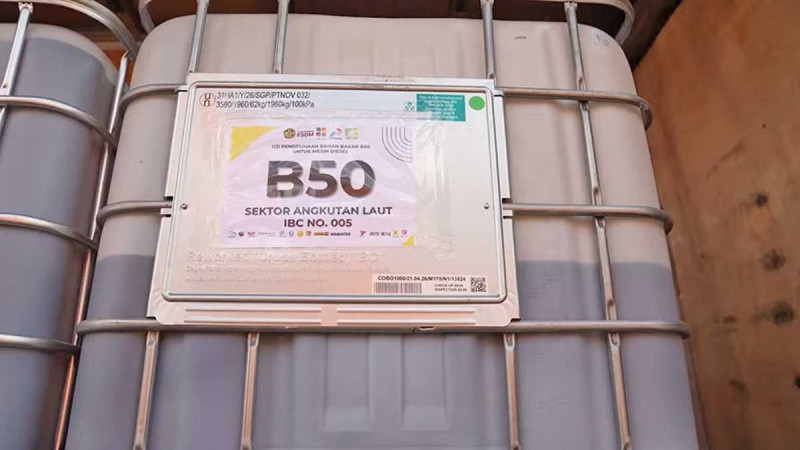
The government's biodiesel blending program has become one of the main drivers of that transformation. Since its introduction at B2.5 in 2008, the mandate has progressively expanded through B40 and officially entered the B50 era on July 1, 2026, significantly increasing domestic consumption of palm oil.
The Ministry of Energy and Mineral Resources estimates that implementing B50 could generate foreign exchange savings of Rp157.28 trillion annually, exceeding the estimated Rp140 trillion saved under the B40 program. The additional savings strengthen the government's strategy to reduce dependence on imported diesel while enhancing national energy resilience.
Despite these advantages, questions remain over whether Indonesia's downstream industry is fully prepared for the higher biodiesel demand.
Industry estimates suggest that B50 implementation will require biodiesel production capacity of around 26 million kiloliters per year, while the country's current installed capacity stands at approximately 22 million kiloliters. Moreover, actual utilization rarely reaches full capacity because production facilities require routine maintenance and generally operate at around 80 percent utilization.
Refining capacity also presents a challenge. Existing palm oil refineries are considered sufficient through the end of 2026, but additional capacity—estimated at roughly 5 million tons annually—will likely be needed from 2027 onward to accommodate growing biodiesel feedstock requirements.
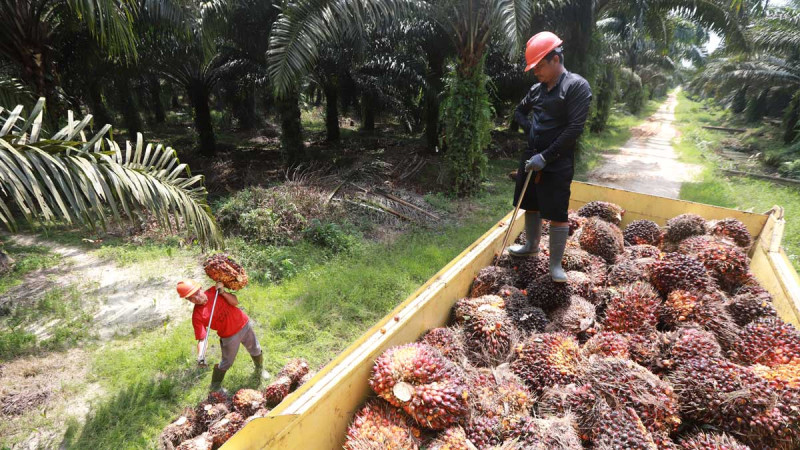
According to data from the Indonesian Palm Oil Association (GAPKI), producing between 19.5 million and 20 million kiloliters of B50 biodiesel would require approximately 17.5–18 million tons of CPO, substantially higher than the 13.9–14 million tons consumed under the B40 program.
The increase in domestic demand could reduce Indonesia's CPO exports by an estimated 2–3 million tons, particularly as supply also faces pressure from replanting programs, weather variability, and land governance initiatives. Reduced export volumes could tighten supplies and potentially lift global CPO prices.
While higher prices would benefit producers, they could simultaneously weaken the funding base of Indonesia's biodiesel incentive scheme.
The biodiesel subsidy mechanism is financed by the Palm Oil Plantation Fund Management Agency (BPDP) through export levies. As domestic consumption expands and export volumes decline, levy collections could decrease even as subsidy requirements continue to grow.
This creates a policy paradox: the success of the biodiesel program may gradually reduce the very export revenues that finance its incentives.
For that reason, the editorial emphasizes that the B50 mandate should not only be viewed as a milestone in downstream industrialization or energy independence. It should also be regarded as a comprehensive test of Indonesia's palm oil supply chain, industrial readiness, fiscal sustainability, and long-term policy coordination.
Strong implementation, balanced market management, and prudent planning will ultimately determine whether B50 delivers its full economic and strategic potential for Indonesia's palm oil sector. (T2)
Author: InfoSAWIT Editor-in-Chief/ Ignatius Ery Kurniawan
InfoSAWIT Magazine Editorial, June 2026 Edition