InfoSAWIT, JAKARTA – Indonesia's Serikat Petani Kelapa Sawit (SPKS) has welcomed the government's plan to strengthen the palm oil industry through cooperative-owned processing facilities, while urging policymakers to ensure the initiative benefits existing independent smallholder cooperatives rather than focusing exclusively on newly established entities.
The farmers' organization believes that cooperative-based downstream development—including mini palm oil mills and cooking oil processing facilities—could significantly improve smallholders' position within Indonesia's palm oil value chain.
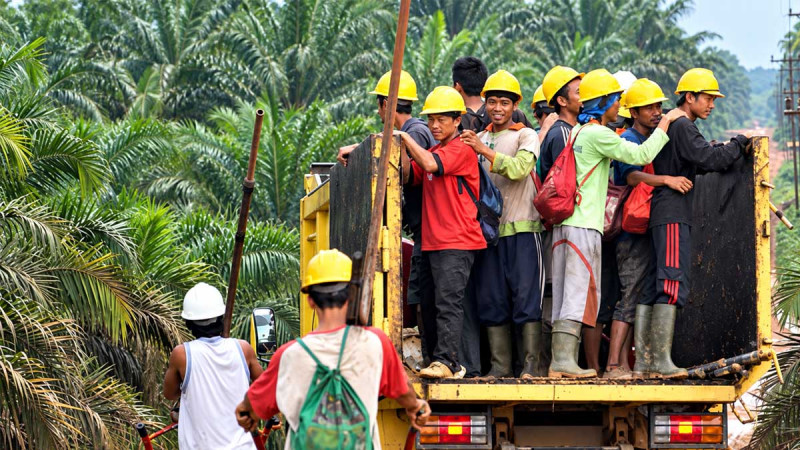
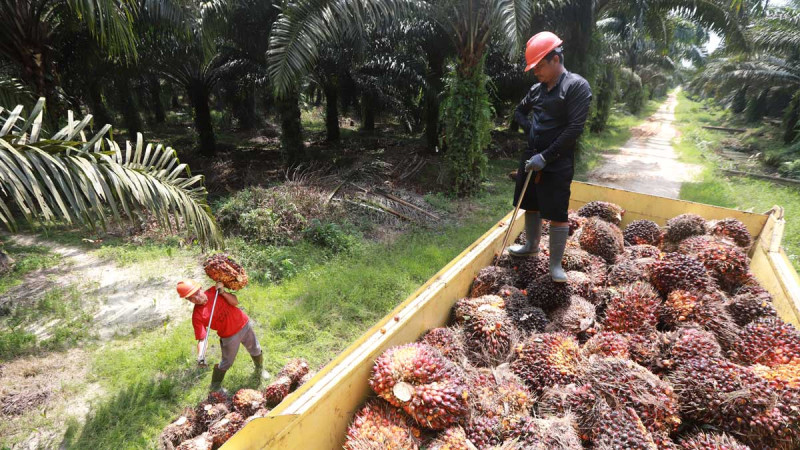
For decades, most independent oil palm farmers have relied on selling fresh fruit bunches (FFB) to traders or intermediaries, limiting their bargaining power and preventing them from capturing higher value from downstream processing.
SPKS said that allowing cooperatives to participate directly in palm oil processing would enable farmers to generate additional income while transforming them from raw material suppliers into active players in Indonesia's growing palm oil industry.
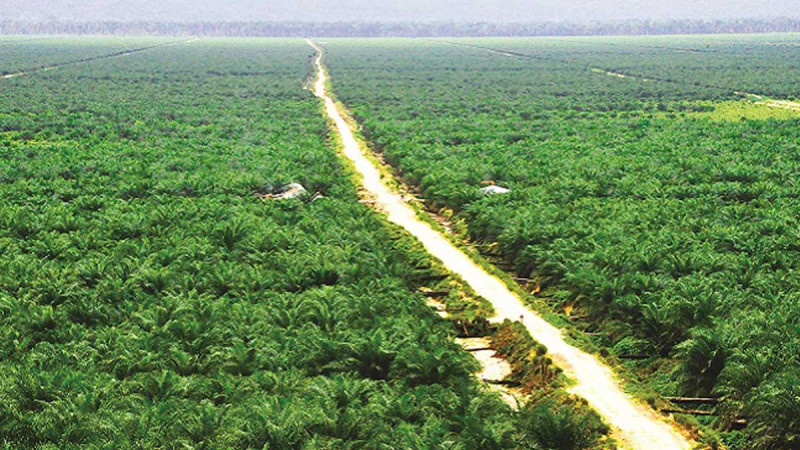
According to the organization, independent smallholders currently manage around 41 percent of Indonesia's total oil palm plantation area, representing approximately 2.9 million farmers. Despite their significant contribution to national production, access to processing facilities and marketing channels remains limited.
In a statement received by InfoSAWIT on Wednesday, SPKS noted that stronger cooperative institutions would not only increase farmers' economic returns but also improve their negotiating position in both domestic and international palm oil markets.
The organization also highlighted financing as one of the biggest obstacles facing farmer cooperatives. Easier access to capital and government support would enable cooperatives to expand their business activities and compete more effectively with larger commercial players.
While supporting the government's downstream agenda, SPKS stressed that implementation should adopt an inclusive approach by involving established independent farmers' cooperatives alongside new organizations created under the government's Koperasi Merah Putih initiative.
The association further proposed launching annual pilot projects involving well-managed cooperatives to evaluate financing models, governance systems, and operational effectiveness before expanding the program nationwide.
SPKS added that the success of cooperative-based downstreaming would ultimately depend on practical financing schemes tailored to the needs of smallholder organizations.
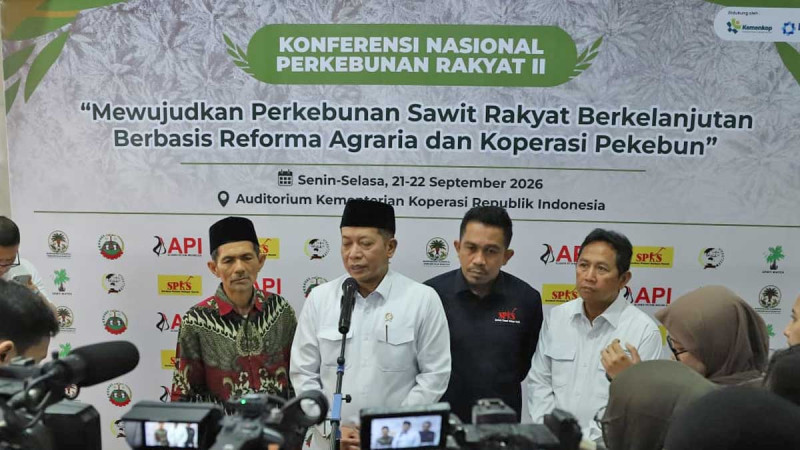
As part of broader efforts to strengthen the people's plantation sector, SPKS, together with several farmer organizations and civil society groups, is currently preparing the 2026 National Smallholder Plantation Conference, which will formulate policy recommendations aimed at building a more inclusive, competitive, and sustainable palm oil industry. (T2)