InfoSAWIT, ABUJA – Nigeria's vegetable oil industry has called on the government to prioritize domestic palm oil production and ensure that international partnerships strengthen national capacity rather than increase dependence on imported palm oil.
The appeal follows Malaysia's proposal to support the development of Nigeria's palm oil sector through technology transfer, sustainability certification, and industry collaboration. While welcoming international cooperation, industry stakeholders argue that such initiatives must primarily benefit Nigeria's long-term industrial growth.
Francis Ikoro, National President of the Vegetable/Edible Oil Producers Association of Nigeria (VEOPAN), said international cooperation should focus on expanding local production capacity rather than creating larger export markets for foreign suppliers.
His comments came after the Malaysian Palm Oil Council (MPOC) reaffirmed its willingness to assist Nigeria in developing its palm oil industry while also identifying the country as a promising market for expanding Malaysian palm oil exports.
According to Ikoro, Malaysia's long-standing investments in research, mechanization, and supportive government policies have enabled it to become one of the world's leading palm oil exporters. However, he stressed that Nigeria's priority should be rebuilding its own industry rather than increasing import dependency.
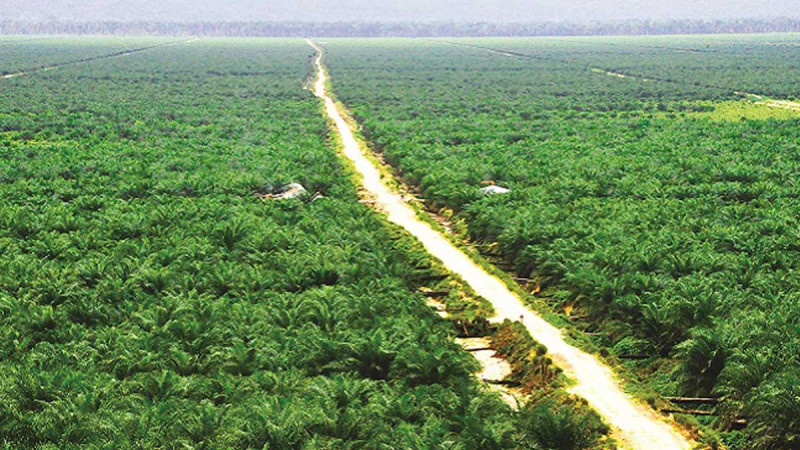
As reported by businessday.ng and cited by InfoSAWIT, Ikoro emphasized that Nigeria's biggest challenge is not a lack of expertise in oil palm cultivation. West Africa, including Nigeria, is the original home of the oil palm and was once among the world's leading producers before being overtaken by Malaysia and Indonesia through decades of sustained investment and technological advancement.
Today, VEOPAN believes Nigeria's palm oil sector faces structural challenges, including inconsistent government policies, inadequate infrastructure, widespread smuggling, limited access to financing, low-yield planting materials, and insufficient protection for domestic producers.
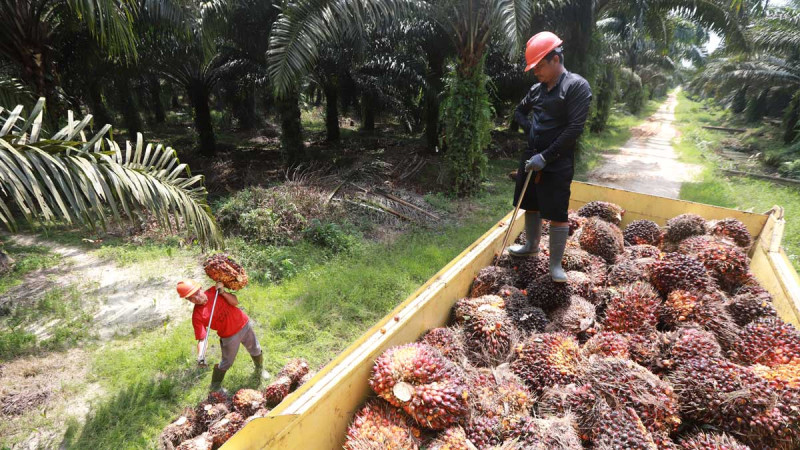
To address these issues, the association proposed that future international cooperation should prioritize establishing certified seed production centers in Nigeria, investing in plantations and processing facilities, developing local palm oil processing equipment manufacturing, strengthening research institutions, enhancing extension services, and promoting joint research with Nigerian universities.
VEOPAN also recommended introducing local content requirements in collaborative projects to ensure technology transfer genuinely strengthens domestic industrial capabilities instead of simply facilitating higher imports of Malaysian products.
The association warned that Nigeria's edible oil industry is already under pressure from both legal imports and cross-border smuggling. A growing dependence on imported palm oil could discourage investment in local plantations, reduce processing plant utilization, weaken rural employment, and place additional pressure on the country's foreign exchange reserves.
According to VEOPAN, every tonne of imported palm oil represents production that could otherwise be supplied by Nigerian farmers and processed domestically, generating greater value for the national economy.
Despite current challenges, the association believes Nigeria has strong potential to reclaim its position among the world's leading palm oil producers, supported by abundant land resources, a favorable tropical climate, a large domestic market, and a growing workforce.
VEOPAN concluded that international partnerships remain important, provided they contribute directly to expanding Nigeria's domestic production capacity. The organization stressed that strategic sectors such as palm oil should ultimately be developed in line with national economic interests to build a competitive and self-sufficient vegetable oil industry. (T2)