InfoSAWIT, JAKARTA – Trade relations between Indonesia and India are back in focus as Indian Prime Minister Narendra Modi visits Indonesia for talks with President Prabowo Subianto, with both countries expected to strengthen economic cooperation, including in the strategic palm oil sector.
According to a report by Rubix Data Sciences, Indonesia remained India's second-largest trading partner in ASEAN during the 2026 fiscal year (FY2026), with bilateral merchandise trade valued at US$24.8 billion. Singapore retained the top position with total trade reaching US$36.1 billion.
As reported by news18.com and cited by InfoSAWIT, overall trade between the two countries has moderated in recent years. Merchandise trade declined from US$38.8 billion in FY2023 to US$24.8 billion in FY2026, reflecting a compound annual decline of approximately 14%.
The slowdown was largely driven by a sharp contraction in India's exports to Indonesia, which dropped from US$10 billion to US$4.5 billion during the same period, representing an average annual decline of 23%. Meanwhile, India's imports from Indonesia eased more moderately, falling from US$28.8 billion to US$20.3 billion.
Despite lower trade volumes, India's trade deficit with Indonesia narrowed from US$18.8 billion to US$15.8 billion, although Indonesia continues to maintain a substantial trade surplus.
The report also highlighted a shift in India's export composition to Indonesia. Refined petroleum products, once the dominant export category, saw their share plunge from 39% to just 5% between FY2023 and FY2026. In contrast, exports of frozen buffalo meat, automotive components, groundnuts, and raw tobacco gained a larger share of India's outbound shipments.
On the import side, Indonesia's exports to India continue to be dominated by strategic commodities. Coal accounted for approximately 30% of India's imports from Indonesia, while palm oil represented 19%, reaffirming its importance in bilateral trade.
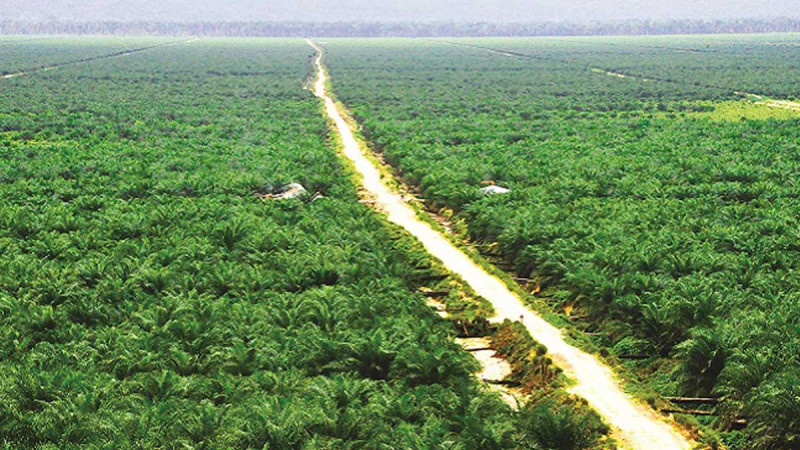
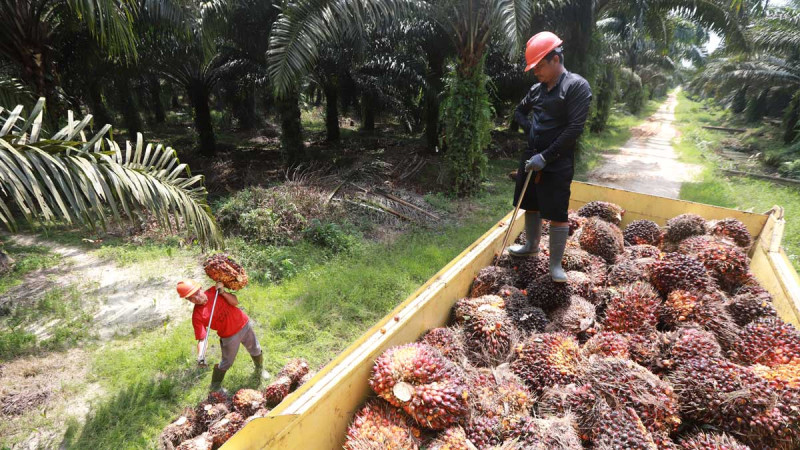
Palm oil remains an essential raw material for India's fast-moving consumer goods (FMCG) industry, supplying manufacturers of processed foods, household products, and personal care items. Consequently, Indonesia's palm oil exports continue to play a vital role in supporting India's industrial supply chain.
Rubix Data Sciences also noted that Indonesia remained India's largest palm oil supplier, accounting for around 40% of the country's total palm oil imports in FY2026, underscoring Indonesia's strategic position in meeting India's edible oil demand.
Beyond palm oil, India's imports from Indonesia have also expanded to include stainless steel, industrial fatty acids, and semiconductors, gradually diversifying bilateral trade.
Prime Minister Modi's visit is expected to further strengthen diplomatic and economic ties while creating new opportunities for trade and investment, including maintaining the long-term stability of Indonesia's palm oil exports to one of its most important overseas markets. (T2)