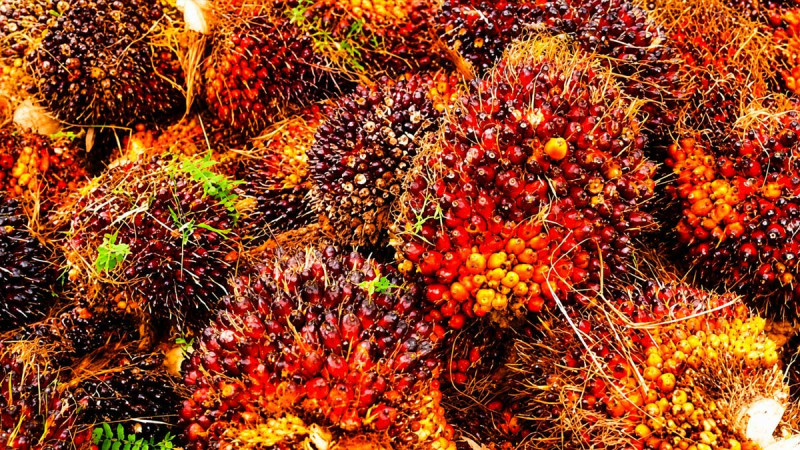
InfoSAWIT, JAMBI – Fresh fruit bunch (FFB) prices for oil palm smallholders in Indonesia's Jambi Province remained broadly stable during the pricing period of June 26 to July 2, 2026, with only a marginal increase recorded for mature plantations, according to the provincial pricing committee.
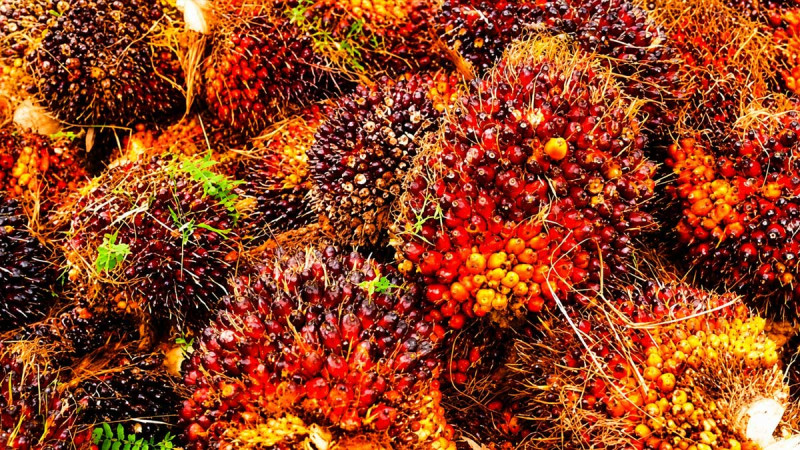
Based on the latest pricing decision monitored by InfoSAWIT from the Jambi Provincial Plantation Agency, the benchmark price for FFB harvested from oil palm trees aged 10 to 20 years—the province's primary production category—increased by Rp1.97 per kilogram to Rp3,708.55/kg.
The latest pricing schedule shows FFB from three-year-old plantations was set at Rp2,891.63/kg, while prices for four-year-old palms reached Rp3,089.83/kg. FFB from five-year-old plantations was priced at Rp3,231.81/kg, increasing to Rp3,366.70/kg for trees aged six years.
Meanwhile, FFB from seven-year-old plantations was valued at Rp3,451.62/kg, while eight-year-old palms fetched Rp3,525.23/kg.
For older plantations, the committee set the price for nine-year-old palms at Rp3,594.51/kg, while the highest benchmark of Rp3,708.55/kg applied to plantations aged 10 to 20 years. FFB from trees aged 21 to 24 years was priced at Rp3,595.81/kg, while plantations aged 25 years were valued at Rp3,432.41/kg.
The pricing committee also set the provincial reference price for crude palm oil (CPO) at Rp14,988.82/kg, while palm kernel was valued at Rp12,078.65/kg. The K Index, which reflects the revenue-sharing formula used in determining FFB prices, was established at 94.64% for the current pricing period.
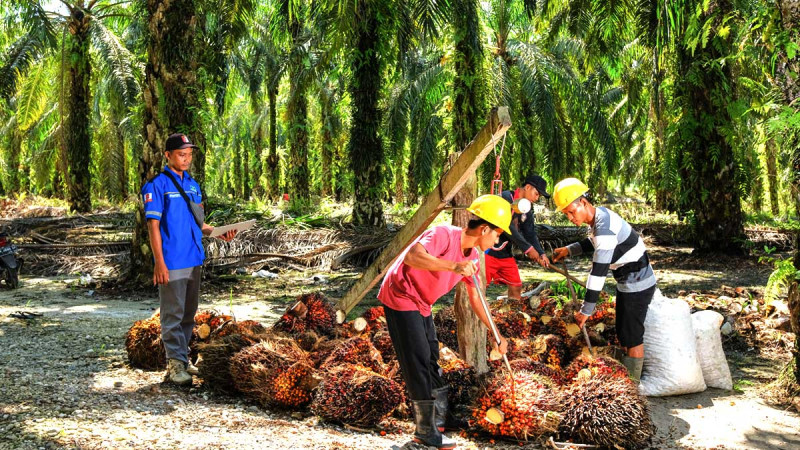
The official FFB prices are determined through the provincial pricing mechanism and serve as reference values for transactions between palm oil mills and participating growers. Actual prices received by smallholders may vary depending on local market conditions, quality specifications, transportation costs, and commercial agreements with individual mills. (T2)