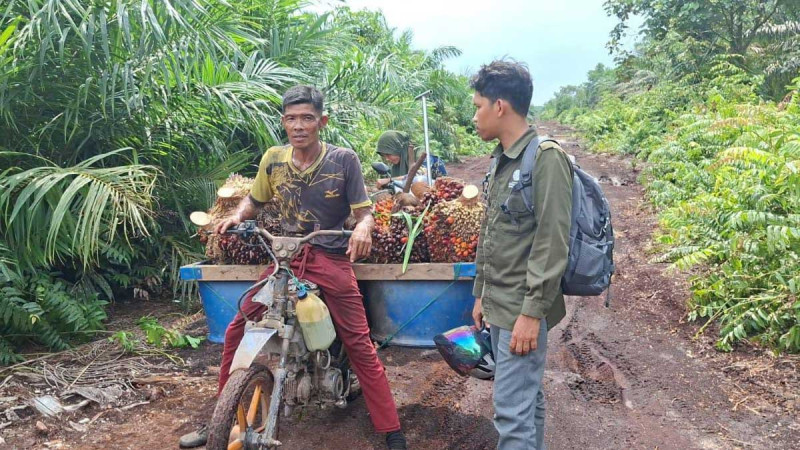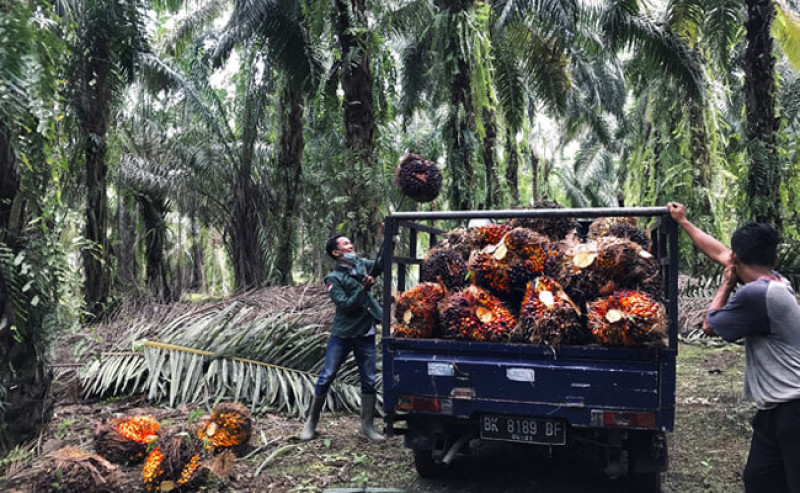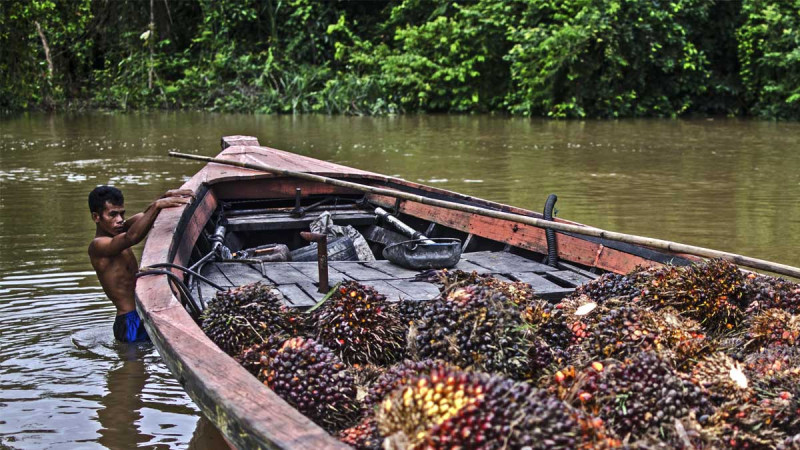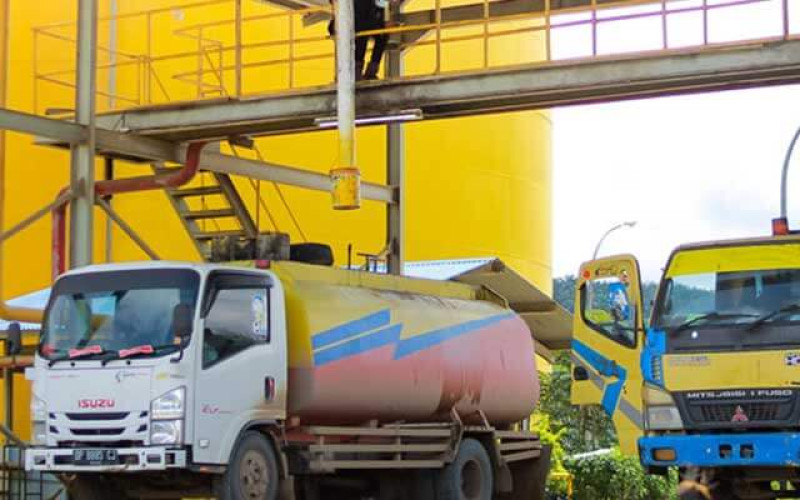
InfoSAWIT, JAKARTA – Indonesia’s Agriculture Minister Andi Amran Sulaiman has reaffirmed the government’s commitment to restoring Fresh Fruit Bunches (FFB) prices at the farm level, arguing that current market conditions provide strong justification for higher returns to oil palm smallholders.
Speaking during a national coordination meeting on palm oil FFB price stabilization, Amran said the recent decline in farmers’ FFB prices was inconsistent with favorable developments in the global palm oil market and the strengthening of the U.S. dollar against the Indonesian rupiah.
According to the minister, all stakeholders attending the meeting—including plantation companies, farmer associations, regional governments, and law enforcement agencies—shared the view that FFB prices should no longer decline and should instead recover to levels that reflect prevailing market realities.
“We agreed that FFB prices should return to previous levels and potentially move even higher. The appreciation of the U.S. dollar against the rupiah should create additional room for better prices at the farmer level,” Amran said.
The minister disclosed that the government has identified approximately 270 to 300 palm oil companies that have yet to adjust their purchasing prices in line with official benchmarks and current market conditions. The data will be reviewed further in cooperation with relevant authorities.
However, Amran emphasized that the verification process would be conducted carefully to ensure fairness and accuracy.
“We will review each company individually. We must first verify whether the reported data are accurate because some companies may have already adjusted their purchasing prices,” he explained.
Protecting Millions of Smallholders
Amran stressed that the government’s intervention is aimed at safeguarding the livelihoods of roughly 15 million Indonesians who depend on the palm oil sector.
He noted that improving global palm oil market conditions, combined with a stronger dollar, should translate into better income opportunities for farmers rather than being absorbed solely within the downstream supply chain.
“The benefits of market improvements must also be felt by farmers. They are an integral part of the palm oil industry and deserve fair returns,” he said.
The minister also pointed to the sector’s strong contribution to the national economy. Agricultural exports, including palm oil, generated significant foreign exchange earnings in the previous year, demonstrating the industry's strategic role in supporting economic growth.
Compliance with Provincial Pricing Mechanisms
Amran reiterated that palm oil companies are expected to follow official FFB pricing mechanisms established by provincial governments. Compliance with these benchmarks, he said, is essential to ensuring fair competition and protecting farmers from unjustified price reductions.
“FFB purchasing prices should follow the benchmarks determined by provincial authorities. When market conditions improve, farmers should receive their fair share of the benefits,” he emphasized.
According to reports received by the Ministry of Agriculture, around 70 percent of palm oil companies have already adjusted their purchasing prices. The government is now encouraging the remaining companies to implement similar adjustments to achieve more balanced pricing across Indonesia’s palm oil-producing regions.
Amran expressed optimism that stronger cooperation among government institutions, industry players, and farmer organizations would accelerate the recovery of FFB prices and improve smallholder welfare nationwide.
“At the end of the day, our success is measured by whether farmers are benefiting and enjoying better livelihoods,” he concluded. (T2)