InfoSAWIT, BOGOR – Indonesia's independent oil palm smallholders are increasingly demonstrating that sustainable palm oil production can go hand in hand with forest conservation and climate action, according to findings presented during a workshop organized by the Indonesian Sustainable Palm Oil Farmers Forum (FORTASBI).
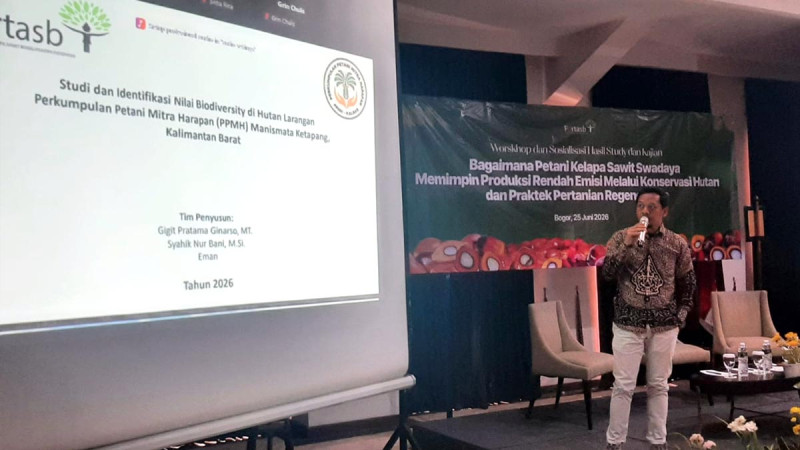
The workshop, attended by InfoSAWIT on Thursday (June 25), highlighted research examining how independent growers are leading low-emission palm oil production through regenerative agricultural practices and community-led forest conservation.
As an organization representing certified sustainable palm oil smallholders, FORTASBI has introduced conservation initiatives across several producing regions. Farmers in Jambi have restored riparian buffer zones, while growers in West Kalimantan continue protecting remaining forest patches surrounding their plantations. Similar regenerative farming practices focused on improving soil health have also been adopted in North Sumatra, Jambi, and Central Kalimantan.
Between September 2025 and May 2026, researchers collaborated with FORTASBI to assess the contribution of independent smallholders to carbon emission reduction through regenerative farming in North Sumatra, while a separate study evaluated biodiversity values and carbon stocks within community-managed conservation forests in Ketapang, West Kalimantan.
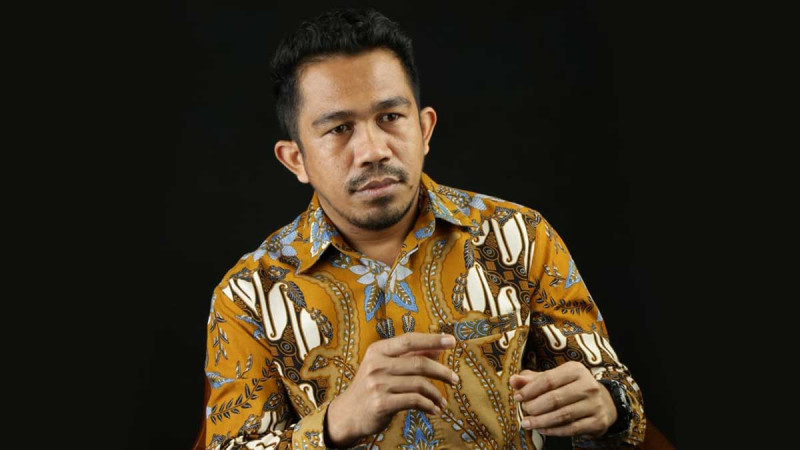
Presenting preliminary findings, biodiversity researcher Gigit Pratama Ginarso said three protected community forests in Manis Mata District continue to serve as critical biodiversity refuges despite being surrounded by smallholder oil palm plantations.
The protected forests—Brupis (48 hectares), Tamtam (21 hectares), and Air Dekakah (37 hectares)—support numerous wildlife species while providing important ecosystem services.
"These community forests function as conservation cores within the smallholder palm oil landscape. They play an essential role in protecting biodiversity, maintaining habitat connectivity, and supporting climate change mitigation," Gigit said.
Researchers identified several protected species, including the Sunda pangolin, sun bear, tarsier, and deer, along with protected plant species such as tropical pitcher plants, confirming the forests continue to function as important natural habitats.
Among the three sites, Brupis recorded the highest habitat quality, while Tamtam demonstrated the strongest ecological connectivity. Air Dekakah, meanwhile, showed higher levels of habitat fragmentation and was identified as a priority area for ecological restoration.
The study estimated that the three protected forests collectively store approximately 13,958 tonnes of carbon, equivalent to more than 51,000 tonnes of carbon dioxide, highlighting their significant contribution to climate mitigation.
Researchers also identified multiple High Conservation Value (HCV) categories within the landscape, reinforcing the ecological, cultural, and environmental importance of these community-managed forests.
Based on the findings, the research team recommended prioritizing more than 3,300 hectares for conservation, restoring approximately 929 hectares of degraded habitat corridors, and applying environmentally responsible plantation management across more than 8,400 hectares through sustainable palm cultivation and riparian protection.
Gigit emphasized that long-term conservation will depend on continued collaboration among local communities, government institutions, and industry stakeholders.
"Balancing conservation with local economic activities is essential to ensuring these protected forests remain intact while supporting the sustainability of Indonesia's independent oil palm sector," he said. (T3)