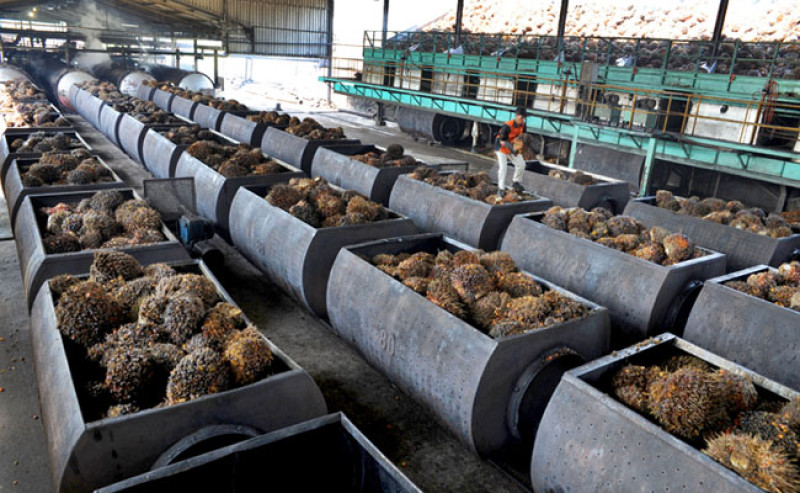
InfoSAWIT, JAKARTA – The growing number of palm oil mills operating without their own plantations is emerging as a new challenge for the sustainability of Indonesia's palm oil industry, with stakeholders warning that the trend could undermine supply chain transparency and traceability as international sustainability standards become increasingly stringent.
According to an article by Dr. Veritia, a researcher in Palm Oil Economics and Management at Pamulang University (Unpam) and Editor-in-Chief of Kabar SDGs, Indonesia's palm oil industry has developed as an integrated ecosystem linking plantations, plasma and independent smallholders, fresh fruit bunch (FFB) suppliers, palm oil mills, refineries, and exporters serving global markets.
With more than 1,200 palm oil mills and dozens of refineries operating across the country, the industry's supply chain has long relied on close integration between plantations and processing facilities. However, the emergence of mills without plantation assets has intensified competition for raw materials at the local level.
Competition for Raw Materials Intensifies
Dr. Veritia noted that increased competition for FFB supplies not only affects long-established partnerships between plantations and mills but may also disrupt long-term supply contracts that have supported industry stability.
In several oil palm-producing regions, the growing practice of trading loose fruits separately from harvested FFB has also become a concern. Loose fruits, once considered an inseparable component of harvested bunches, are increasingly being treated as standalone commodities within the supply chain.
According to the study, this development may contribute to broader social issues, including rising crop losses and increasingly organized theft of oil palm fruit.
Lower Oil Extraction Rates
Changes in raw material composition may also affect the operational performance of conventional palm oil mills. Many processors are reportedly receiving FFB deliveries containing fewer loose fruits, leading to lower oil extraction rates (OER) and reduced processing efficiency.
"This issue extends beyond business competition. It concerns the sustainability of Indonesia's palm oil ecosystem, which has been built on partnerships and a relatively well-organized trading system," Dr. Veritia wrote.
Traceability Becomes Increasingly Critical
The report also highlighted that global markets are moving toward stricter supply chain transparency requirements through certification schemes such as the Indonesian Sustainable Palm Oil (ISPO) standard, the Roundtable on Sustainable Palm Oil (RSPO), and the European Union Deforestation Regulation (EUDR), all of which require traceability of raw materials back to the plantation level.
As a result, industry stakeholders believe stronger oversight and better regulation of palm oil trading practices are needed to ensure all market participants operate under the same standards.
Such measures, the report concluded, would help Indonesia's palm oil industry maintain its credibility and competitiveness in international markets, where sustainability and traceability have become increasingly important purchasing requirements. (T2)