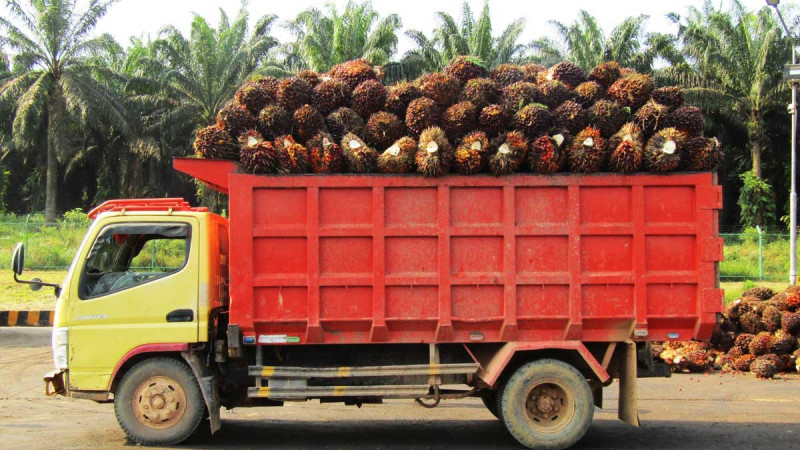
InfoSAWIT, JAKARTA – Global food trends are increasingly shifting toward healthier and more environmentally friendly consumption patterns. This transformation is driven not only by consumer preferences but also by growing concerns about the impact of food systems on climate change. In this context, innovation in food ingredients has become a key factor, including the sources of fats used by the food industry.
The livestock sector has long been recognized as one of the contributors to greenhouse gas emissions. Data from the Food and Agriculture Organization (FAO) shows that livestock activities account for around 14–18 percent of global greenhouse gas emissions, primarily from methane produced by animals and land use for feed production. This situation has encouraged stakeholders to explore alternative fat sources that are more environmentally efficient.
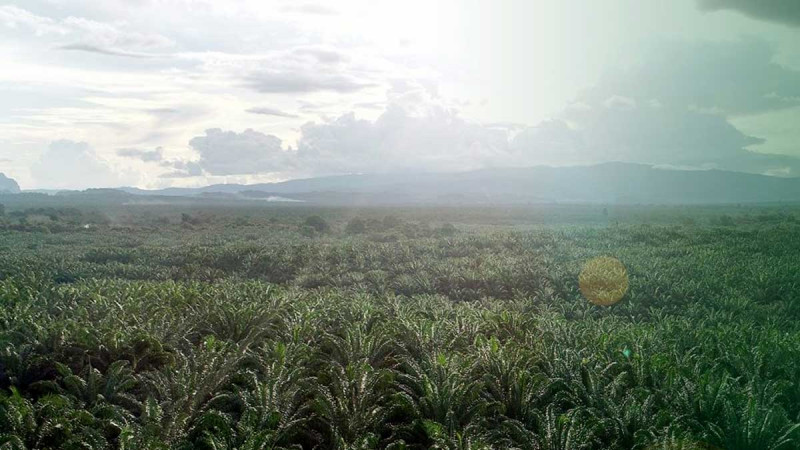
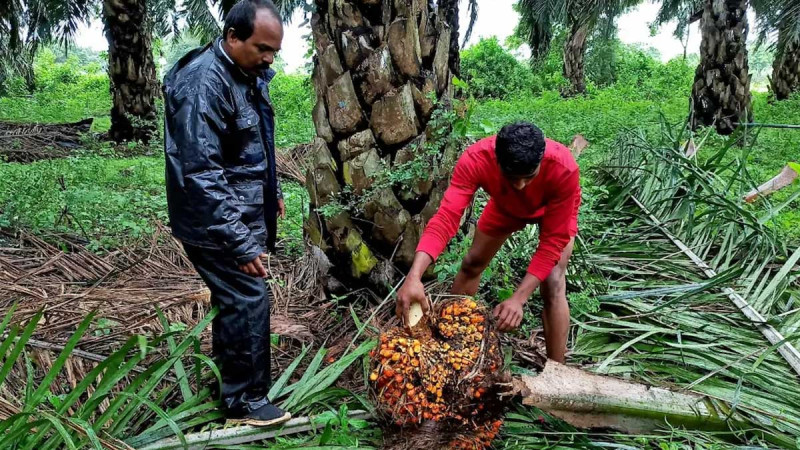
Amid this dynamic, palm oil is increasingly viewed as a strategic option in the reformulation of food fats. Oil palm has an average productivity of 3–4 tons of oil per hectare annually, significantly higher than soybeans, which produce only around 0.4–0.6 tons per hectare. This means palm oil can generate six to eight times more oil per unit of land compared to other vegetable oil crops.
This high productivity makes palm oil relatively more efficient in land use to meet the needs of the fat-based food industry. With less land required to produce the same volume of oil, pressure for agricultural land expansion could potentially be lower compared to lower-yield vegetable oils.
In the modern food industry, palm oil is increasingly used as an alternative to animal fats. Various products such as margarine, shortening, chocolate, and non-dairy cream rely on palm oil as a key ingredient in their formulations. In addition to its technical stability, palm oil is relatively economical, making it attractive for large-scale food manufacturers.
From a food technology perspective, palm oil possesses physicochemical characteristics that support its use as a substitute for animal fat. Its stable melting point makes it suitable for various bakery and confectionery applications. Through fractionation processes, palm oil can be separated into olein (liquid fraction) and stearin (solid fraction), which can then be formulated according to the desired texture and stability of food products.
Another advantage often highlighted is that palm oil does not require partial hydrogenation, unlike some other vegetable oils. This allows manufacturers to avoid the formation of trans fats, which have long been a major global public health concern.
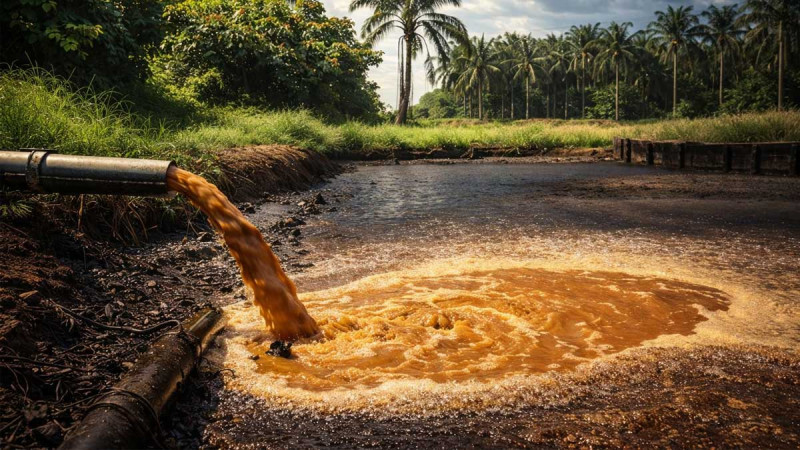
Nevertheless, the development of the palm oil industry still requires strong governance to ensure alignment with sustainability principles. Various certification standards have been implemented to promote responsible production practices. At the global level, the Roundtable on Sustainable Palm Oil (RSPO) operates, while in Indonesia the Indonesian Sustainable Palm Oil (ISPO) system has been implemented.
These certification schemes cover multiple aspects, including environmental protection, forest management, labor welfare, and supply chain transparency. With the implementation of such standards, palm oil production is expected to follow more measurable sustainability principles.
However, challenges remain in international markets. Negative campaigns related to deforestation often shape unfavorable public perceptions of palm oil. In addition, several trade policies and import regulations in certain countries place palm-based products under strict scrutiny.
In this situation, increased technological innovation, transparent environmental data, and science-based communication are crucial steps to strengthen palm oil’s position in global markets. Accurate and research-based information is expected to provide a more balanced understanding of the commodity’s contributions and challenges.
Ultimately, the use of palm oil as an alternative to animal fats demonstrates that food innovation can go hand in hand with sustainability efforts. Through scientific approaches, production efficiency, and the implementation of strict certification standards, palm oil has strong potential to contribute to building a more efficient, environmentally friendly, and competitive global food system. (*)
By: Alisia Nauyagir – Chemical Engineering Study Program, Faculty of Science and Technology, Indonesian Institute of Palm Oil Technology.
Disclaimer: This article reflects the personal opinion of the author and is entirely the author’s responsibility and is not related to InfoSAWIT.