InfoSAWIT, JAKARTA – 12 December 2025 — As scrutiny grows over environmental impacts from the palm oil industry, sustainable plantation governance is becoming increasingly urgent. IPB University Professor of Agribusiness Policy Bayu Krisnamurthi stressed that sustainability is a necessity—not a choice—to minimize long-term risks.
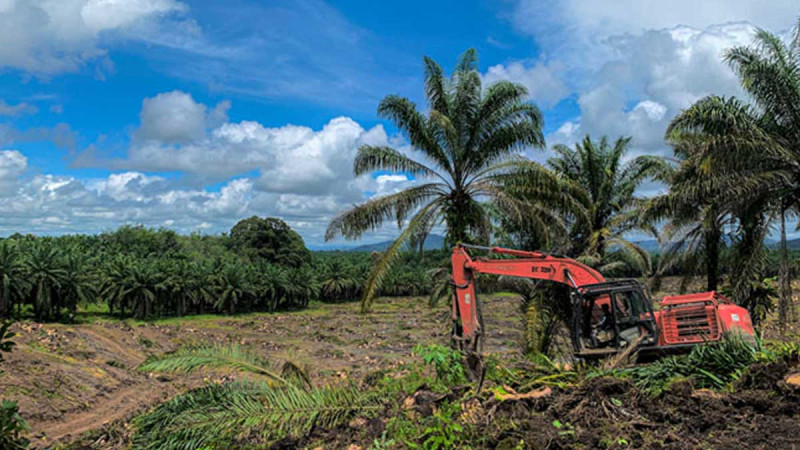
Bayu explained that the core issue in converting forests into oil palm plantations lies not in whether it is allowed, but how the land conversion and subsequent management are carried out.
“The key factor is the process, and how plantations are managed afterward so that benefits can be optimized while risks are minimized,” he said, as quoted by InfoSAWIT from Antara.
Oil Palm Is Not a Forest, but It Still Plays an Ecological Role
Bayu emphasized that while oil palm is not equivalent to natural tropical forests, it still provides ecological functions that should not be overlooked. Oil palm trees absorb carbon, store biomass, and can stand for decades, though their ecological capacity remains incomparable to multilayered, biodiverse tropical forests.
He urged a balanced perspective—acknowledging the crop’s strategic economic importance while respecting ecological boundaries.
A Pillar of Indonesia’s Economy
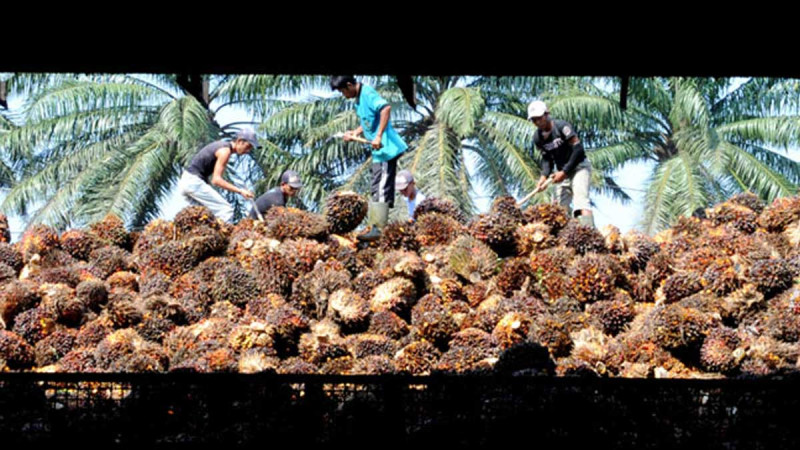
The professor highlighted the sector’s vast economic contribution: more than 16 million hectares of plantations, 16–20 million jobs, and over 50 million tons of annual CPO production, making Indonesia the world’s top producer and exporter.
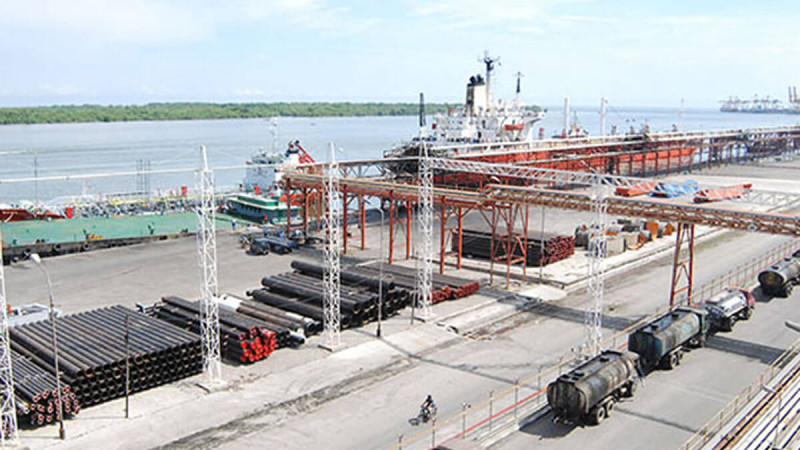
GAPKI data shows combined CPO and PKO output reaching 52.76 million tons in 2024, a 3.80% decline from 2023. Last year’s palm oil exports totaled US$27.76 billion, down 8.44% from 2023.
Bayu concluded that the key challenge is ensuring palm oil continues supporting economic growth without compromising the environment. Strong regulation, continuous oversight, and cautious land-use management are essential steps toward true sustainability. (T2)