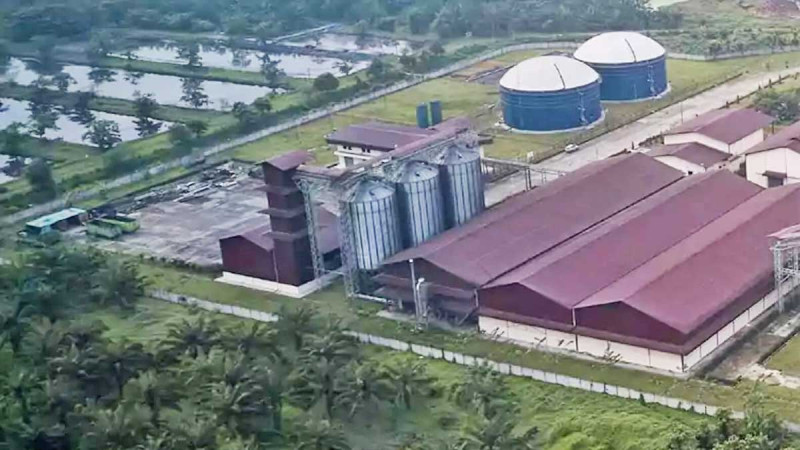
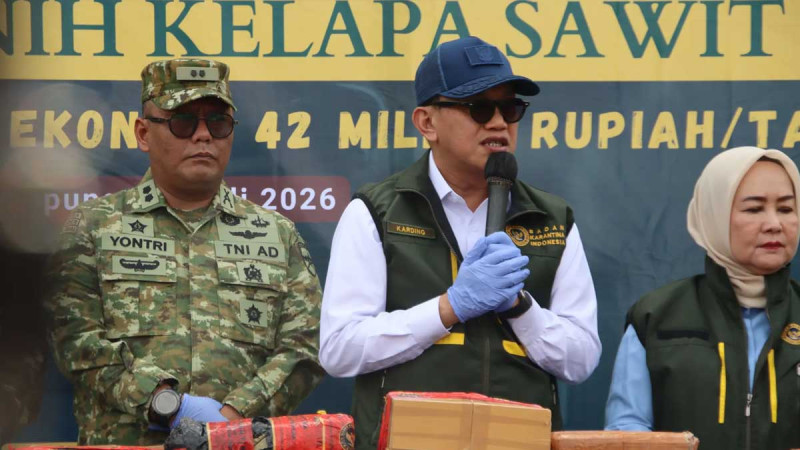
InfoSAWIT, PALEMBANG — The rising number of palm oil mills (PKS) operating without nucleus estates in South Sumatra has once again drawn attention to sustainability risks in the region’s palm oil sector. South Sumatra Police Chief, Insp. Gen. Andi Rian R. Djajadi, revealed that 31 mills currently operate without having their own plantations as stable supply sources.
These mills are spread across several districts: six each in Banyuasin and Muara Enim; five each in Musi Rawas and Musi Banyuasin; three in Ogan Komering Ilir; two in North Musi Rawas; and one each in OKU Timur, Empat Lawang, Ogan Ilir, and OKU.
“Legally, they do hold permits. But the problem is, they do not have guaranteed supply backed by plantation ownership,” Andi Rian said during a coordination meeting on managing disruptions in the palm oil sector last Tuesday.
Unfair Competition and Illegal FFB Risks
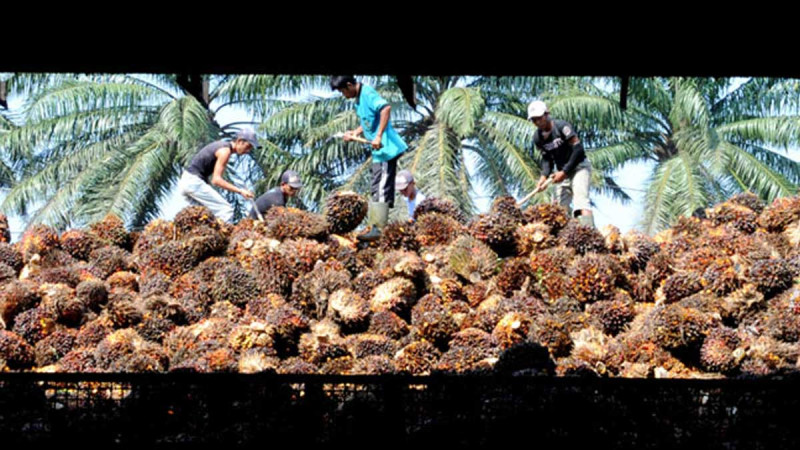
The existence of mills without nucleus estates has triggered unhealthy competition for fresh fruit bunches (FFB), the main raw material for crude palm oil (CPO). This condition also fuels illegal practices.
“Mills without secure supply chains often end up becoming part of alternative oil channels or illegal ram mills, which are known hotspots for stolen FFB transactions,” he said, as quoted by InfoSAWIT from Bisnis.com on Thursday (11/12/2025).
Based on output trends in South Sumatra, Andi estimated that oil flows from ram mills could reach 40,000 tons per day — a figure that highlights the scale of off-grid FFB circulation.
He also noted a surge in FFB theft cases. Throughout 2025, police recorded 373 cases, with Musi Banyuasin (133 cases) and Musi Rawas (113 cases) topping the list.
“Of all cases, 262 have been solved with 456 suspects identified,” he added.
South Sumatra Governor Herman Deru acknowledged that rampant FFB theft can disrupt the investment climate in the plantation sector.
“Of course, investors may worry their fruit will be stolen. But the question is: why? Are thieves trying to get rich, or is it simply about survival?” he said.
Deru stressed that the issue — whether directly or indirectly linked to non-nucleus mills — must be studied comprehensively to understand whether it stems from lax supervision, economic pressure, or community behaviour.
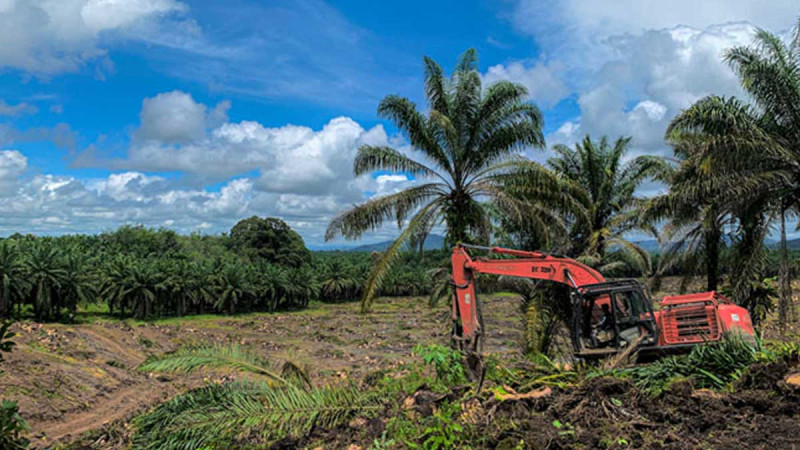
South Sumatra has 1,043,489 hectares of plantations, with 997,559 hectares under oil palm. A total of 277 plantation companies operate in the province, mostly concentrated in Banyuasin (67 companies), Musi Banyuasin (60), and OKI (51). (T2)