InfoSAWIT, JAKARTA — The government’s plan to raise the biodiesel blend to 50% (B50) has become a major topic in the palm oil industry. The policy is considered ambitious, as half of Indonesia’s diesel fuel needs would be supplied from palm oil.
In theory, the move could strengthen domestic absorption and lift crude palm oil (CPO) prices. But behind the optimism, concerns are growing over whether national palm oil productivity can support such a burden.
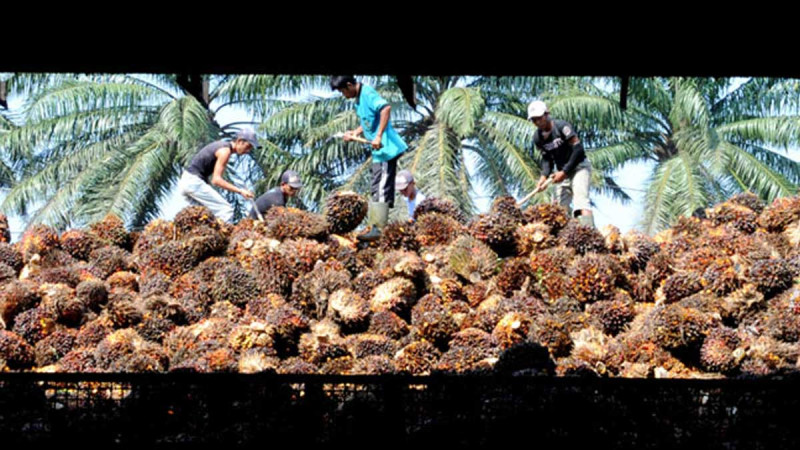
Experts warn that implementing B50 is not merely a technical adjustment — it is a major shift that could disrupt the entire supply chain from upstream to downstream. In 2024, biodiesel absorbed around 12 million tons of CPO; with B50, this could jump to 18–19 million tons. This means most palm oil production would be consumed domestically, potentially reducing export volumes and impacting farmers if productivity fails to improve.
Productivity remains the classic problem. National yields still average around 3.5 tons of CPO per hectare annually, although the potential reaches 5–6 tons. A shift to even 5 tons would significantly alter national supply. Yet many obstacles persist: studies in South Sumatra show around 45% of smallholder plantations use fake seeds, and in Riau the figure reaches 70%. Without proper seed quality — the foundation of productivity — achieving optimal yields is nearly impossible, especially with threats such as ganoderma disease.
In response, GAPKI, research institutions, the Directorate General of Plantations, BPDP, and the Agricultural Quarantine Agency are strengthening seed oversight and developing new varieties resistant to disease and extreme climate patterns. Since 2016, Indonesia has resumed introducing germplasm from various tropical countries — an effort discussed further in this edition’s FOKUS section.
Economists from the Institute for Development of Economics and Finance (INDEF) caution that B50 must be accompanied by a comprehensive assessment of earlier biodiesel policies. Today’s market conditions differ significantly from when the biodiesel program was launched: global crude oil prices are trending lower, while CPO prices remain relatively stable.
This heightens fiscal risks, as biodiesel incentives may need to increase. A thorough evaluation will determine the future direction of Indonesia’s green energy policies. Details on this issue are explored further in the TEROPONG section. (T2)
Read InfoSAWIT November 2025 Edition