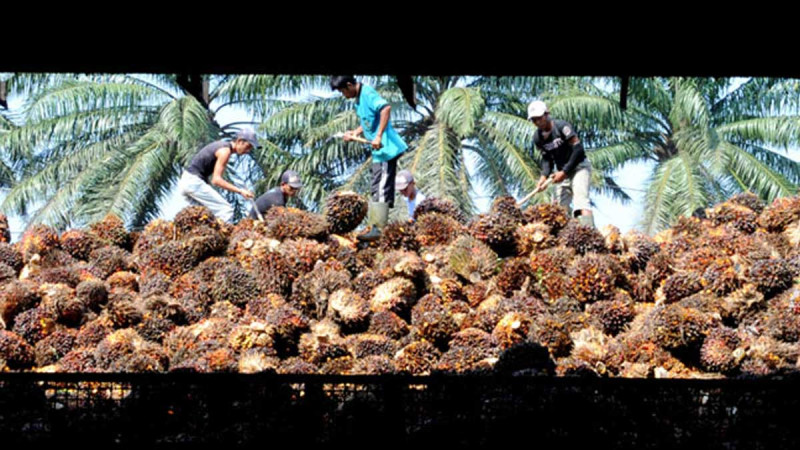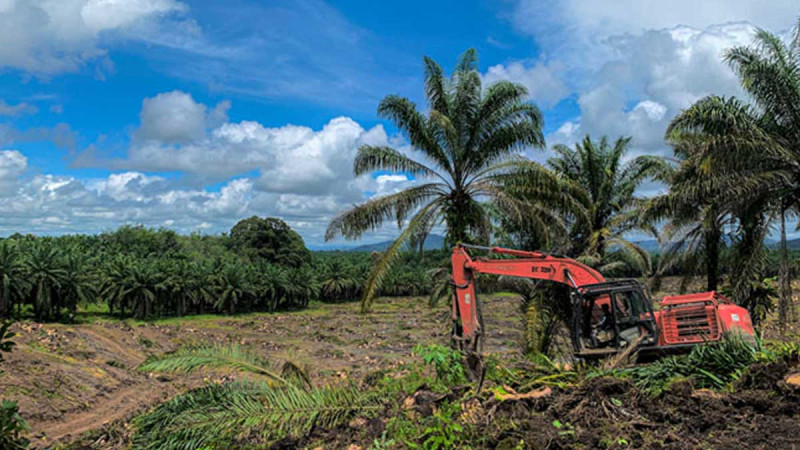
InfoSAWIT, NUSA DUA — Palm oil continues to reaffirm its role as one of Indonesia’s core economic pillars. Amid global uncertainty, the commodity remains a major stabilizer of the national trade balance, contributing a surplus of US$4.34 billion in September 2025.
From January to September 2025, Indonesia’s palm oil export volume reached 28.66 million tons, an increase of 11.26% compared to the same period last year. Meanwhile, the average prices of crude palm oil (CPO) and fresh fruit bunches (FFB) have remained above Rp3,000 per kilogram, generating positive impacts for businesses and millions of smallholder farmers across the country.
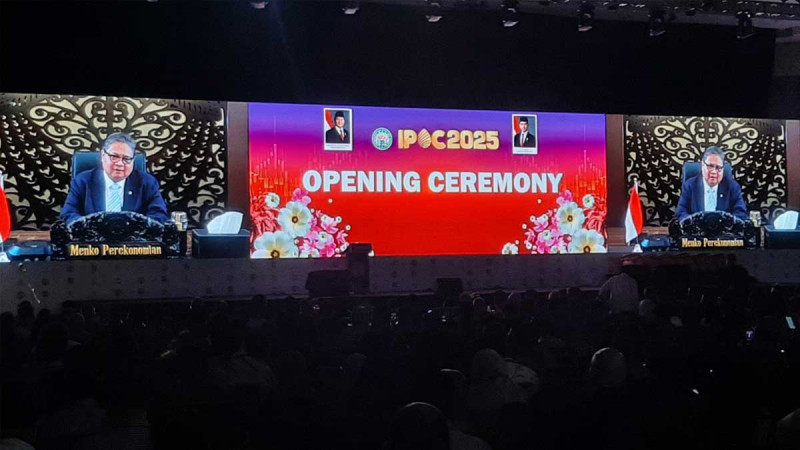
“Palm oil will continue to play a key role as a source of revenue, energy, innovation, and national strength,” said Coordinating Minister for Economic Affairs Airlangga Hartarto in a virtual address at The 21st Indonesian Palm Oil Conference (IPOC) 2025 and 2026 Price Outlook, themed “Navigating Complexity, Driving Growth: Governance, Biofuel Policy, and Global Trade”, attended by InfoSAWIT in Nusa Dua, Bali, Thursday (13/11).
Airlangga emphasized that Indonesia must not remain a mere exporter of raw materials. Through downstreaming strategies, the government aims to increase the value-added of the palm oil industry, create new jobs, and reinforce the foundation of national economic resilience.
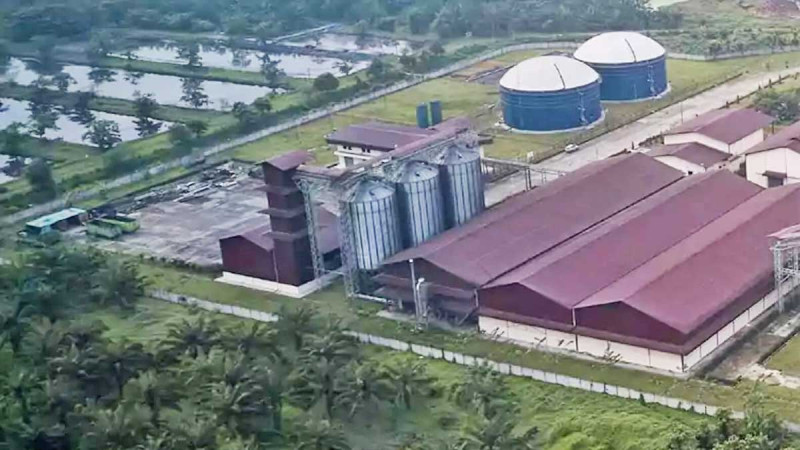
Palm oil downstreaming is now being directed to support the transition toward clean energy. Indonesia is recorded as one of the countries with the largest biodiesel mandatory programs in the world.
In 2024, the implementation of the B40 Program successfully saved more than 15.6 million kiloliters of fossil fuel imports and reduced greenhouse gas emissions by 41.46 million tons of CO₂ equivalent.
“We are also preparing the next phase — the use of Sustainable Aviation Fuel (SAF) derived from palm oil,” Airlangga revealed.
He cited the collaboration between PT Pindad and the Palm Oil Fund Management Agency (BPDP) in developing defense industry production facilities as a concrete example of utilizing local resources, including palm-based materials, to support national energy self-sufficiency.
The government is also committed to maintaining the competitiveness and sustainability of the palm oil industry through the issuance of Presidential Regulation No. 16/2025, which strengthens the Indonesian Sustainable Palm Oil (ISPO) certification system.
The regulation reinforces that Indonesian palm oil products comply with global environmental and governance standards.
“We are also preparing the ISPO Information System, which will connect plantation, certification, and trade data. This system will enhance transparency and enable real-time product tracing,” Airlangga explained.
Concluding his remarks, Airlangga expressed appreciation to all organizers and stakeholders involved in IPOC 2025.
“It is this collective effort across the industry that will ensure Indonesian palm oil continues to grow, remain competitive, and become the energy of the world’s future,” he said. (T2)