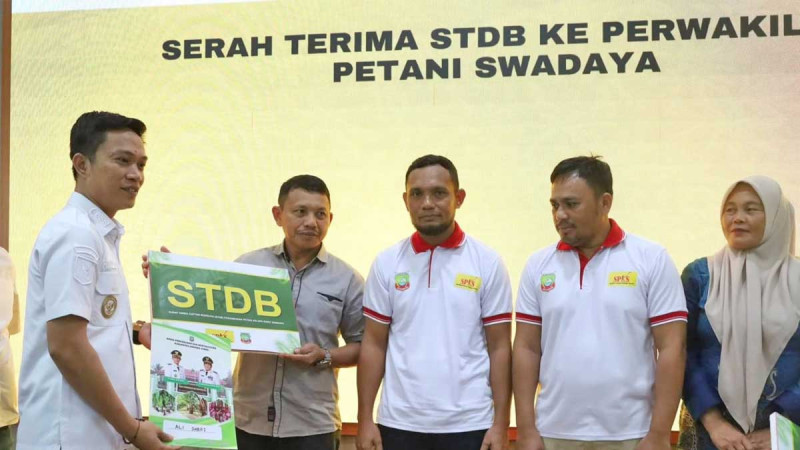
InfoSAWIT, KUALA LUMPUR — Independent oil palm smallholders continue to play a vital role in strengthening the performance of sustainable palm oil. Their success in obtaining Roundtable on Sustainable Palm Oil (RSPO) certification proves that the commitment to environmentally friendly practices no longer comes solely from large corporations but also from independent smallholders.
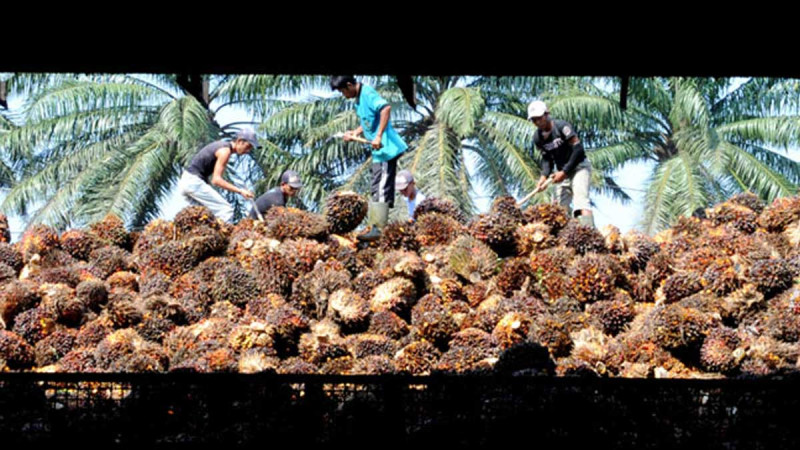
RSPO’s efforts to promote sustainable cultivation and harvesting of fresh fruit bunches (FFB) have successfully attracted smallholders to participate in the certification system. Collaborative approaches — from technical assistance to sustainable farming training — have been key factors behind this success.
Guntur Cahyo Prabowo, RSPO’s Global Smallholder Unit Head, emphasized that smallholders play a significant role in the sustainability of the palm oil industry, especially in Indonesia. “Independent smallholders in Indonesia have made a major contribution to the success of sustainable palm oil,” he told InfoSAWIT during the RSPO Annual Roundtable Conference on Sustainable Palm Oil (RT2025) held in Kuala Lumpur in early November 2025.
According to Guntur, the achievements of smallholders not only have a positive impact on the production of sustainable palm oil but also serve as inspiration for other producing countries. “The role of independent smallholders in Indonesia can serve as an example for farmers elsewhere to adopt similar practices,” he added.
However, Guntur noted that continued support from multiple stakeholders remains essential to ensure that smallholders’ hard work continues to grow. The involvement of manufacturers and retailers — particularly in purchasing certified palm oil — is a key element in maintaining supply chain sustainability.
“The growth in sustainable palm oil production among smallholders must be matched with increased purchasing commitments from manufacturers and retailers,” he explained.
Despite positive trends, challenges remain. Without firm purchasing commitments from downstream industries, smallholders will find it difficult to maintain certification over the long term.
Therefore, RSPO continues to encourage stronger cross-sectoral collaboration — not only through policy but through tangible market action. Support from manufacturers and retailers is expected to create a positive ripple effect, ensuring that sustainably produced palm oil from smallholders secures its place in the global market.
With more independent smallholders becoming certified, the hope for a truly sustainable transformation of the palm oil industry grows stronger. Moving forward, collaboration between farmers, industry players, and buyers will be key to ensuring that sustainability becomes more than a slogan — but a foundation for the future of the global palm oil sector. (T2)