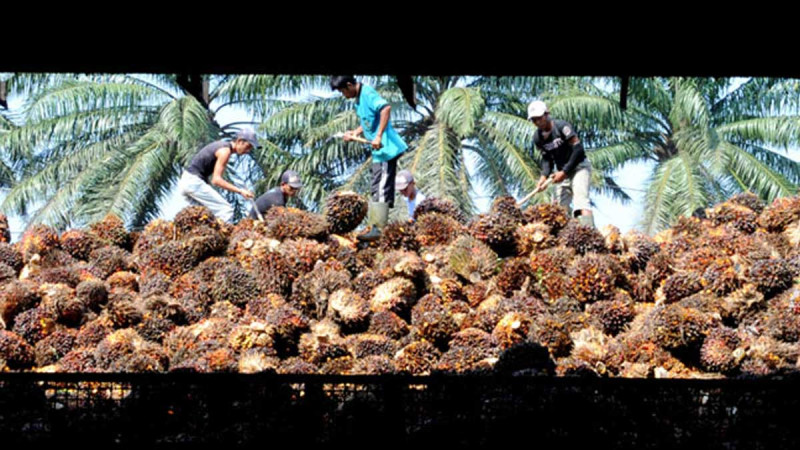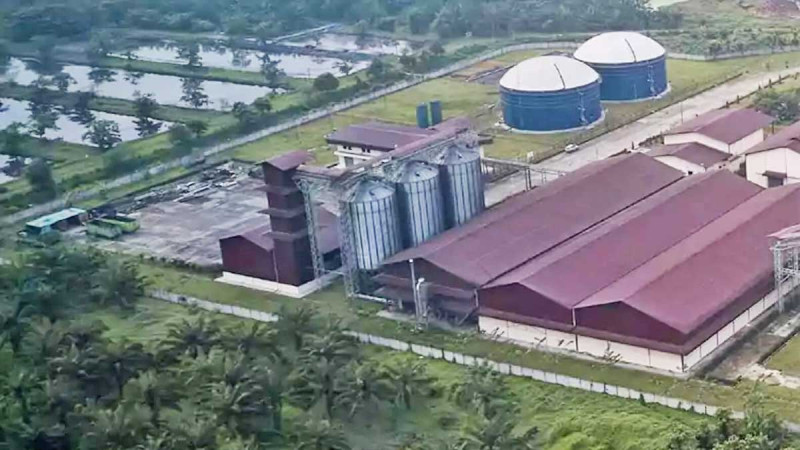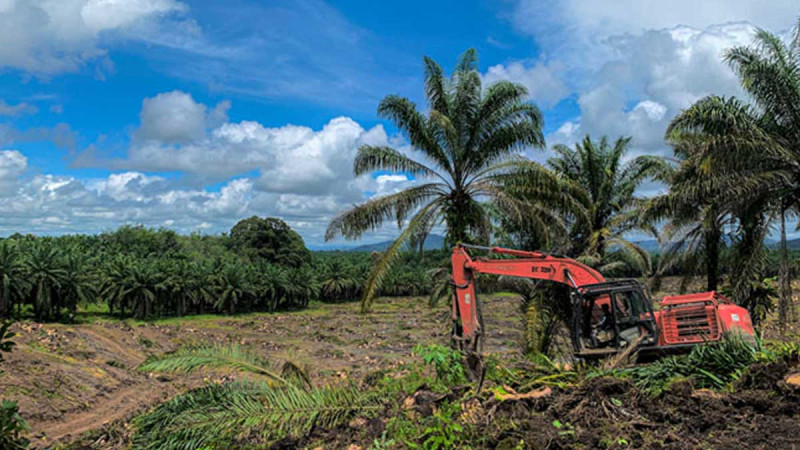
InfoSAWIT, KAPUAS HULU — Amid the allure of the “Heart of Borneo” nature, palm oil farmers in Kapuas Hulu, West Kalimantan, are striving to balance welfare and environmental preservation. In an area where more than half is protected forest, planting palm oil is not just an economic matter, but also about the sustainability of life and ecology. Seeing these challenges, the Indonesian Palm Oil Entrepreneurs Association (GAPKI) is providing real support.
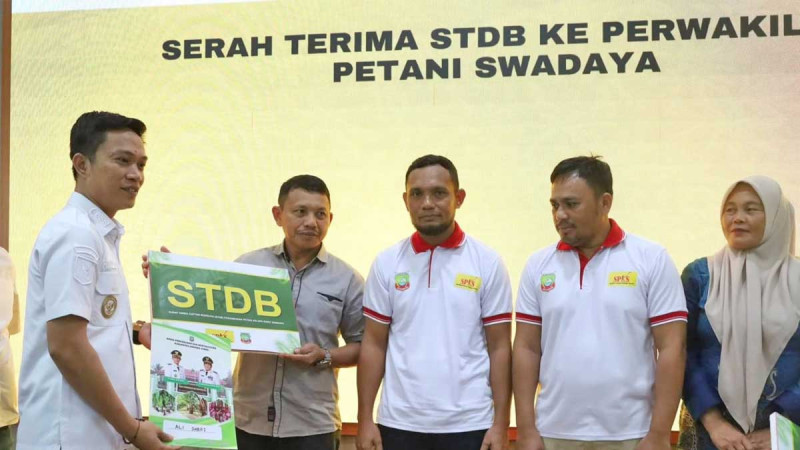
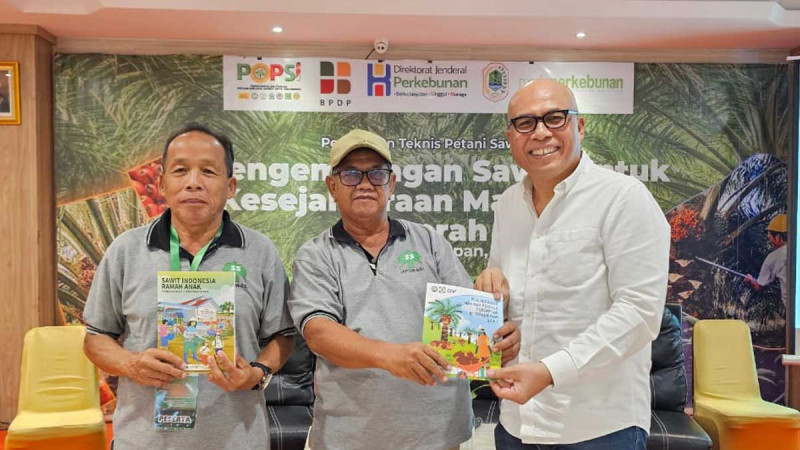
In the Technical Meeting of Palm Oil Farmers held on October 30, 2025, in Putussibau, GAPKI urged the importance of multi-stakeholder collaboration to build a sustainable palm oil sector. The event was titled “Palm Oil Development for Community Welfare in 3T Areas” and initiated by the Indonesian Prosperous Palm Oil Farmers Forum (POPSI) with full support from the Chairman of the Kapuas Hulu DPRD, Yanto SP.
“Palm oil farmers are the spearhead of sustainability. They not only need superior seeds, but also protection, social security, and knowledge about decent work practices,” said Sumarjono Saragih, Chairman of GAPKI's Human Resources Development Division and Co-Presidency of JAGA SAWITAN, in an official statement received by InfoSAWIT, Monday (3/11/2025).
The JAGA SAWITAN initiative—short for Sustainable Palm Oil Labor Network—is a model of collaboration between GAPKI and the JAPBUSI labor union. Through this dialogue platform, various labor issues in the palm oil sector are openly discussed to find joint solutions. GAPKI assesses that a similar approach can be applied in Kapuas Hulu, which has high complexity between conservation and community welfare. “Multi-stakeholder dialogue needs to be institutionalized to have continuity and follow-up. If at the national level there is JAGA SAWITAN, in Kapuas Hulu ISAKU—Kapuas Hulu Sustainable Palm Oil Initiative—can be built,” added Sumarjono.
ISAKU, which when pronounced sounds like “my village”, is expected to be a forum for cooperation between farmers, local government, NGOs, and business actors in overseeing sustainable palm oil practices. This idea aligns with the vision of the Prabowo–Gibran government, which places village development as one of the national priorities (Asta Cita). The event in Putussibau, attended by more than 150 farmers, showed great enthusiasm for the future of sustainable palm oil.
The Regent of Kapuas Hulu, Fransiskus Diaan, opened the event and emphasized the importance of protecting farmers from the rampant circulation of fake seeds in the market. With support from GAPKI, POPSI, and various parties, Kapuas Hulu now has the opportunity to build a palm oil model that aligns between people's economy and forest conservation. Palm oil is not just a commodity, but a symbol of hope to uplift the welfare of border communities while preserving the “lungs” of Kalimantan. (T2)