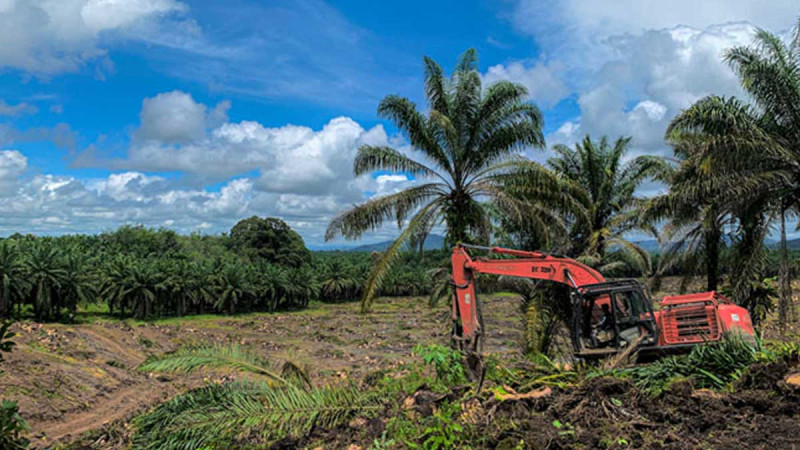
InfoSAWIT, JAKARTA — The face of tourism and agribusiness development in Indonesia is increasingly losing its identity. From Sabang to Merauke, more and more forest, coastal, and rural areas are turning into rows of luxury hotels and monoculture plantations. Yet behind the glamour of development lies concern over the loss of biodiversity and social justice. Member of Commission VII of the Indonesian House of Representatives, Novita Hardini, assesses that the current direction of development is moving away from the spirit of sustainability. According to her, many government policies only pursue economic growth without considering ecological balance. “Our tourism lately has become homogeneous, all competing with five-star restaurants and hotels. But our culture and biodiversity are forgotten as a momentum for strengthening,” said Novita in her statement written by InfoSAWIT, Sunday (November 2, 2025), in Jakarta.
Loss of Natural and Cultural Identity Indonesia is known as one of the countries with the greatest biodiversity in the world. However, in development practices, this natural and cultural wealth is often only used as a promotional backdrop, not the main foundation. “Yet the appeal of our tourism lies precisely in the authenticity of nature and local culture. If everything is made uniform like a big city version of Bali, then what is lost is not only uniqueness, but also the heart of the local community's life,” explained Novita. She highlighted large-scale tourism projects that often sacrifice forests, coasts, and customary lands. This “tourism homogenization” phenomenon, according to her, has caused local communities to lose living space while narrowing the habitat of wild animals. “We cannot build by cutting down forests or repurposing conservation areas just for new tourist destinations. That's not progress, that's erasure of identity,” she said.
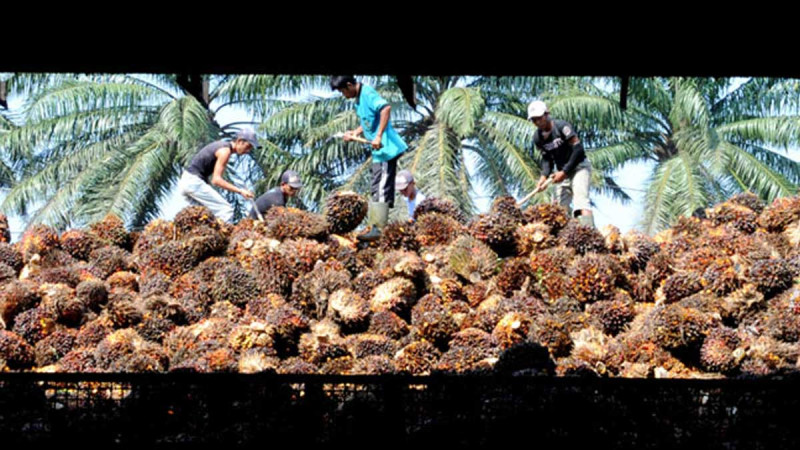
Real Ecological Impacts The most obvious example is seen in Sumatra and Kalimantan. The opening of peatlands for palm oil plantations and the pulp industry has caused major damage to the natural habitats of elephants, tigers, and orangutans. In Bengkulu, thousands of hectares of forest that were home to the Sumatran elephant population have now turned into palm plantations. In Kalimantan, plantation expansion continues to pressure orangutan populations, while in Riau and Jambi, human-wildlife conflicts are increasing due to the loss of forests as ecological buffers. “If this is left unchecked, our dream of becoming a mega-biodiversity country and a world-class ecotourism destination will be destroyed. The international world will doubt our commitment,” she emphasized. Besides threatening wildlife, deforestation also accelerates climate change. Cut trees mean less oxygen and rising global temperatures. “This is not just about wildlife, but the future of humanity. If oxygen thins and temperatures rise, all sectors—including tourism—will be affected,” she added.
Marginalized Social Justice For Novita, development that ignores the environment ultimately also sidelines small communities. Many indigenous communities and forest farmers lose their livelihoods because their lands are taken for large projects or plantations. “They are not anti-investment. But they need a fair development model that involves the community, not evicts them,” she said. The politician from Trenggalek assesses that Indonesia needs a new paradigm. Not just building infrastructure, but building awareness that nature is an economic asset that must be preserved. “If we continue to build without an ecological direction, we are only digging a hole for the future. What we need now is not more hotels, but more living forests,” she concluded. (T2)