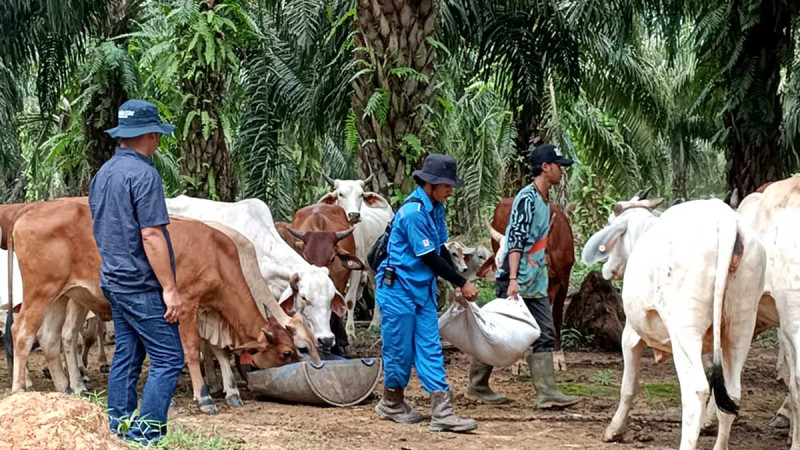
InfoSAWIT, BOGOR — The Ministry of Agriculture (Kementan) continues to promote synergy between the plantation and livestock subsectors through the Palm-Cattle Integration System (SISKA) Program. This step is an important part of the government's major strategy towards national food self-sufficiency, especially in meeting beef needs.
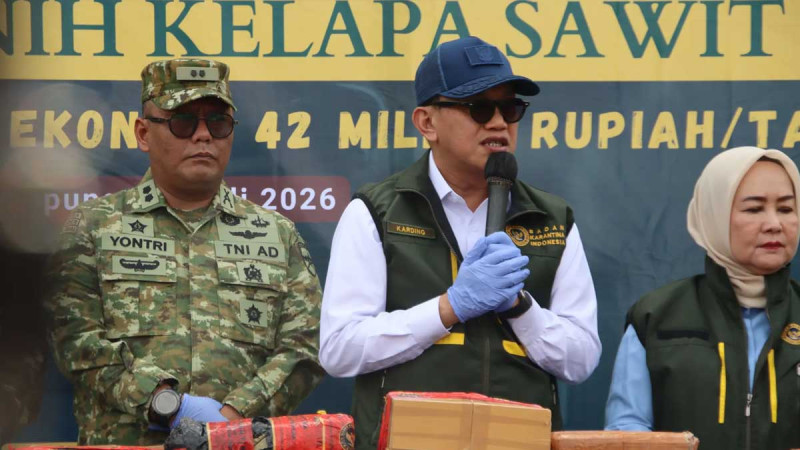
This commitment was affirmed in the Forum Group Discussion (FGD) on Accelerating SISKA as a Pillar of Food Resilience Towards Beef Self-Sufficiency and Sustainable Palm Industry held in Bogor, last Monday.
Director General of Livestock and Animal Health, Agung Suganda, stated that SISKA is not a new program, but a strategic initiative that now needs accelerated implementation. He considers the current momentum very appropriate as President Prabowo Subianto is pushing for accelerated food self-sufficiency in various commodities.
“This program has been running for a long time, just not optimal. Now is the time for acceleration. We are already self-sufficient in rice and corn, also surplus in poultry. It's time to focus on beef self-sufficiency,” said Agung as quoted by InfoSAWIT in an official statement written Thursday (30/10/2025).
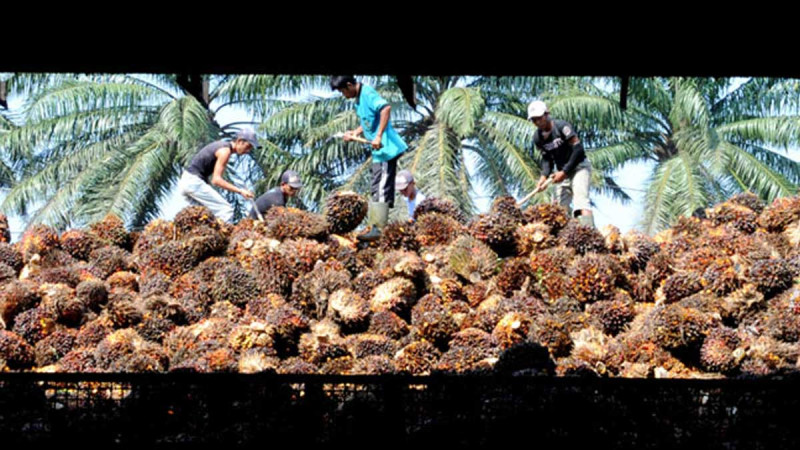
According to Agung, palm-cattle integration offers an efficient strategic solution. With a palm area reaching 16.8 million hectares, this subsector has great potential as a source of feed and livestock development space. Through the integration model, cattle population can be increased while reducing waste, improving land productivity, and increasing the welfare of communities around plantations.
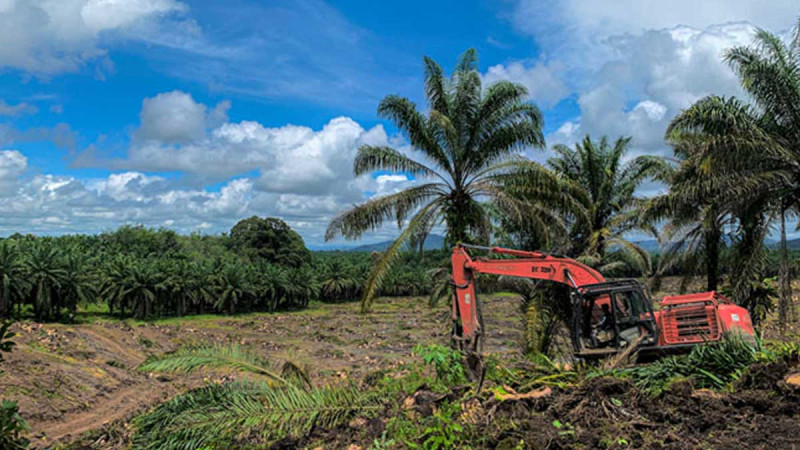
Kementan, he continued, has identified about 1.5 million hectares of potential land that can be developed for cattle. However, this effort requires cross-sector support and strong regulatory umbrella for effective implementation.
“Palm-cattle integration is a national strategy towards food resilience. With synergy between these two subsectors, we not only increase cattle population, but also build an efficient, environmentally friendly, and sustainable business system,” explained Agung.
Meanwhile, Acting Director General of Plantations, Abdul Roni Angkat, emphasized his commitment to fully collaborate with the Directorate General of Livestock and Animal Health. He stated that the SISKA program is an important part of the “independent protein” vision, as the plantation sector has contributed to energy independence through biodiesel.
“We will soon issue a circular to all stakeholders in the plantation sector to integrate palm and cattle in real terms in land optimization,” said Abdul Roni.
From the research and innovation side, representative of the National Research and Innovation Agency (BRIN), Windu Negara, emphasized that the palm-cattle integration program is not just a sectoral agenda, but a national interest.
“This is not a partial program. All parties — government, associations, and business actors — must see it as a shared responsibility to meet food needs, especially animal protein sources for the community,” said Windu.
Through this FGD, Kementan hopes that cross-agency coordination, associations, and business actors can become more solid. This effort is expected to accelerate the preparation of supporting regulations, expand partnerships between palm companies and breeders, and ensure technical aspects such as soil health and disease control are well managed.
With this strategy, the government is optimistic that palm-cattle integration will become an important engine in strengthening national food resilience towards Golden Indonesia 2045. (T2)