InfoSAWIT, JAKARTA – Global demand for palm oil still shows high dependency despite a decline in import volume in 2024. Based on data from World’s Top Exports – Palm Oil Imports by Country (2024) cited by InfoSAWIT, Wednesday (29/10/2025), the total global palm oil expenditure reached US$42.3 billion throughout 2024.
This figure marks a 24.8% increase compared to 2020, when global import value was recorded at US$33.8 billion. However, on a year-on-year basis, the import value decreased by 10.6% compared to 2023, which reached US$47.3 billion.
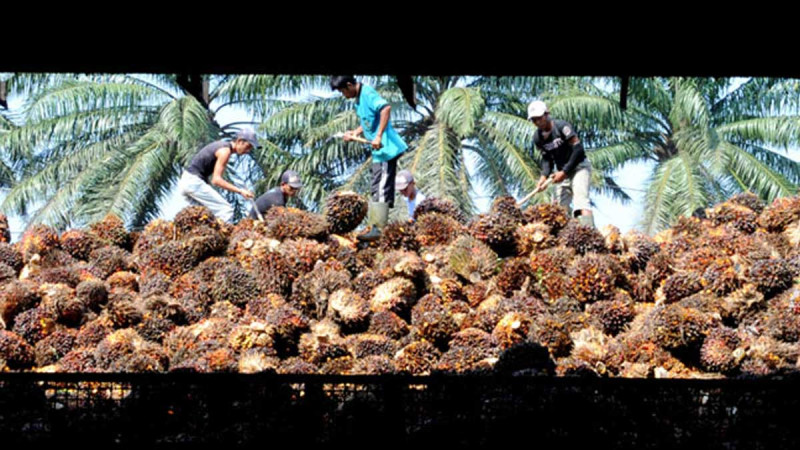
Palm oil — a vegetable oil derived from the flesh of palm fruit — is a primary ingredient for cooking oil, margarine, biodiesel feedstock, and various processed food products.
India Still Leads the Market
India remains the world's largest palm oil importer, with total purchases reaching US$8.7 billion, or about 20.5% of total global imports.
In the following positions are mainland China with US$3.4 billion, Pakistan at US$2.9 billion, followed by the United States at US$1.9 billion, and the Netherlands at US$1.5 billion.
These five countries collectively absorbed 43.4% of total global palm oil imports in 2024.
From a regional perspective, Asia remains the largest palm oil market in the world. Countries in this region recorded import values of US$24.3 billion or about 57.6% of the global total.
Next in line is Europe (18.6%), Africa (14.2%), then North America (6.3%), Latin America (2.9%), and Oceania (0.4%).
Countries with Highest and Lowest Import Performance
Besides India, several other countries also showed significant import values such as Bangladesh (US$1.3 billion), Italy (US$1.16 billion), Egypt (US$1.14 billion), the Philippines (US$1 billion), and Vietnam (US$992.9 million).
Interestingly, some countries experienced a surge in import growth compared to the previous year.
The three countries with the highest growth are the Philippines, up 17.6%; Saudi Arabia, up 14.6%; Kenya, up 7.9%.
Meanwhile, the largest import declines occurred in mainland China, down -33.7%; Italy, down -22.5%; Egypt, down -12.7%; Turkey, down -7.7%.
Surge in Imports from Non-Traditional Countries
From the 100 main palm oil importing countries, several new markets showed very rapid growth.
Countries such as Peru (up 219.3%), Papua New Guinea (190.8%), Tanzania (147.2%), Honduras (104.2%), and Nigeria (88.2%) are noteworthy as potential new markets outside the traditional Asian palm trade routes.
For trade and research purposes, palm oil is categorized under the Harmonized Tariff System (HS) code 1511, which includes crude palm oil and its processed products, whether refined or not. (T2)