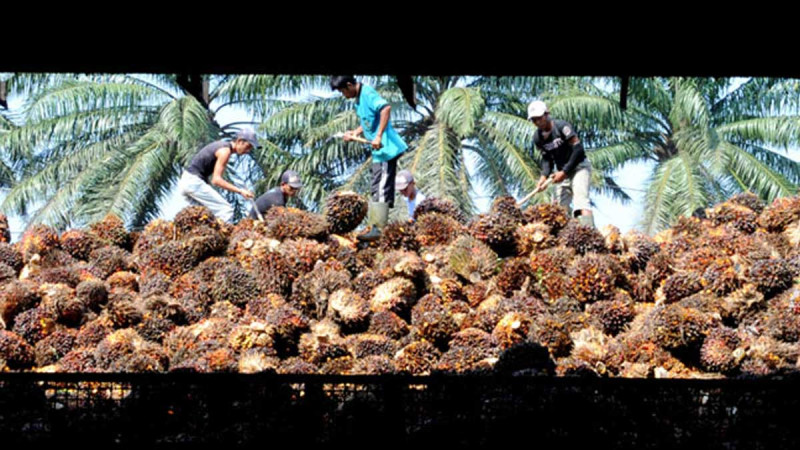
InfoSAWIT, JAKARTA — The national palm oil industry recorded positive performance throughout 2025. Secretary General of the Indonesian Palm Oil Entrepreneurs Association (GAPKI), Hadi Soegeng, revealed that palm oil production up to August 2025 reached 39.04 million tons, or grew 13.1% compared to the same period in 2024.
According to Hadi, this production surge is inseparable from the relatively supportive weather conditions since 2024 to 2025. “Climate factors play a major role in increasing harvest yields, so the outlook for palm oil production this year is expected to grow at least 10%,” he said in a GAPKI press conference attended by InfoSAWIT, on Tuesday (October 28, 2025), in Jakarta.
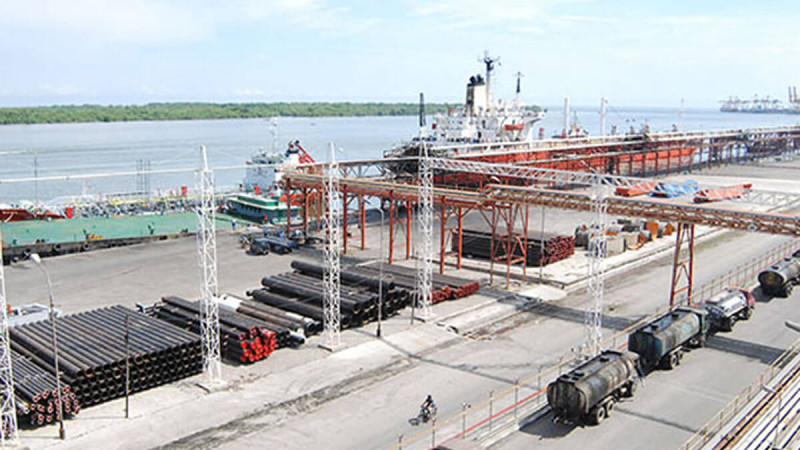
From the trade side, Indonesia's palm oil exports also showed a positive trend. GAPKI data recorded year-on-year (YoY) exports per August 2025 up 15.3% compared to 2024. This increase was driven by increased production volume, as well as changes in global vegetable oil prices that made palm competitive again.
“Last year, CPO prices were higher than other vegetable oils, so some consumers switched. However, in 2025, the price difference or CPO premium against other vegetable oils has decreased since January and even became negative in April to June,” explained Hadi.
Nevertheless, he emphasized that the sustainability of the palm oil industry is not only determined by selling prices in the global market, but also by production cost efficiency. “Efforts to increase productivity and reduce costs must be a continuous focus for all industry players,” he stressed.
To address these challenges, GAPKI continues to encourage efficiency improvement through various innovations. The steps taken include developing superior genetic resources (SDG), utilizing pollinating insects from Tanzania, implementing Best Agricultural Practices (BAP), as well as accelerating automation, digitization, and mechanization in the upstream plantation sector.
“With a combination of technology and best cultivation practices, we are optimistic that Indonesia's palm competitiveness will be stronger in the global market,” concluded Hadi. (T2)