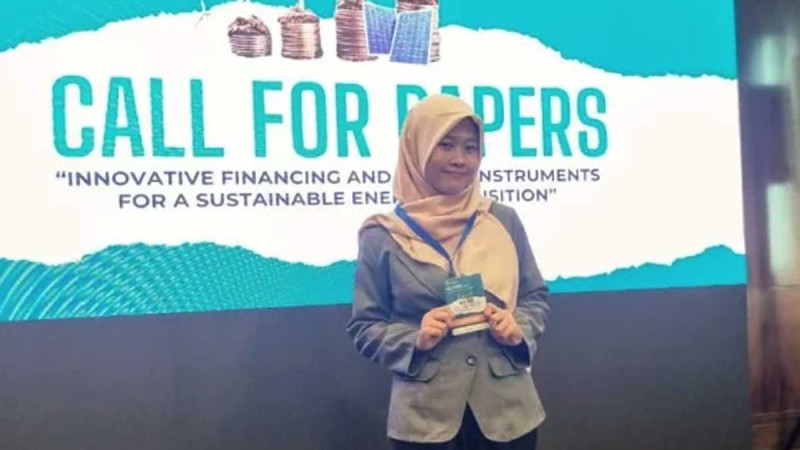
InfoSAWIT, SURABAYA — Another achievement has been carved by the nation's children on the global stage. Aidatul Fitriyah, an alumnus of the Faculty of Cultural Sciences (FIB) at Universitas Airlangga (UNAIR), successfully won First Place Best Paper in the prestigious International Journal of Oil Palm (IJOP) Paper Competition 2025.
This international scientific competition was organized by the Palm Oil Plantation Fund Management Agency (BPDP) in collaboration with the Indonesian Palm Oil Society (MAKSI). This year, the event was held hybrid at the Bogor Agricultural Institute (IPB) and attended by more than 115 participants from various countries, including Indonesia, Sri Lanka, and East Africa.
From all participants, only nine best works were selected to be presented in the international conference forum on Saturday (October 25, 2025). From the nine finalists, Afriya's research emerged as the best and won first place.
Zero-Waste Palm Oil Research for Green Aviation Energy
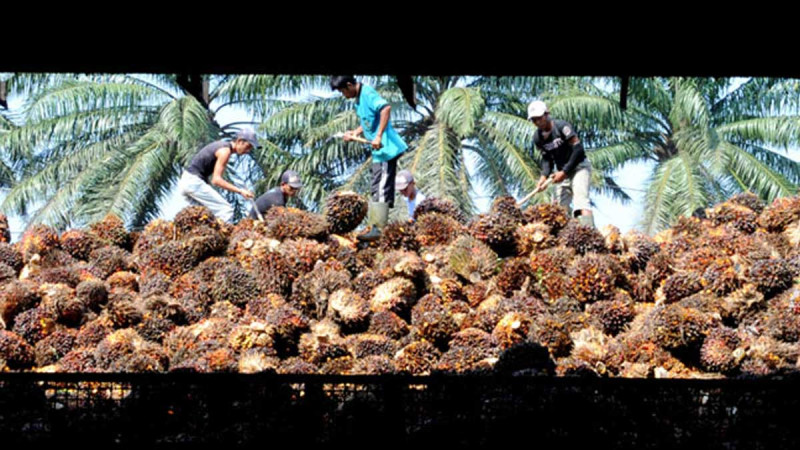
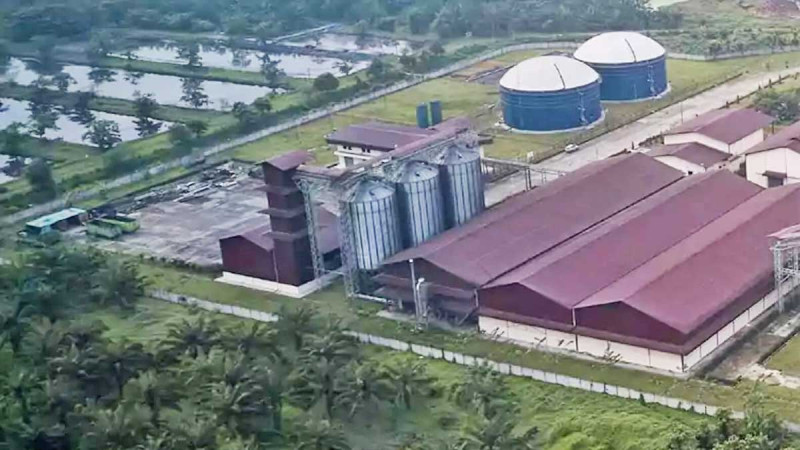
In this competition, Afriya presented research titled “Zero-Waste Palm Oil Biorefinery System for Sustainable Aviation Fuel (SAF) Production.” The study discusses the design of an integrated zero-waste palm oil biorefinery system capable of producing sustainable aviation fuel (SAF).
In addition to producing SAF, the developed biorefinery system also produces various value-added derivatives such as biochar, bioplastics, and biofertilizers, thus supporting the concept of a circular economy and resource efficiency.
“The main goal is to turn palm industry waste into clean energy while reducing greenhouse gas emissions by 72.4 percent. This aligns with Indonesia's net-zero emission targets as well as international standards like CORSIA and RED II,” explained Afriya as quoted by InfoSAWIT from Unair's website, Wednesday (October 29, 2025).
Interdisciplinary Scientific Approach
Afriya explained that her research was conducted through a series of systematic stages, starting from collecting secondary data from international institutions such as IEA, IRENA, BPS, ESDM, up to the World Bank. Subsequently, she performed process modeling using Aspen Plus V14 to simulate the conversion of palm waste into SAF and its derivatives.
Environmental impact analysis was carried out using the Life Cycle Assessment (LCA) approach, while economic aspects were evaluated through indicators such as Net Present Value (NPV), Internal Rate of Return (IRR), and Payback Period to assess investment feasibility.
“From this research, I learned that methodological patience and systemic precision are key. Combining process engineering, economics, and public policy in one model shows that science not only lives in the laboratory but must also be grounded in industrial reality,” said Afriya.
Furthermore, Afriya hopes that her research results can become a national blueprint for transforming the palm oil industry towards a green energy ecosystem and circular economy. She also encourages the biorefinery model she developed to be used as a reference for building pilot plants in Sumatra and Kalimantan, to support the Sustainable Aviation Fuel (SAF) blending mandate in the national aviation sector.
According to her, this victory is not just an academic award, but also a form of validation for interdisciplinary research that is consistently and data-based.
“This victory proves that research from Indonesia can compete at the international level. More than that, research must be translated into concrete solutions for energy transition and industry sustainability,” concluded Afriya. (T2)