InfoSAWIT, JAKARTA — The Palm Oil Farmers Union (SPKS) highlights the government's plan to increase the biodiesel blend ratio from B40 to B50. The policy, claimed as a step towards energy independence, is seen as potentially suppressing fresh fruit bunches (FFB) prices and worsening the welfare of palm oil farmers, especially independent farmers.
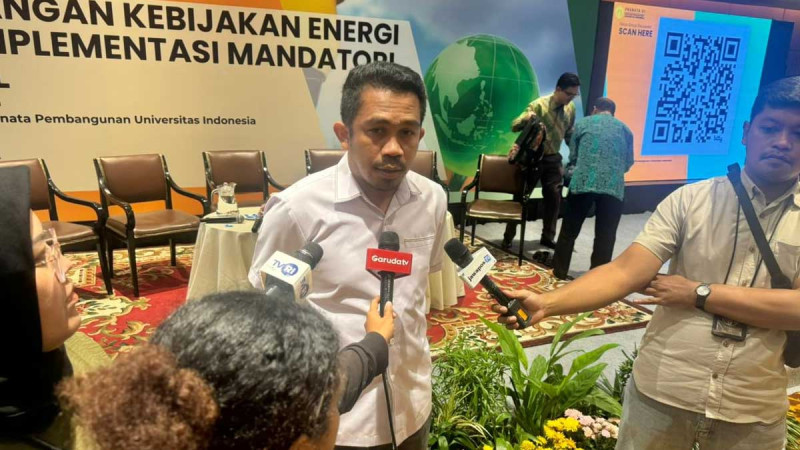
SPKS Chairman Sabarudin emphasized that before the B50 policy is implemented, the government must first conduct a comprehensive evaluation of the economic impacts at the farmer level. He believes that without fair funding mechanisms, the biodiesel program could widen disparities in the palm oil industry chain.
“If the biodiesel ratio is increased to B50, then the export levy rate will automatically rise. The impact is that FFB prices could drop by one to two thousand rupiah per kilogram. This is ironic, because the biodiesel subsidy burden is actually borne by farmers who should be the beneficiaries,” said Sabarudin in a seminar attended by InfoSAWIT, in Jakarta, last Friday.
The results of a Pranata UI study cited by SPKS strengthen these concerns. An increase in the export levy (PE) rate by 1 percent, according to the study, could potentially lower FFB prices by Rp333 per kilogram. If the PE rate is increased to 15.17 percent to support B50 implementation, FFB prices could plummet by up to Rp1,725 per kilogram.
Farmers Still Outside the Biodiesel Value Chain
Furthermore, SPKS also highlights the minimal involvement of palm oil farmers in the biodiesel supply chain. Although the program has been running since 2015, partnerships between farmers and biodiesel companies have not been formed fairly.
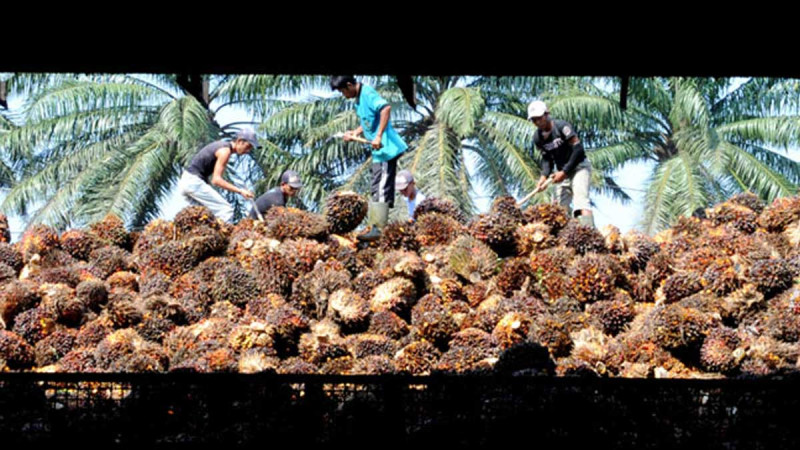
SPKS findings in four districts in Riau Province—namely Siak, Pelalawan, Kampar, and Rokan Hulu—show that farmers in areas that are the basis of the biodiesel industry still sell FFB through middlemen. They do not have direct access to biodiesel factories or integrated palm oil companies.
“Biodiesel companies receiving subsidies from the state should be required to partner with farmers. If this partnership is realized, farmers can get more decent prices and certain market access,” said Sabarudin firmly.
Palm Oil Funds Still Heavily Directed to Industry, Not Farmers
SPKS criticism also targets the biodiesel funding scheme sourced from palm oil export levy funds. So far, about 90 percent of the funds managed by the Palm Oil Plantation Fund Management Agency (BPDP) are used for biodiesel incentives, amounting to Rp30-60 trillion per year.
Ironically, the funds used to support the biodiesel industry come from export levies that indirectly suppress palm oil prices at the farmer level. SPKS believes it is time for the government to shift the focus of palm oil fund usage to increasing productivity, empowerment, and farmer partnerships.
“The biodiesel program should be a tool for economic equalization and energy justice, not burdening farmers who have been the backbone of the national palm oil industry,” concluded Sabarudin.
With these various notes, SPKS emphasizes that the transition to green energy through biodiesel must be carried out with the principle of economic justice, so that its benefits are truly felt by all actors, including farmers who are the spearhead of the sustainability of Indonesia's palm oil industry. (T2)