InfoSAWIT, JAKARTA – The policy to increase palm biodiesel blending to 50 percent is deemed necessary to be studied more deeply from the business competition aspect. Member of the Business Competition Supervisory Commission (KPPU), Eugenia Mardanugraha, reminded that the implementation of palm-based energy policies must consider international market dynamics, especially trade relations with Malaysia.
According to Eugenia, research results from Pranata UI show that overly rigid policies can disadvantage Indonesia in global competition. “If Indonesia still implements rigid policies, while Malaysia is more flexible, we could lose market share. When CPO prices rise and we hold back exports, Malaysia will take over that quota,” she said in the FGD on Energy Policy Balance in Mandatory Biodiesel Implementation, attended by InfoSAWIT, last Friday.
She added that Malaysia currently holds the main control in the global palm market. Therefore, Indonesia's biodiesel policy needs to be adjusted to international price movements to remain competitive. “If our policy is not adaptive, importers could switch to other countries,” she emphasized.
Fiscal Impact and Risk of TBS Price Decline
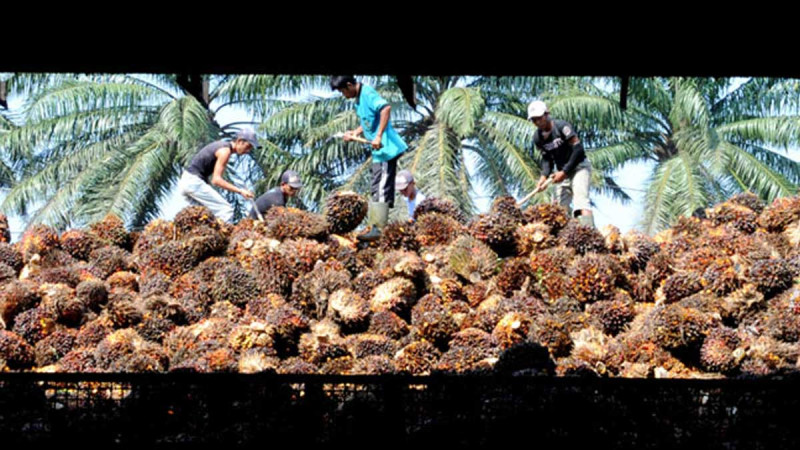
Pranata UI research also found that every 1% increase in CPO export levies can reduce Fresh Fruit Bunch (TBS) prices by around Rp333.67 per kilogram. The fiscal burden due to this levy increase cannot be fully transferred to foreign buyers, so exporters press domestic CPO purchase prices.
“Exporters with monopsony power will press prices at the factory level, and in the end, farmers bear the impact,” explained Eugenia. This condition has the potential to create imbalances in the supply chain and reduce palm farmers' welfare.
KPPU assesses that the decline in TBS prices could become an issue of unhealthy business competition if accompanied by monopsony practices or unbalanced partnerships. Based on Article 18 of Law Number 5 of 1999, business actors are prohibited from being sole buyers or controlling more than 50 percent of supply in the relevant market because it can lead to monopoly practices.
Monitoring of unnatural price fluctuations also becomes an important instrument for KPPU in detecting potential violations. “If cooking oil prices in the market do not reflect reasonable production costs, there are indications of an unhealthy market structure,” said Eugenia.
KPPU Monitors Market Structure and Behavior
KPPU emphasizes that it will continue to investigate the possibility of collusion, supply withholding (hoarding), or unfair price formation in the palm oil industry. Price studies, according to the institution, must be viewed from three main aspects: market structure, business actors' behavior, and market performance.
“The ultimate goal is to maintain market efficiency and fairness so that consumers do not bear the burden of high prices and limited product choices,” concluded Eugenia.
Adaptive and fair palm biodiesel policies become the key so that Indonesia not only maintains national energy stability but also ensures healthy competition from upstream to downstream in the palm oil industry. (T2)