InfoSAWIT, OSAKA – The Ministry of National Development Planning (PPN)/Bappenas is taking strategic steps to strengthen the integration of national economic development with the sustainable environmental agenda. This is realized through cooperation on carbon trading in the palm oil sector with the Chinese Society for Environmental Sciences (CSES).
The bilateral cooperation framework was discussed at the High-Level Meeting on the Preparation of Bilateral Cooperation held at the Indonesia Pavilion at Expo 2025 Osaka, Japan, on October 11, 2025.
"The memorandum of understanding between Indonesia and China will form a comprehensive cooperation framework, focusing on the integration of trade, technology, and environmental sustainability, particularly through carbon trading in the palm oil commodity," said Teni Widuriyanti, Secretary of the Ministry of PPN/Principal Secretary of Bappenas.
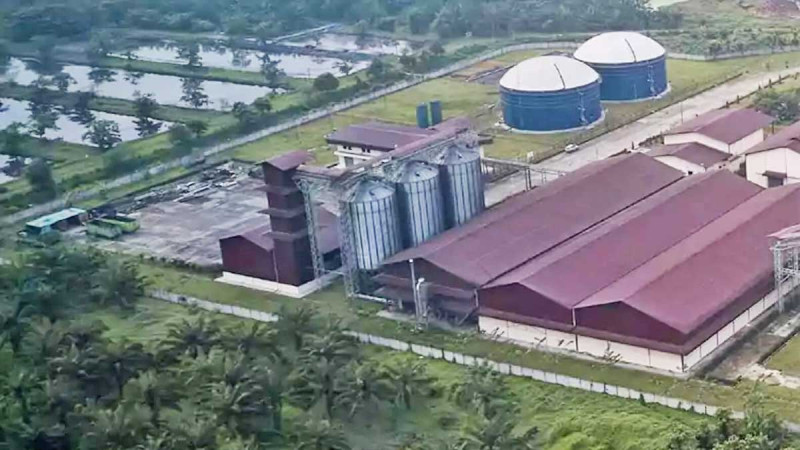
This cooperation aligns with Indonesia's National Medium-Term Development Plan (RPJMN) 2025–2029, emphasizing innovative development financing, palm oil industrial downstreaming, and human resource capacity building. The collaboration will develop low-emission technology innovations such as the Low Emission Palm Oil Mill (PaMER) and the Controlled Emission Composting Chamber (CECC).
Bappenas is committed to supporting the development of a specific emissions reduction methodology for the palm oil industry, which is currently unavailable despite Indonesia having a national carbon trading scheme. The implementation of low-emission technology is expected to suppress carbon emissions and open opportunities for increasing national income through carbon credit trading, with China potentially being a major buyer. (T2)