InfoSAWIT, NEW DELHI – A recent study recommends that India, the world's largest importer of edible oil, implement a transparent and consistent long-term tariff framework to end a decade of policy volatility that has been blamed for distorting prices and hindering investment in the edible oil sector.
The research, titled “Tariff Volatility and Stakeholder Dynamics in India’s Edible Oil Sector,” was jointly prepared by the Centre for Economic Studies and Planning at Jawaharlal Nehru University, VeK Policy Advisory and Research, and Assocham.
According to the study, India—which imports about 60–65% of its edible oil needs—has changed import tariffs more than 25 times since 2015. This frequent alteration has created uncertainty for international suppliers, domestic industry players, and consumers.
"Tariff policy in India's edible oil sector must evolve from a reactive instrument to a strategic tool," said TS Vishwanath, Founder and Executive Chairman of VeK Policy Advisory, after the report launch in New Delhi, quoted by InfoSAWIT from India Times on Thursday (16/10/2025).
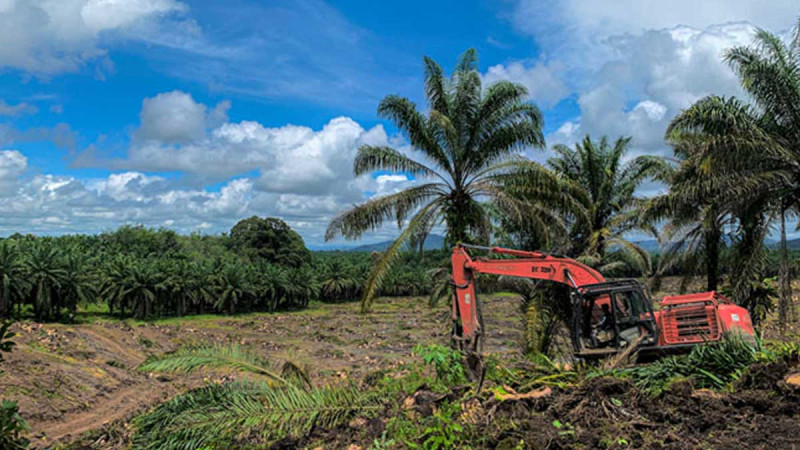
Palm oil is a key commodity in this dynamic, accounting for about 60% of India's total edible oil imports. The study therefore recommends that the government establish a predictable tariff range, strengthen market data systems, and formally engage stakeholders before any policy changes are made.
The research, conducted to support the National Mission on Edible Oils–Oil Palm (NMEO-OP) policy, also found that sudden tariff changes add complexity to import planning and increase transaction costs for processing industries and traders.
The study also warned that India's dependence on palm oil makes it the "price anchor" for domestic edible oils, but simultaneously makes India vulnerable to the policies of major supplying countries like Indonesia and Malaysia, including export bans, CPO diversion for biodiesel, and geopolitical tensions.
To strengthen market resilience, the study proposes the development of a unified edible oil data portal to monitor global prices, import volumes, and retail trends, complete with Artificial Intelligence (AI)-based forecasting tools and an early warning system for policy simulations. (T2)