InfoSAWIT, JAKARTA – The Meteorology, Climatology, and Geophysics Agency (BMKG) predicts that a small number of global climate models show the potential for a weak La Niña phenomenon to emerge at the end of 2025. This phenomenon, although mild, is expected to increase rainfall in several regions of Indonesia—especially in the western and central parts of the archipelago.
Responding to this condition, palm oil plantation company PT Teladan Prima Agro Tbk. (TLDN) stated that it has prepared anticipatory measures to face the potential weather change.
"Climate phenomena like El Niño and La Niña are unavoidable external factors, but the most important thing is the company's ability to anticipate early and adapt to the impacts through data-based management and precision technology," said Noor Falich, TLDN's Director of Plantation and Agronomy, as reported by InfoSAWIT from Bloomberg Technoz on Monday (13/10/2025).
La Niña as an Opportunity
Unlike El Niño, which tends to bring drought, La Niña often results in higher rainfall. However, for TLDN, this condition can bring a positive effect, particularly in their plantation areas on the island of Kalimantan.
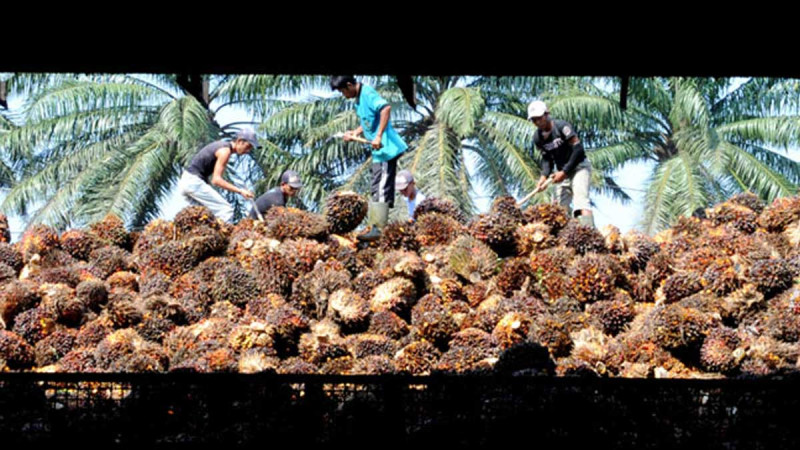
"During a La Niña or wet weather event, rainfall in the afternoon or evening has a positive impact on fruit formation and the increase in the number of Fresh Fruit Bunches (FFB)," Noor explained. "We also utilize an early warning system for pests and diseases, and ensure that FFB harvesting and transportation to the factory remain smooth."
Noor noted that based on TLDN's historical data, the impact of La Niña is relatively milder than that of El Niño on productivity.
Technology is Key to Climate Adaptation
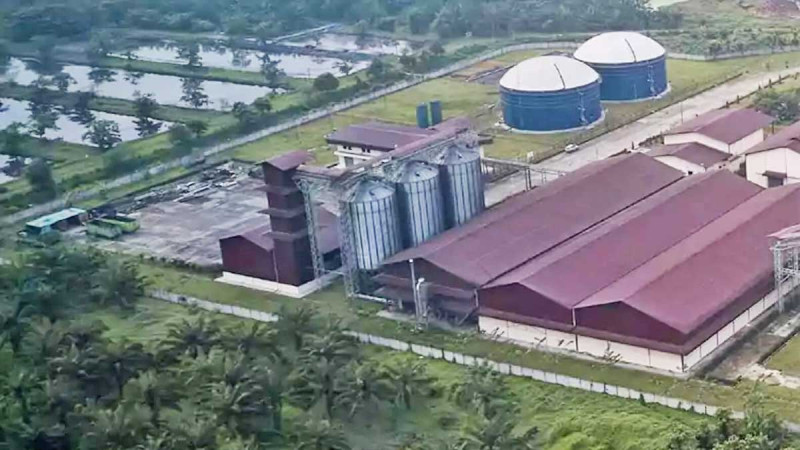
TLDN relies on the Teladan Productivity Technology Science (TPTS) platform—an Internet of Things (IoT)-based system—to monitor climate conditions, soil moisture, and plant health in real-time. This technology allows for faster decision-making, including regulating planting and harvesting patterns.
Despite the increasing unpredictability of global climate change, TLDN sees opportunity amidst the challenge. The combination of science-based management, investment in precision technology, and operational readiness is believed to be the key to maintaining productivity. (T2)