
InfoSAWIT, JAKARTA – Palm oil downstreaming is a key strategy for strengthening national energy resilience, creating employment, and boosting farmer welfare. This message was delivered by Steivie Karouw, Head of the Palma Crop Assembly and Testing Center at the Ministry of Agriculture, during the Indonesia Palm Oil Research & Innovation Conference and Expo 2025, organized by the National Research and Innovation Agency (BRIN) in Jakarta on Thursday (10/2).
Delivering a speech on behalf of the Vice Minister of Agriculture, Steivie stressed the importance of cross-sectoral synergy in bolstering the national palm oil industry based on innovation and technology. "Indonesia has enormous capital to not only be an exporter of palm oil raw materials but also to become a main player in palm-based renewable energy," he stated.
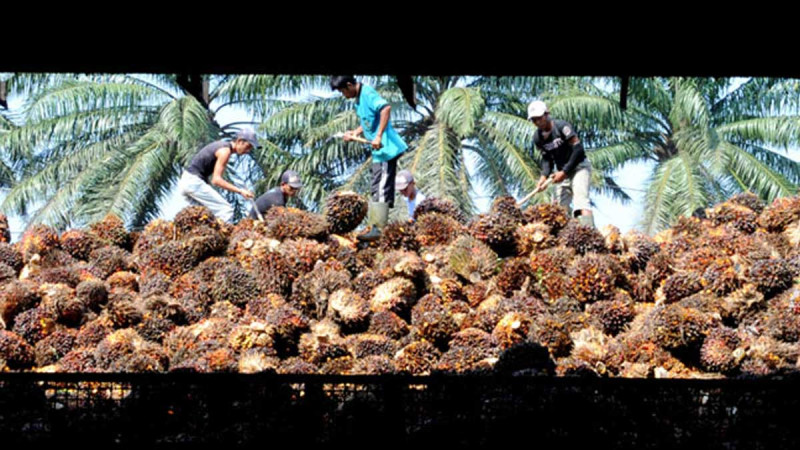
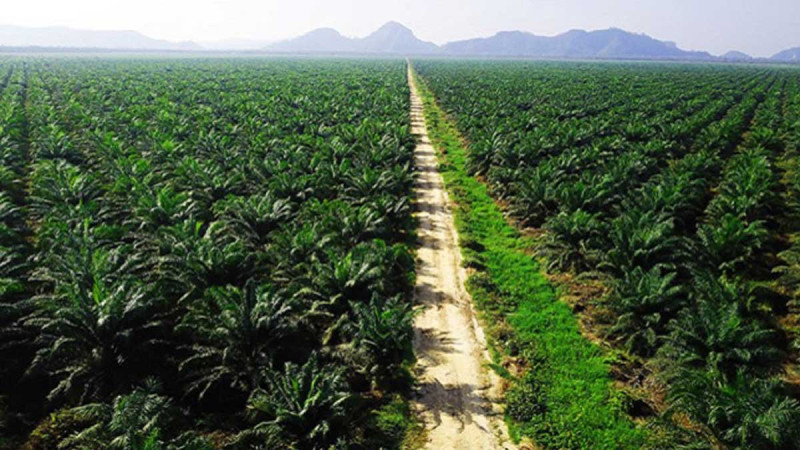
He explained that Indonesia currently has a palm oil plantation area of 16.8 million hectares with an average productivity of 3.6 tons per hectare, yielding about 47.47 million tons of CPO annually. This places Indonesia as the world's largest palm oil producer. However, Steivie cautioned that this vast potential is shadowed by various challenges, including low smallholder productivity, pest and disease attacks, and negative campaigns in the global market.
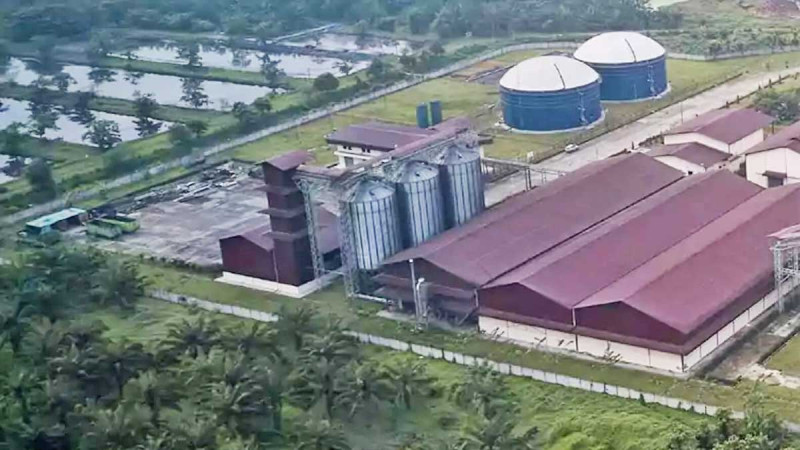
“Downstreaming is the key to confronting all these challenges,” he asserted. “By processing palm oil into high-value derivative products, we not only enhance competitiveness but also create new jobs and reduce poverty.”
Steivie gave the example of successful downstreaming in cocoa and cashew commodities. Raw cocoa, valued at only Rp26,000 per kilogram, can fetch up to Rp1 million per kilogram after being processed into chocolate products—a nearly 38-fold increase. A similar pattern, he continued, can be applied to palm oil through the development of the biodiesel and green energy industries.
The Ministry of Agriculture is directing two million hectares of palm oil land to support the national energy transition program through biodiesel production. Indonesia has implemented the B30 and B35 policies and is preparing to move toward B40 and B50, even targeting B100 in the future. "This step will establish palm oil as the backbone of national energy security," Steivie emphasized.
To realize this target, he highlighted the importance of multi-party collaboration. "Farmers as raw material producers, industry as processors, investors providing technology, BRIN as the research center, the government as the regulator, and universities as development partners—all must move together," he urged.
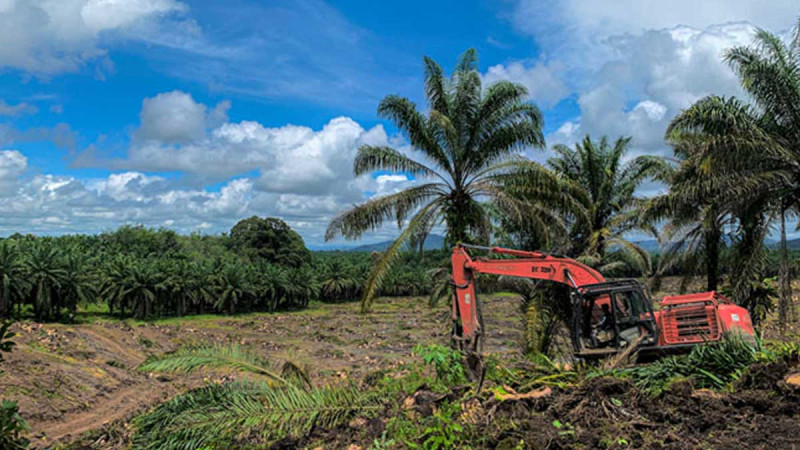
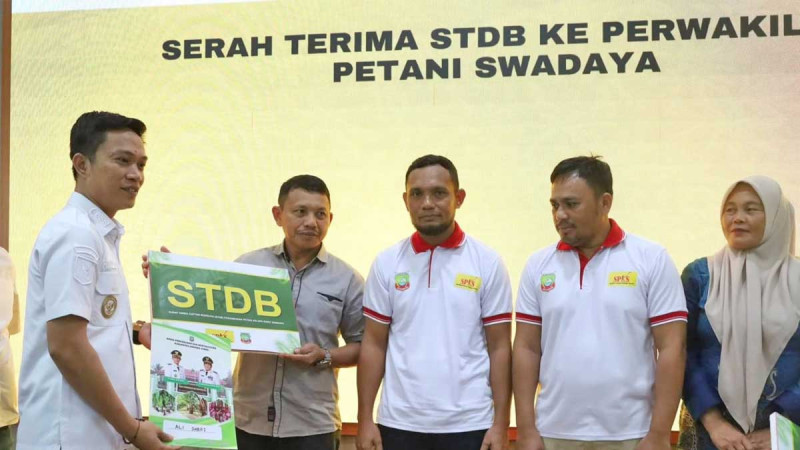
Steivie also noted the financial support from the Palm Oil Plantation Fund Management Agency (BPDP) in strengthening the sustainable palm oil ecosystem. The Ministry of Agriculture's strategic programs for 2025 include smallholder replanting, developing plantation infrastructure, enhancing farmer HR capacity, and palm oil research and development. Since 2021, this program has reached 21 provinces, covering a total of 100,000 hectares, including 20,000 hectares under a partnership scheme. (T2)