InfoSAWIT, JAKARTA – The effort to boost palm oil productivity through the Smallholder Palm Oil Replanting (PSR) Program is like a double-edged sword, struggling against high Fresh Fruit Bunch (FFB) prices that discourage farmers from cutting down unproductive, old trees, alongside persistent obstacles related to land legality and burdensome prerequisites.
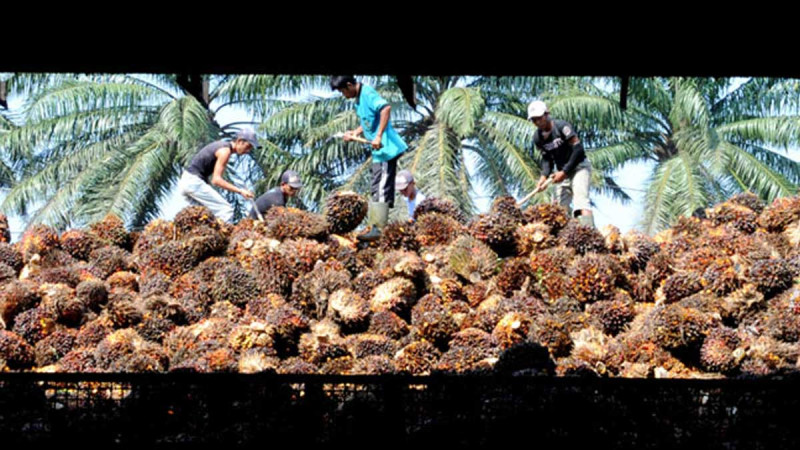
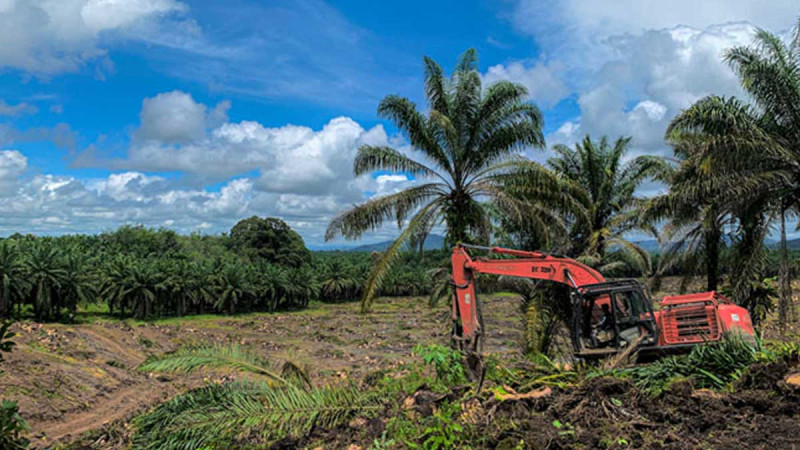
Across vast fields nationwide, thousands of palm oil trees are aging, their productivity dwindling. The average age is over 25 years—they are due to be felled and replaced. However, for farmers, cutting a tree means cutting off income. This is where the complex story of the PSR program begins, caught between high hopes and unending hurdles.
Setiyono, Chairman of the Association of People's Nucleus Estates (Asosiasi Perkebunan Inti Rakyat - Aspekpir) of Indonesia, provided the farmers' perspective. "Almost 90 percent of the land replanted so far comes from PIR-Trans areas. But many of them have joined other organizations due to the social and political democratic situation," he stated. For him, where the farmers affiliate is less important than the enduring commitment to replant.
Yet, PSR realization is far behind target. "The government has actually been extraordinary. The grant increased from Rp25 million per hectare to Rp60 million. But implementation remains slow," he told InfoSAWIT in late April 2025. The biggest obstacle, according to Setiyono, is land legality. While the issue is relatively managed in Aspekpir's area, in many other regions, land legality remains a difficult hurdle to clear.
"Many were waiting for the Rp60 million fund disbursement, so they held back. But now, with FFB prices being quite good, enthusiasm is starting to show again. Our target this year is 180 thousand hectares," he added. Of Aspekpir's members managing about 800 thousand hectares, most have not yet registered, not due to unwillingness, but because the process is complicated and lengthy.
Normansyah Hidayat Syahruddin, Director of the Plantation Fund Management Agency (BPDP), elaborated on the PSR architecture. His institution plays a vital role in funding replanting. "Since 2016, we have disbursed about Rp10 trillion for PSR covering 38,404 hectares," he revealed. The grant can now reach up to Rp60 million per hectare.
There are two pathways for PSR: partnership and independent. The partnership track—which involves companies as technical facilitators—is expected to be more effective. However, only 11 percent of all PSR applications utilize this route. Once again, land legality proves to be a thick wall blocking progress.
"The actual process is fast. After verification and technical recommendation (rekomtek) are completed, fund disbursement can be done within a month. But, as mentioned, if the land requirements are not met, the program stops midway," Normansyah stated while speaking at the Aspekpir National Working Meeting in Jakarta. (T2)