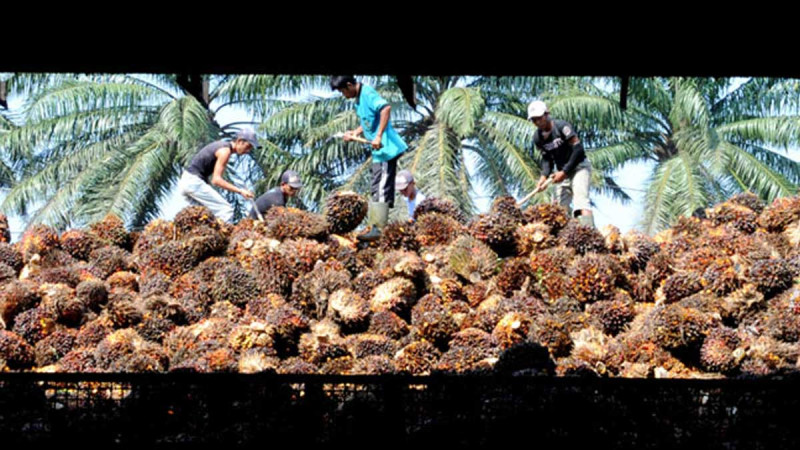
InfoSAWIT, JAKARTA – “Female palm oil workers are not just laborers, but also the determinants of their family’s future direction.” This simple statement captured the core message of Widyastutik, a researcher from the IPB University Center for Agricultural and Rural Development Studies, as she presented her findings on the participation of female workers in household investment decisions.
In a work environment often perceived as masculine, like palm oil plantations, the presence of women is frequently viewed as merely supplemental. However, on the ground, the reality shows the opposite. With incomes ranging from Rp1.5 million to Rp3 million, these women not only contribute to the family economy but also hold significant influence in various domestic decisions—from children's education to long-term investment.
"Sometimes women are thought to work just to buy cosmetics," said Widyastutik. "But the fact is, they set aside their earnings for savings, buying property, and even business capital."
The study, conducted in three districts—Asahan in North Sumatra, Siak in Riau, and Kutai Kartanegara in East Kalimantan—indicates that household decision-making is largely collective. However, in certain aspects such as food expenditure, children's education, and savings, women dominate. While male dominance remains strong in major investment decisions in some areas, women’s participation is steadily increasing.
Education level proves not to be a barrier. Although most female workers in this sector only have a junior high school background, their significant economic contribution gives them strong bargaining power within the household.
Three main motives were identified for female palm oil workers’ investment:
Future Guarantee: They are aware that informal and contract work status does not provide old-age protection.
Savings: As household financial managers, women feel responsible for creating family economic stability.
Emergency Fund: Experience living far from healthcare services encourages women to prepare financial reserves for unexpected events like illness or accidents.
Their investments are diverse. Besides conventional savings in banks or cooperatives, some women set aside funds to purchase vehicles, property, or run small businesses. They opt for investment instruments that are liquid and easily accessible, reflecting prudence in managing risks amid life's uncertainties. (T2)