InfoSAWIT, BALI – After nearly a decade of extensive negotiations, Indonesia and the European Union have finally reached a substantial conclusion in the Indonesia–European Union Comprehensive Economic Partnership Agreement (IEU-CEPA). This historic signing took place in Bali on Tuesday (9/23), a tangible follow-up to the CEPA conclusion announced by Indonesian President Prabowo Subianto and European Commission President Ursula von der Leyen in Brussels last July.
With this agreement, Indonesia assumes a strategic position, following Singapore and Vietnam, which had previously signed CEPA deals with the EU. This achievement not only paves the way for fairer competition but also affirms Indonesia's standing on the global trade stage.
“From the first round in Brussels, September 2016, to today in Bali, this nine-year journey brings us to a historic milestone. IEU-CEPA reflects a shared commitment to building an economic partnership that is open, fair, and sustainable,” said Coordinating Minister for Economic Affairs Airlangga Hartarto at a joint press conference with European Commission Executive Vice-President Maroš Šefčovič, as reported by InfoSAWIT on Monday (9/29/2025).
Concrete Benefits for Trade The IEU-CEPA agreement encompasses significant liberalization in goods, services, and investment sectors. Both parties agreed to eliminate tariffs on over 98% of tariff lines and 99% of the total import value. Once implemented, Indonesian products will immediately gain tariff-free access to 90.40% of the European Union market, with further tariff reductions phased in gradually.
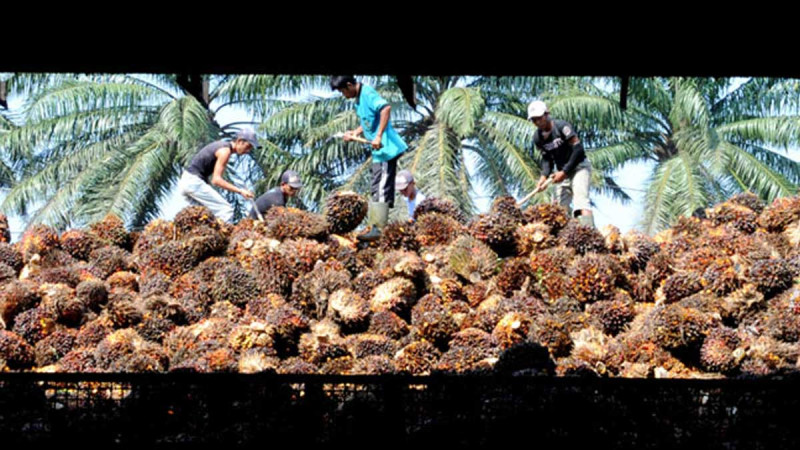
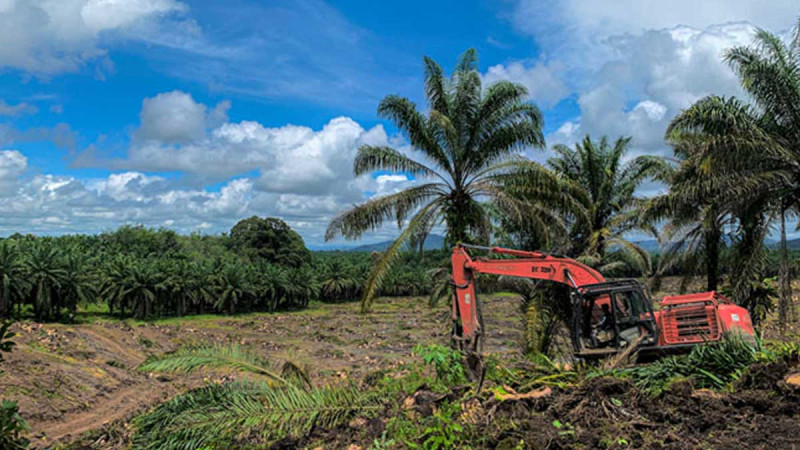
Key export commodities such as palm oil, coffee, textiles, garments, footwear, and furniture are projected for a significant boost. Furthermore, IEU-CEPA also opens the way for exports of high-tech products—from smartphones to telecommunications equipment—expected to strengthen export diversification and national industry competitiveness.
“It is an honor to stand here with Minister Airlangga. The strong political leadership and hard work of the Indonesian negotiating team played a huge role in achieving this historic moment,” said Commissioner Šefčovič.
In addition to trade, the European Union—already one of Indonesia's largest investors—affirmed its commitment to expanding investments across various sectors, including chemicals, pharmaceuticals, hospitality, and the food industry. The IEU-CEPA agreement is expected to provide regulatory certainty, encourage technology transfer, and integrate Indonesia into the global supply chain.
Crucially, IEU-CEPA also includes a dedicated chapter on digital trade. This feature is seen as aligning with global trends and the Digital Economy Framework Agreement (DEFA) initiative spearheaded by ASEAN under Indonesia’s leadership. The digital clause will open up broader space for digital economy development, both regionally and globally.
National Economic Impact The government estimates that the implementation of IEU-CEPA can boost Indonesian exports to the European Union by up to 60% at the start of its application, accompanied by an increase in national income of USD 2.8 billion. Furthermore, the agreement is projected to create millions of new jobs, especially in labor-intensive sectors, and directly impact approximately 5 million Indonesian workers.
This agreement is also in line with the government's economic package agenda, ranging from tourism revitalization, strengthening labor-intensive industries, incentives for SMEs, to social protection supporting public purchasing power.
Minister Airlangga emphasized that the implementation of IEU-CEPA will be supported by ongoing policy reforms and deregulation efforts by the government. “With the joint announcement of the substantial conclusion of IEU-CEPA, a new era in bilateral relations begins. This agreement connects 723 million people from both regions, with a value exceeding USD 21 trillion,” he asserted.
The signing was witnessed by the Indonesian Ambassador to Brussels and the EU, the EU Ambassador to Indonesia and Brunei Darussalam, 21 Ambassadors from EU member states, and a line of high-ranking officials from relevant ministries and institutions. (T2)