InfoSAWIT, JAKARTA – The Indonesian Palm Oil Smallholders Union (SPKS) is urging the newly appointed Indonesian Minister of Finance, Purbaya Yudhi Sadewa, to immediately review the palm oil export tax (Export Duty/BK) and export levy (PE) policies. The farmers' organization believes that these two fiscal instruments have consistently suppressed the price of fresh fruit bunches (FFB) at the farmer level and worsened the economic conditions of millions of families who depend on palm oil plantations.
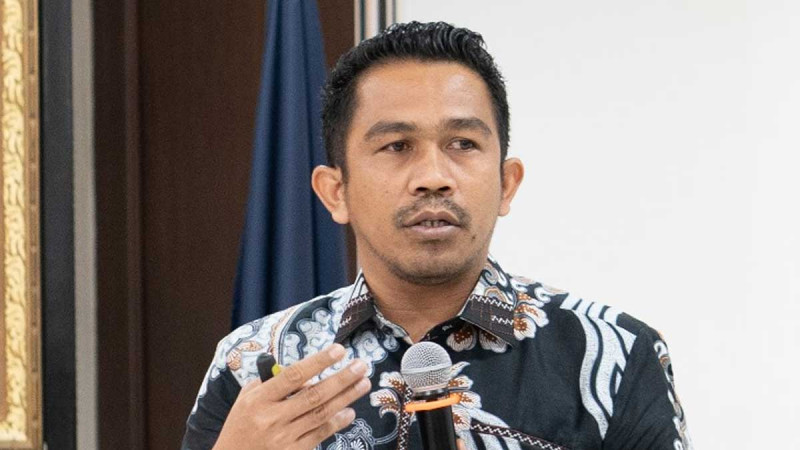
SPKS Chairman Sabarudin stated that since the palm oil levy policy was implemented in 2015, more than 90% of the funds collected by the Palm Oil Plantation Fund Management Agency (BPDP) have been allocated only for biodiesel subsidies. As a result, farmers from Aceh to Papua have not felt the direct benefits, while the cost of living continues to rise due to expensive fertilizers and staple goods.
"The palm oil levy funds only benefit the large industries that own biodiesel factories. Meanwhile, farmers continue to be harmed because their FFB prices are suppressed," said Sabarudin in an official statement received by InfoSAWIT on Wednesday (9/24/2025).
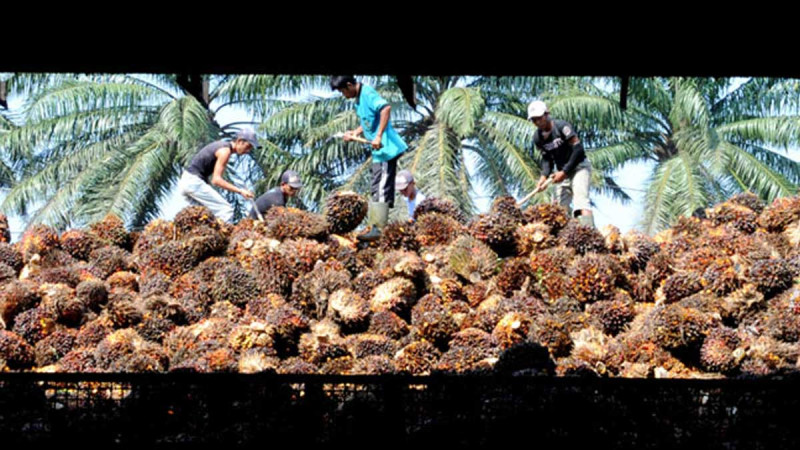
SPKS noted that every 1% increase in the export levy impacts a decrease in FFB prices by Rp300–Rp500 per kilogram. According to Sabarudin, this situation makes it increasingly difficult for millions of palm oil farmers to survive. "Where is the justice for palm oil farmers? The large profits are only circulated within an industrial oligarchy, while 3.5 million farmer families are economically squeezed," he asserted.
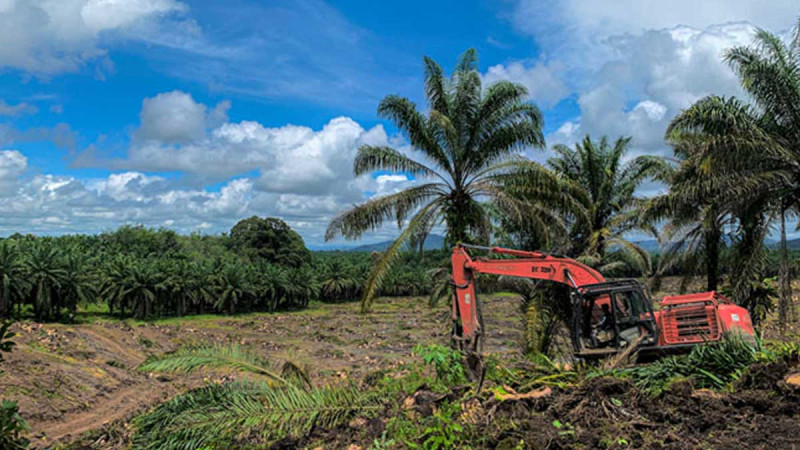
SPKS data shows that palm oil smallholders manage about 7.2 million hectares, or 42% of the total national palm oil plantations. This means that the livelihoods of approximately 14.3 million people are highly dependent on the selling price of FFB.
Meanwhile, the Ministry of Energy and Mineral Resources (ESDM) recently released an additional biodiesel B40 subsidy allocation of Rp16 trillion for 2025. The total incentive need for B40 next year is estimated to reach Rp67 trillion—a fantastic figure, most of which comes from the palm oil export levy.
For SPKS, this policy demonstrates structural injustice. "Biodiesel subsidies should be directly converted into FFB price incentives for the farmers who supply the national biodiesel needs," Sabarudin suggested.
SPKS hopes that Finance Minister Purbaya can take concrete steps to stop the distortion of FFB prices by reducing or even eliminating the palm oil export tax and export levy. The support of President Prabowo is also considered crucial to realigning regulations that have so far favored corporations over the people.
"If the government can channel Rp200 trillion to state-owned banks for community financing, then the palm oil funds must also be re-evaluated so that their benefits are truly felt by farmers," Sabarudin concluded. (T2)