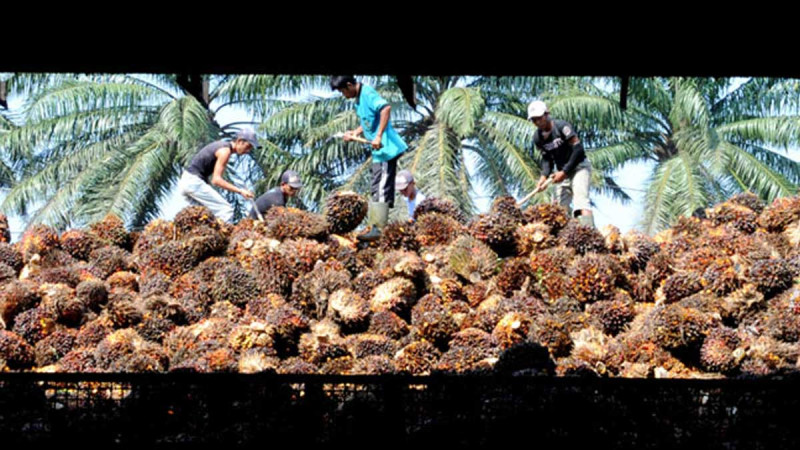
InfoSAWIT, BOGOR – Siti Amanah, an academic from the Department of Communication Science and Community Development at IPB University's Faculty of Human Ecology, offered a sharp reflection on the realities of female palm oil workers. She emphasized that the issues they face are not merely economic but also involve an unbalanced social structure and a system that is not inclusive of women's needs.
"We haven't moved on from the old structures," Siti asserted. Discrimination, subordination, dual burdens, marginalization, and the absence of a space to voice concerns are all interconnected issues for women in this sector. Although their economic contribution to households is significant, it is not recognized equally, let alone reflected in gender-just policies.
Siti highlighted that the lack of decent basic facilities, both in offices and in the field, is evidence that the quality of life for workers—especially women—has not been a priority. She also pointed to wage inequality and the lack of protection for women's rights as a clear reflection of a system that has failed to address real-world needs.
She also noted that programs aimed at empowering women often operate in isolation, without connectivity between institutions. "There needs to be a collaborative meeting between the women's empowerment agency, companies, and the higher education sector," she said, emphasizing the importance of an open forum to integrate policies, programs, and cross-sectoral activities.
One concrete proposal that emerged was to encourage commodity diversification on palm oil plantations. By not only planting palm oil but also including food crops or livestock, the nutritional status of workers' families can be improved independently. Siti mentioned data showing that this approach has started to be implemented in several regions, such as in Sumatra and Kalimantan.
Furthermore, she stressed that investing in human capital is the foundation for genuine welfare. It is not enough to just provide wages; female workers also need a space to organize, speak up, and receive empowering skills training and information. (T2)