InfoSAWIT, JAKARTA – The Indonesian government is reinforcing its commitment to accelerating the transition to green energy. The Ministry of Industry is now focused on promoting the use of empty palm oil fruit bunches (TKKS) as a raw material for bioethanol through a glucose extraction process. This strategic effort is seen as a way to not only broaden the use of palm oil waste but also to strengthen Indonesia's position in the global renewable energy market.
Minister of Industry Agus Gumiwang Kartasasmita emphasized that the key to successfully developing environmentally friendly technology lies in cross-sector collaboration. "To achieve these goals, synergy between the government and industry is necessary. We are optimistic that collaboration is one of the keys to delivering sustainable technology," he said in an official statement received by InfoSAWIT on Wednesday (9/17/2025).
This concrete step is being realized through a partnership between the Center for Standardization and Industrial Service for Agro-Industry (BBSPJIA) and PT Toyota Motor Manufacturing Indonesia (TMMIN). The project also involves PT Rekayasa Industri and the Bandung Institute of Technology (ITB) as strategic partners in renewable energy technology development.
Andi Rizaldi, Head of the Industrial Standardization and Services Policy Agency (BSKJI), stated that close collaboration between government agencies, research institutions, and industry is a vital foundation for green innovation. "We are very committed to supporting the development of standardization and industrial services that can accelerate the transformation of the industrial sector to be more competitive and environmentally conscious," he said.
TKKS: From Waste to High-Value Product
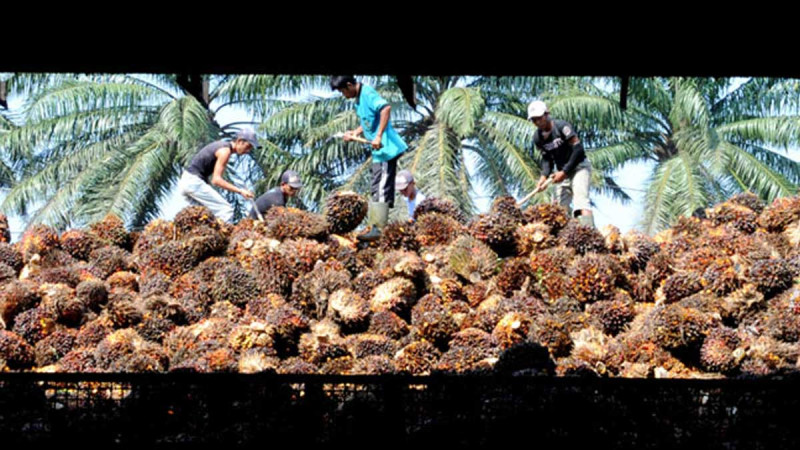
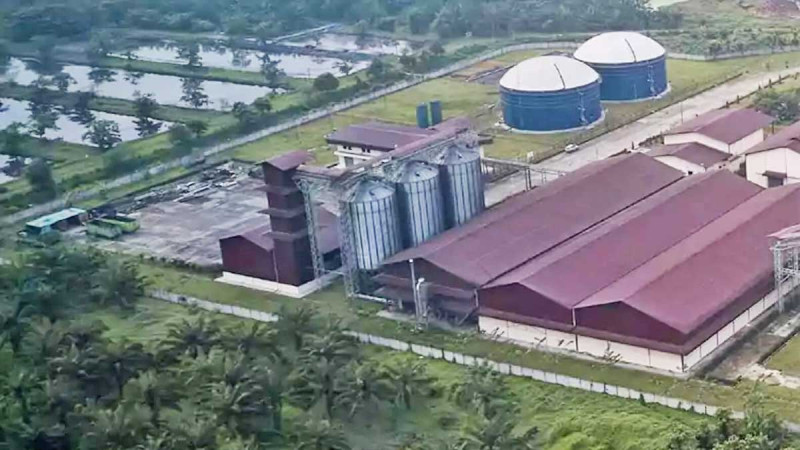
For a long time, empty fruit bunches (TKKS) were considered waste with limited uses. However, through the TKKS Fractionation Pilot Plant facility owned by BBSPJIA, this palm oil waste can be processed into high-value products, including bioethanol, glucose, xylose, lignin, and its derivatives.
The Head of BBSPJIA, Yuni Herlina Harahap, explained that the pilot plant serves as a research and technology trial venue that can support the industry in making optimal use of palm oil waste. "This pilot project is expected to drive the development of sustainable palm oil-based bioenergy while also opening up opportunities for further research into the development of biomass as an environmentally friendly energy source," she explained.
The initiative is not just about energy; it also intersects with the development of a circular economy. The Vice President Director of PT TMMIN, Bob Azam, believes that bioethanol from TKKS can be a model for more productive use of industrial waste. "We see bioethanol not just as an energy alternative, but also as part of a circular economy that can reduce environmental impact and increase the added value of Indonesia's highly dominant palm oil industry," he stated.
Bob also praised the role of BBSPJIA, which he believes provides tangible technological solutions. "We are committed to supporting various initiatives to accelerate Indonesia's transition to a green economy," he said.
The Ministry of Industry asserts that this cross-sector collaboration is not just about research and technology but is a long-term strategy to strengthen the national industry's competitiveness. With regulatory support, research infrastructure, and the involvement of business players, Indonesia is believed to be able to move faster in facing energy and environmental challenges.
"We are confident that Indonesia can move towards a sustainable and highly competitive green industry. This initiative is clear evidence that innovation and cross-sector collaboration can bring positive change, while also encouraging more inclusive and environmentally friendly economic growth," Yuni concluded. (T2)