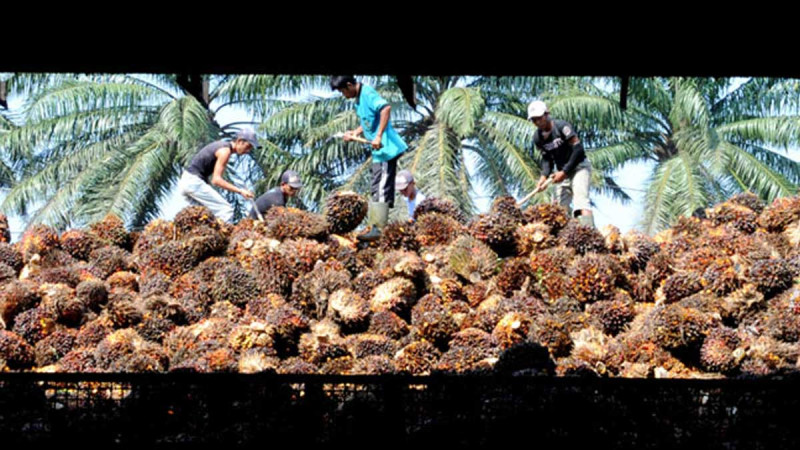
InfoSAWIT, PONTIANAK — Behind the booming palm oil industry that supports the economy of West Kalimantan, a harsh reality still plagues hundreds of thousands of plantation workers, especially women. A multi-stakeholder forum titled "Decent Work in Palm Oil Plantations," held in Pontianak on Friday (9/12), revealed that labor protection for palm oil workers is still far from ideal.
The Head of the West Kalimantan Plantation and Livestock Office, Heronimus Hero, stated that more than 150,000 people in the province work in the palm oil sector. "The palm oil industry is facing welfare issues. From the palm oil revenue-sharing fund, there is an allocation for social security for workers, as well as a scholarship program for the children of planters. However, companies must still provide adequate training on the safe use of chemicals for workers," he said in an official statement received by InfoSAWIT on Sunday (9/14/2025).
Despite government initiatives, the voices of the workers reveal a different story. Yublina Oematan, a women's labor activist, asserted that the majority of palm oil workers are still classified as daily or piece-rate workers (Buruh Harian Lepas - BHL or Borongan - BHB). "They have worked for more than a decade, but their status has not changed. The wages are not equal to men's. Meanwhile, female workers face high risks, from irritation to infertility and cancer due to exposure to toxins," she revealed.
This condition was reinforced by Ismet Inoni, Coordinator of the Palm Oil Labor Coalition. According to him, the principle of decent work has not been achieved because workers are left to face exposure to chemicals without adequate protection. "Most palm oil workers are women. They are the most vulnerable," he stressed. A similar view was shared by K3 (Occupational Health and Safety) practitioner, Dr. Naura Zainar Aufaira, who warned about the impact of agrochemicals on the health of pregnant women, including the risk of miscarriage and birth defects.
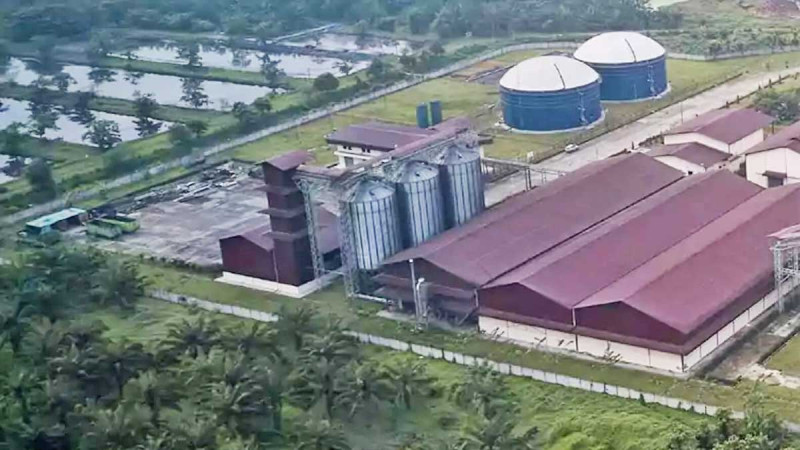
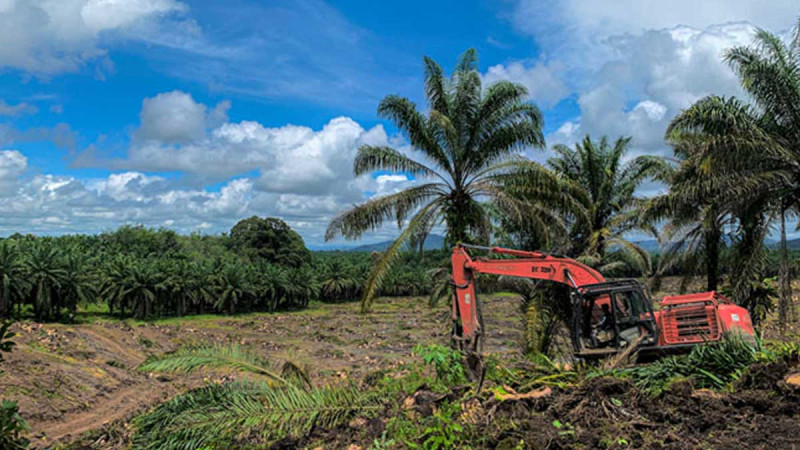
Amidst West Kalimantan's 3.2 million hectares of palm oil plantations—around 22% of the province's total area—the industry is indeed a lifeline for millions of residents. However, the Director of LinkAR Borneo, Ahmad Syukri, warned that the large profits reaped by companies should not be paid for with the suffering of workers. "Low wages, uncertain employment status, and minimal K3 protection are still serious problems. The government, entrepreneurs, and labor unions must make this issue a central focus for a just palm oil transition," he said.
The forum concluded that decent work on palm oil plantations is not just a slogan. Regulations like the Job Creation Law are considered insufficient to provide protection. Many parties are pushing for regional governments and local councils to immediately create a special regional regulation for palm oil workers, accompanied by SOPs and collective agreements that include the participation of female workers. Without this, palm oil will continue to be seen only as a source of foreign exchange, not as an ecosystem that ensures justice and welfare for its workers. (T2)