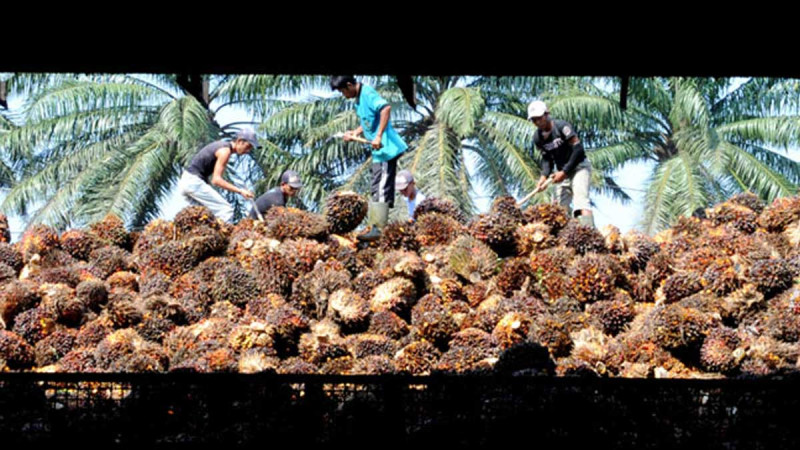
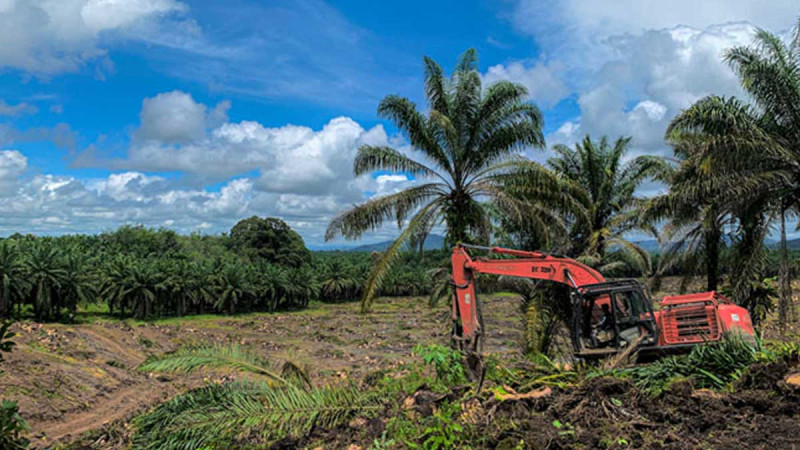
InfoSAWIT, BOGOR – For the past three years, the SustainPalm project has served as a large-scale laboratory for the future of the palm oil industry. More than just a research effort, this collaboration between Indonesia and the Netherlands unites academic knowledge, policy support, and field practices to address the challenges of sustainable palm oil.
Involving IPB University, Lambung Mangkurat University (ULM), Wageningen University and Research (WUR), and Van Hall Larenstein University of Applied Sciences (VHL), SustainPalm is supported by the Dutch Ministry of Foreign Affairs and the Indonesian Coordinating Ministry for Economic Affairs.
Rector of IPB University, Prof. Arif Satria, emphasized the importance of this cross-country and cross-sector collaboration. According to him, SustainPalm has provided proof that sustainable palm oil is not just jargon but can be realized through concrete actions.
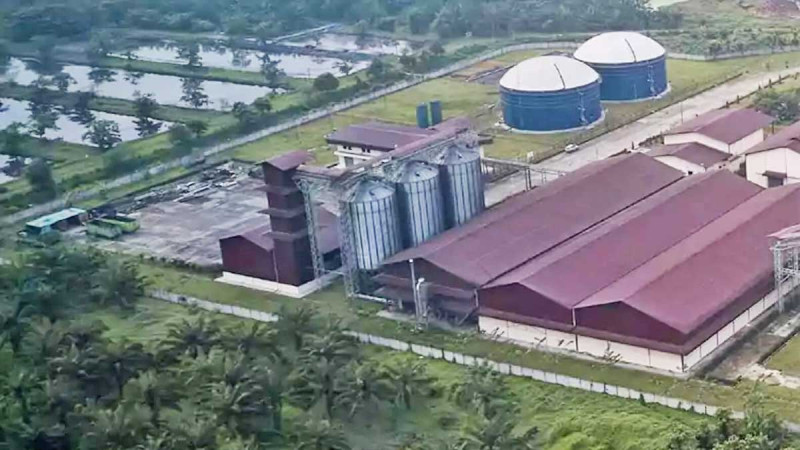
"From waste to wealth. Palm oil waste, once considered a burden, can now be processed into valuable products. SustainPalm is a shared journey that proves the palm oil sector can support livelihoods while also protecting the earth for future generations," said Arif at the SustainPalm Annual Meeting at the IPB International Convention Center in Bogor on Monday.
One breakthrough from IPB University is the development of the Cattle-Oil Palm Integration System (SISKA). This system combines palm oil plantations with cattle farming, so the land not only produces vegetable oil but also meat and organic fertilizer.
Additionally, intercropping approaches, such as planting bananas, velvet beans, and coffee alongside palm oil, have been trialed. The results not only increase farmers' income but also improve soil health and help with natural pest control.
Unlike typical research projects, SustainPalm prioritizes Communities of Practice (CoPs) and LivingLabs (LLs). This model brings farmers, researchers, companies, and government officials to the same discussion table to formulate joint solutions tailored to local conditions.
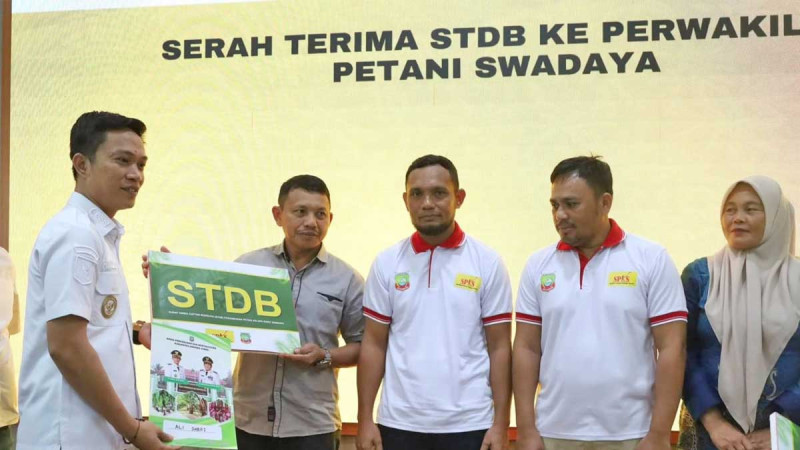
In this way, research results do not stop at scientific journals but can be directly applied in the field. Smallholders also get real benefits from more efficient, environmentally friendly, and inclusive palm oil practices.
Although the SustainPalm project period has ended, the spirit of collaboration is expected to continue. "The values of sustainability must become the foundation of policy, strengthen communities, and be ingrained in the DNA of Indonesia's palm oil industry," Prof. Arif stressed, as quoted by InfoSAWIT from IPB University on Monday (9/8/2025). (T2)