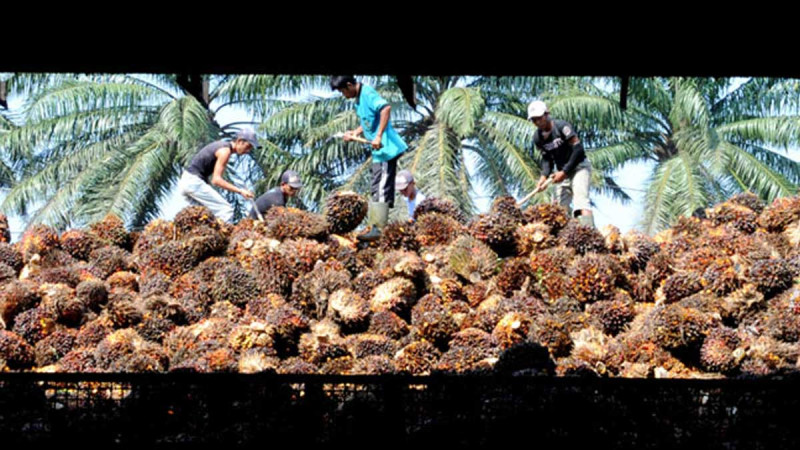
InfoSAWIT, JAKARTA – The palm oil plantation sector is often portrayed as a locomotive of rural economic growth. Behind the numbers of jobs created, there is another side that leaves big questions: what are the actual conditions of the workers, especially women, in this sector?
On the one hand, the palm oil industry does open up broad employment opportunities, especially in production centers. On the other hand, there are allegations of violations in the recruitment and treatment of workers that do not always comply with regulations. These allegations are strengthened when it comes to the involvement of female labor.
Several reports note that many female workers in palm oil plantations have not received their full rights. In some cases, women are only seen as their husbands' "helpers," not as independent workers. As a result, their contributions are not officially recorded, and they do not receive the protection or facilities they deserve.
The concept of gender justice is once again a concern. However, it is important to understand that gender justice does not mean identical treatment for men and women, but rather the provision of fair rights according to their respective needs. For example, women who work as drivers in palm oil plantations should be provided with adequate safety and lodging facilities, separate from male workers.
Unfortunately, many of these basic needs have not been met. Research from IPB University through its Center for Agrarian Studies shows how the work of women in the palm oil sector is often unseen. Yet they are directly involved in supporting their families' economies—both on the plantation and at home.
The study also mentioned a striking difference between regions. In Sumatra and Riau, the economic contributions of men and women are quite balanced. However, in Kutai Kartanegara, a patriarchal culture is still strong. There is a view that women are more valued if they do not work, and housework is seen as a form of devotion that does not need compensation. In fact, women who work from home bear a heavier domestic workload than those who work outside. These issues are discussed in the Focus section of InfoSAWIT Magazine's July 2025 edition.
On the other hand, this edition also raises new hopes for palm oil farmers. Intercropping systems, or companion planting, are now being increasingly applied with crops such as bananas and watermelons. This concept allows farmers to earn additional income while waiting for palm oil to reach its productive age.
While not a new practice, intercropping is now gaining more attention because its benefits are tangible—it increases income, improves soil fertility, and promotes biodiversity. To strengthen its implementation, a project titled Living Lab has been started in Sumatra, involving farmers and researchers to develop sustainable intercropping practices. Stories about intercropping and the Living Lab initiative can be found in the Spotlight section of InfoSAWIT Magazine's July 2025 edition. (T2)