InfoSAWIT, JAKARTA – It was never part of his initial career plan, but for Alwi Hafiz, the opportunity to lead the partnership team at Sinar Mas Agribusiness and Food became a pivotal turning point. "When I was given the chance, I was surprised—but in a good way. It became one of the most meaningful chapters in my journey," he said.
Managing sustainability partnerships in a global agribusiness company is often seen as a matter of documents, agreements, or reports. But for Alwi, the role is far more personal: it's about building trust, finding common ground, and turning a shared vision into a tangible impact for people and the environment.
From peatland restoration with PepsiCo and Nestlé to supporting the welfare of farmers and childcare facilities in rural areas, Alwi emphasizes that partnership is more than just business. "It's about aligning missions, not just chasing KPIs. The impact must be felt directly on the ground," he said in a statement from Sinar Mas to InfoSAWIT on Thursday (8/28/2025).
Collaborating for Shared Impact
Behind every project, Sinar Mas Agribusiness and Food uses a Collective for Impact framework—an approach that stresses the importance of collaborating with partners who bring not only financial support but also new perspectives and ideas.
"The best partnerships are born when both parties care about the same outcome," Alwi explained. He gave an example where one partner encouraged the company to add a female participation indicator to a program. Initially not on the agenda, it has now become an important measure of success.
From Peat to Palm Oil Plantations
Several partnership programs now serve as tangible evidence on the ground. In West Kalimantan, the company, along with Nestlé, is continuing a peatland restoration project covering 2,600 hectares, which was initially started with L’Oréal. This effort combines ecological restoration, sustainable water management, and the diversification of community livelihoods.
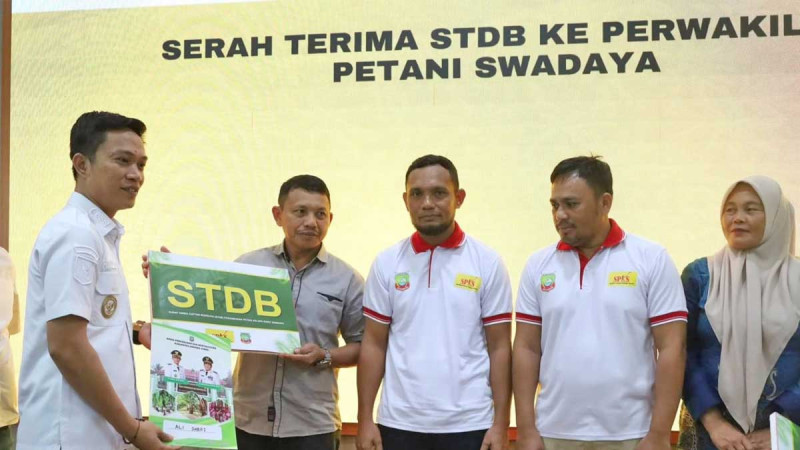
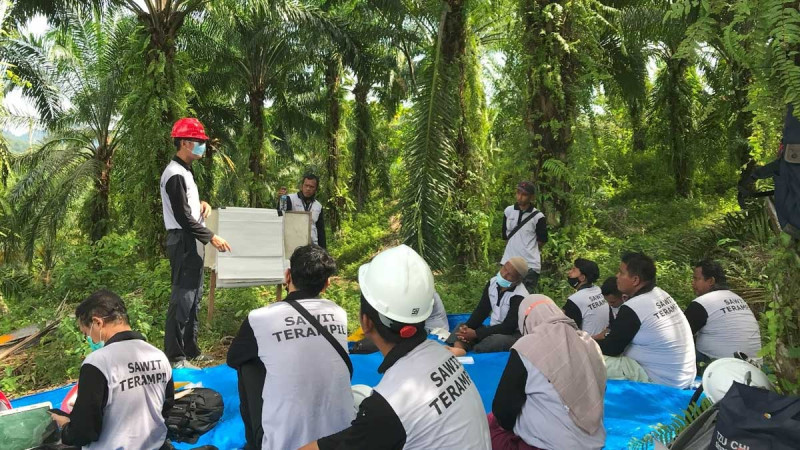
In North Sumatra, the Sawit Terampil (Skilled Palm Oil) program with IDH has trained over 3,000 independent palm oil farmers and mapped more than 3,000 hectares of land. Over 500 farmers are now on the path to RSPO and ISPO certification, with the support of various global partners like Mars, Mondelez, Fuji Oil, and Neste.
Meanwhile, in Riau, the Childcare Center (BPA) initiative, supported by ADM Cares and Tzu Chi, is helping to improve childcare facilities, train caregivers, and encourage the active participation of the Dharma Wanita association in social activities.
To date, nearly 20 partnership programs have been implemented—some are completed, others are ongoing. Alwi notes that success is not just about funding but also about shared ideas, a common vision, and trust. "Many partners come back for one simple reason: we keep our promises," he said.
Regular field visits are a means to strengthen relationships and show the direct impact on communities. The partnerships are collaborative, not transactional. "We listen, adapt, and grow together. That’s why partners continue to choose to go the extra mile with us," Alwi concluded. (T2)