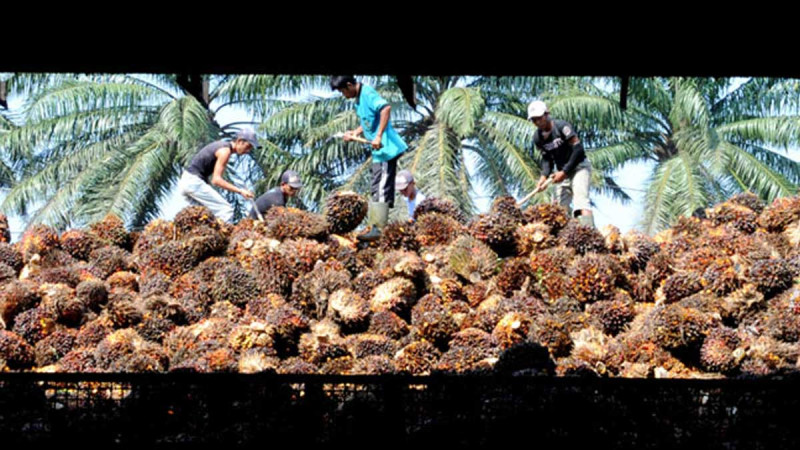
InfoSAWIT, JAKARTA – Amid global scrutiny of Indonesia's palm oil industry, the fate of small-scale farmers is once again taking center stage. Edy Dwi Hartono, Head of Program Development for Solidaridad Indonesia, warns that sustainability shouldn't stop at certification documents and labels. It must ensure that smallholder farmers remain a vital part of the supply chain.
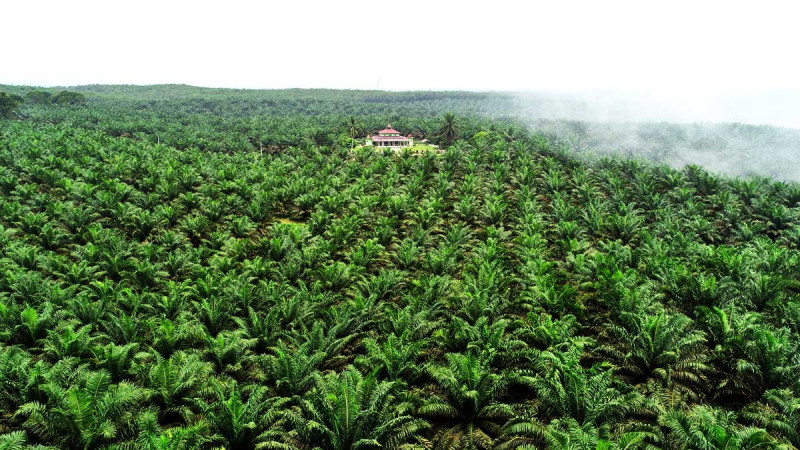
Of Indonesia’s approximately 2.5 million hectares of smallholder palm oil plantations, less than 1% are sustainably certified. This is a major irony, given the increasingly strict global demands for environmentally friendly and inclusive palm oil. “The risk is real; farmers could be left far behind, or even pushed out of the industry's mainstream,” Edy said, as quoted from InfoSAWIT Magazine's June 2025 edition.
Support efforts are underway in several regions, from West, Central, and East Kalimantan to Lampung. However, the path to certification is not easy. Farmers still face hurdles like transportation costs for audits, consumption expenses during verification, and other technical needs that often create a financial burden. Of the thousands of farmers trained by Solidaridad, only 220, covering 2,463 hectares, have successfully obtained certification.
Despite the challenges, opportunities remain. Presidential Regulation (Perpres) No. 16 of 2025 on ISPO (Indonesian Sustainable Palm Oil) is said to provide significant room for greater farmer involvement. Article 4, for example, emphasizes the importance of facilitating farmer groups through cooperative institutions and associations. In West Kalimantan, a synergy between cooperatives and palm oil mills is emerging, offering new hope. Article 16 also regulates certification financing, while Article 23 stresses the role of non-governmental organizations in supporting the process.
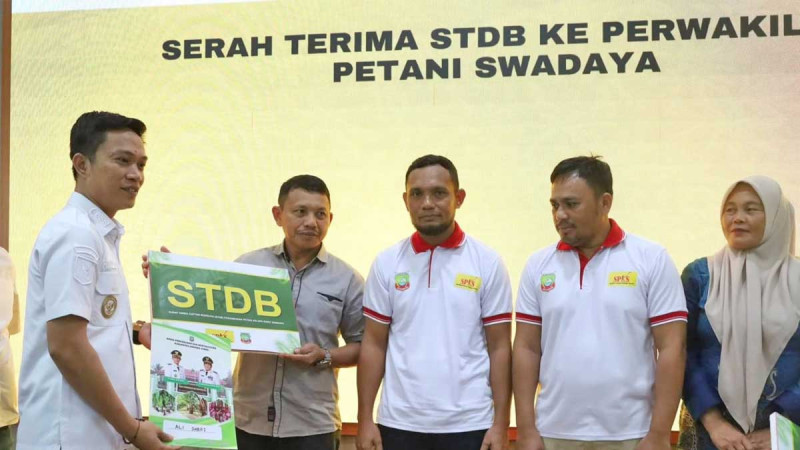
Since 2019, Solidaridad has trained 24,687 farmers, mapped 8,955 hectares of palm oil land, and helped issue 4,862 Cultivation Registration Certificates (STDBs). Although this is a significant achievement, obstacles at the local level remain a challenge. The implementation of central policies is not always matched by the readiness of regional administrations, making local support a primary focus.
“For us, palm oil is not just a commodity; it's part of the farmers' daily lives. Therefore, they must be ready to face sustainability standards, be it ISPO or RSPO. Farmers should not be mere spectators in this major transformation that also concerns their future,” Edy emphasized. (T2)