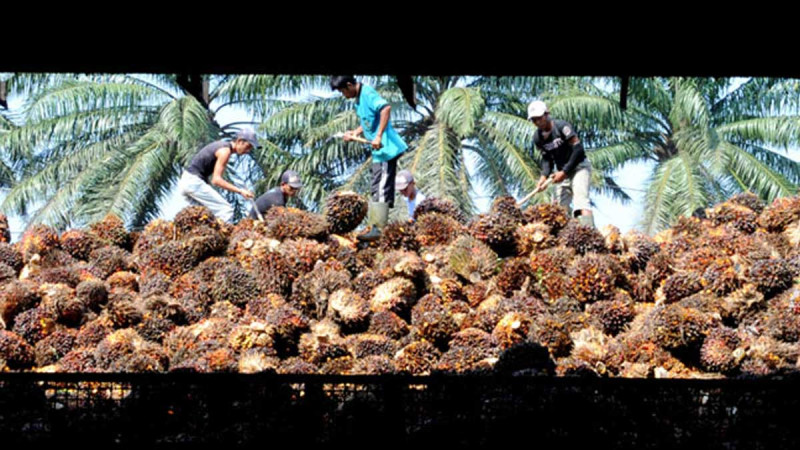
InfoSAWIT, SEI MANGKEI – Unilever is taking a new step in strengthening the transparency and sustainability of its palm oil supply chain. The global company is now working directly with palm oil producers and mills, cutting out the role of traditional intermediaries, while bringing most of the palm oil refining process to its own facilities.
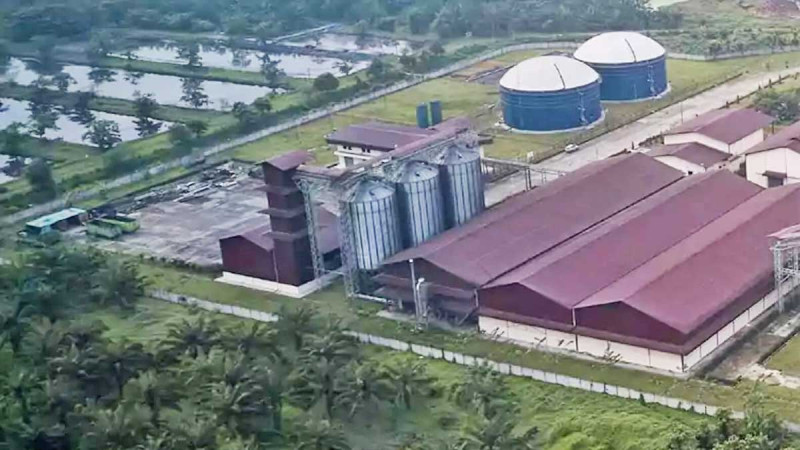
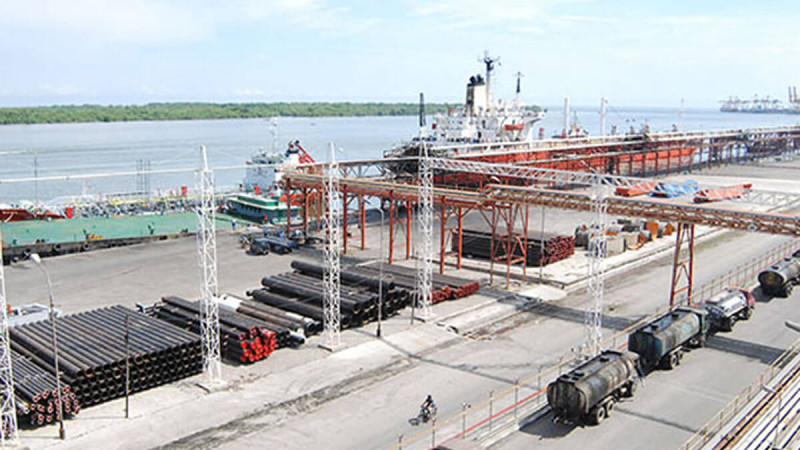
One strategic move is the expansion of Unilever Oleochemical Indonesia (UOI) in Sei Mangkei, North Sumatra. This facility is a crucial palm oil processing hub for Unilever products worldwide. However, UOI's expansion has made it the location with the largest greenhouse gas (GHG) emissions in Unilever's global operations. To achieve its target of a 100% reduction in Scope 1 and 2 emissions by 2030 compared to 2015, Unilever is switching to renewable energy.
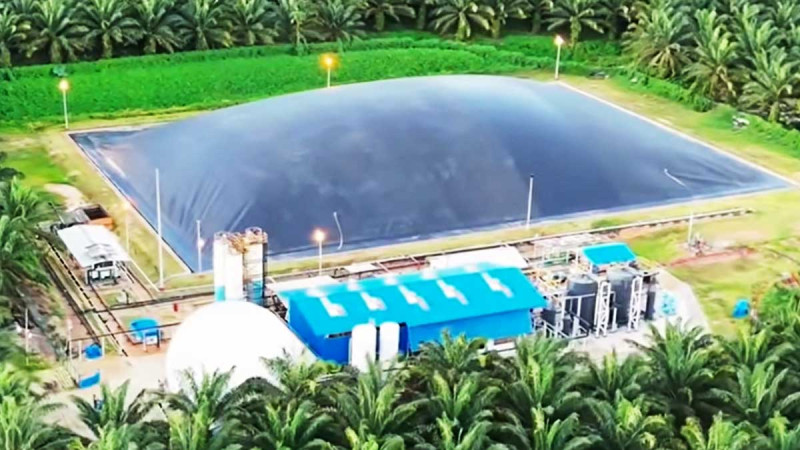
The latest innovation is the use of biomethane, a renewable energy source generated from palm oil mill effluent (POME). In partnership with KIS Group, a leading biogas provider in Asia, Unilever has begun replacing natural gas at UOI with biomethane. This environmentally friendly gas is produced from the waste of two partner palm oil mills that are part of the company's sustainability program. Notably, the biomethane is transported to UOI using trucks that also run on bioCNG fuel.
"We want to ensure that business expansion goes hand in hand with sustainability. The partnership with KIS allows us to reduce emissions in an innovative and efficient way," said Saikrishna Devarakonda, Managing Director of UOI, in an official statement quoted by InfoSAWIT on Monday (25/8/2025).
Going forward, Unilever will expand its cooperation with a third mill by the end of 2025, and plans to source biomethane from six additional mills within the next two years. The target is for UOI to meet almost a quarter of its energy needs from biomethane by 2030, equivalent to over 800,000 MMBtu annually.
This step not only helps Unilever achieve decarbonization but also provides broader benefits for Indonesia. Data shows that Indonesia’s POME potential can generate biomethane equivalent to more than 5% of the national natural gas consumption. "The benefits are twofold: Unilever reduces its emissions, while Indonesia becomes more self-sufficient in energy supply," said KR Raghunath, CEO of KIS Group.
In addition to suppressing methane emissions—which are extremely harmful if released into the atmosphere—the solid residue from the biomethane processing is utilized as organic fertilizer in nearby plantations. Thus, the palm oil supply chain becomes not only more sustainable but also provides added economic value to local communities.
"We are proud to be part of the first commercial biomethane offtake in Indonesia. This is just the beginning, and we hope this initiative inspires other companies to move toward clean energy," Saikrishna concluded. (T2)