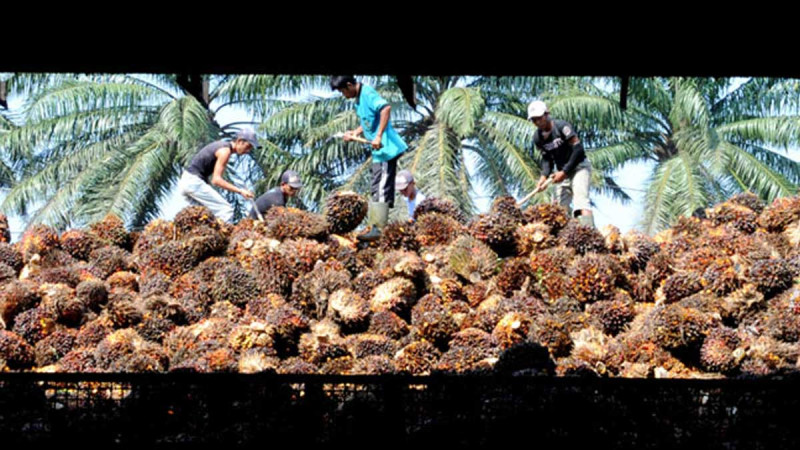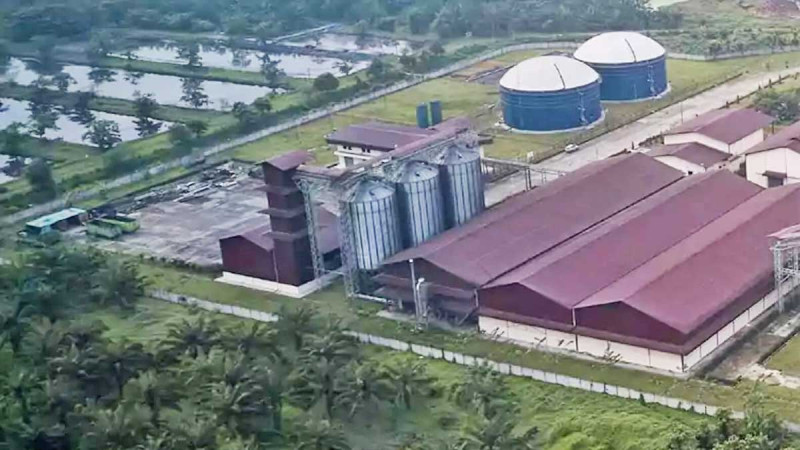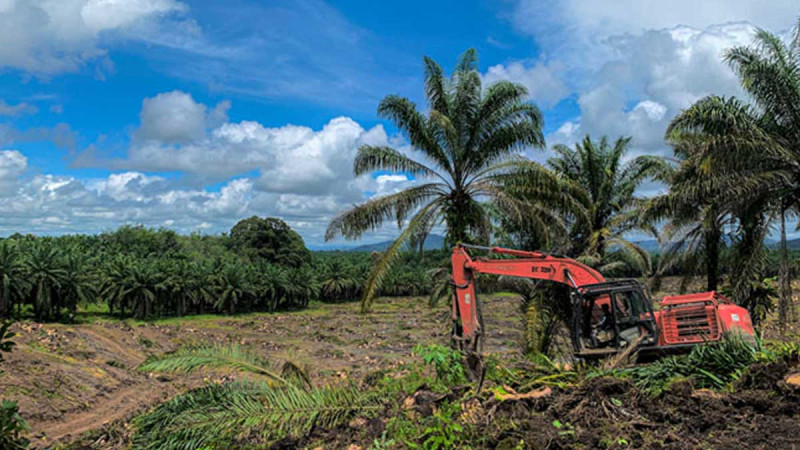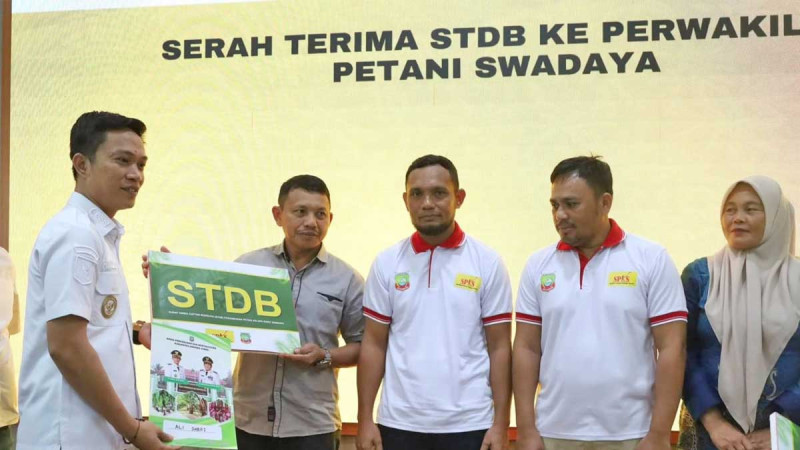
InfoSAWIT, PALANGKA RAYA — The issue of palm oil plantations in Seruyan Regency has resurfaced. Rahmanudin, a member of the Central Kalimantan Provincial DPRD from Electoral District II, believes that several problems in this sector continue to hinder the increase of local revenue (PAD) and the welfare of the community.
In a media gathering at the Istana Isen Mulang in Palangka Raya recently, Rahmanudin revealed that the management of local taxes from large private palm oil companies (PBS) is still not optimal. Meanwhile, local farmers whose lands are located in Production Forest (HP) areas face difficulties in obtaining quality seeds, which could impede productivity and mass harvesting.
“I hope the HP areas can be released for the welfare of the Seruyan community,” he stated, as reported by InfoSAWIT from KBRN RRI on Thursday, August 14, 2025.
In response, Central Kalimantan Governor Agustiar Sabran expressed support for finding a joint solution. “Diverse opinions are important inputs for us to resolve together,” he said.
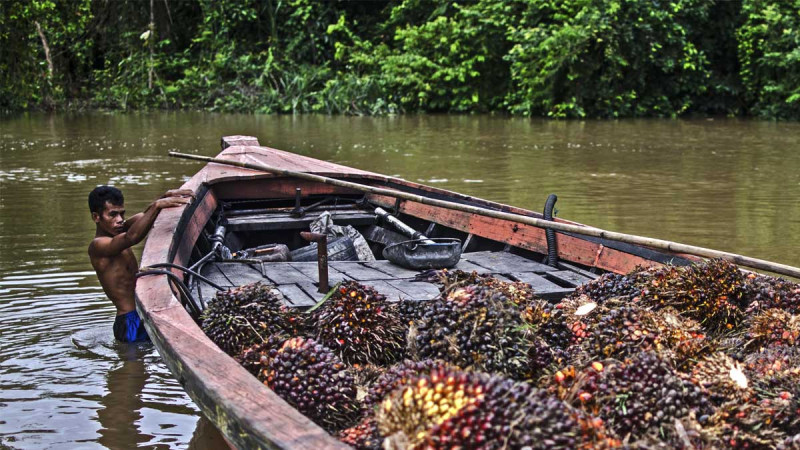
Seruyan is known as one of the regions with a high level of palm oil plantation conflict. Various issues have emerged, including land overlaps, plantation areas not matching permits, land clearing beyond the Business Use Rights (HGU), and companies operating without HGU.
The welfare of palm oil workers has also come under scrutiny, including minimum wages that do not meet regulations and inadequate health and labor protections.
Since 2015, Seruyan has been designated as a pilot area for plantations. However, land legality issues—at the level of independent farmers, communities, and companies—continue to persist. (T2)