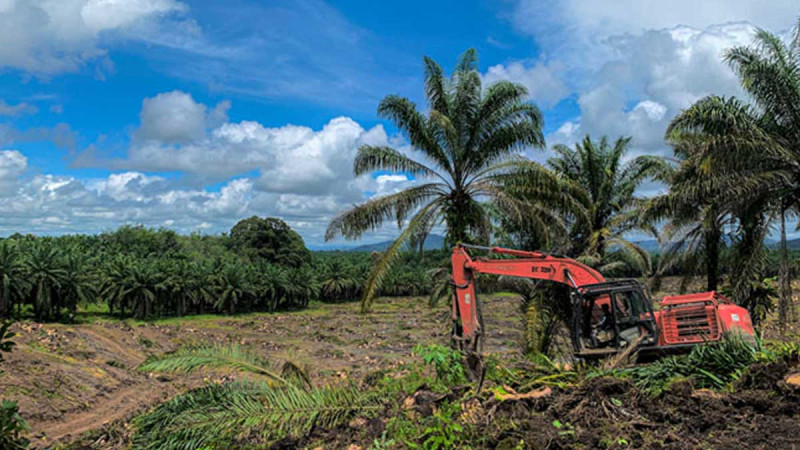

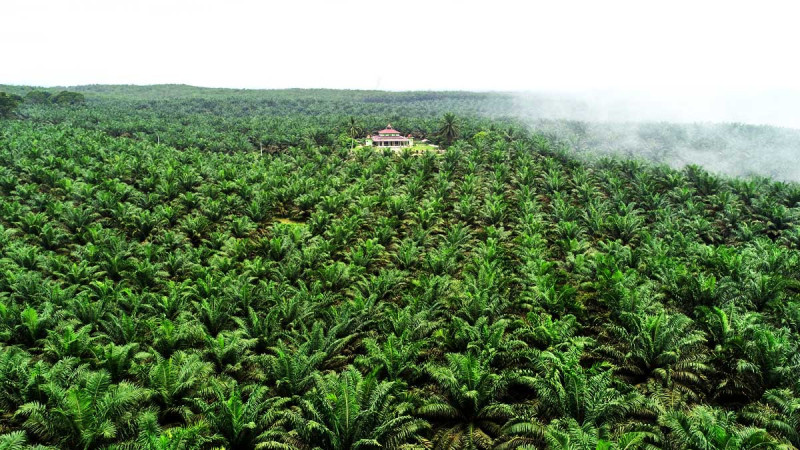
InfoSAWIT, JAKARTA - The global palm oil sector is taking steps to reduce carbon emissions, with palm oil-producing countries like Colombia implementing strategies to cut greenhouse gas emissions. This initiative demonstrates that the palm oil sector is not ignoring issues that impact climate change.
Palm oil (Elaeis Guineensis Jacq) has proven to be one of the most efficient sources of vegetable oil, both in terms of quality per unit area and production uniformity. Its diverse applications meet various human needs, making it an indispensable resource in modern industry.
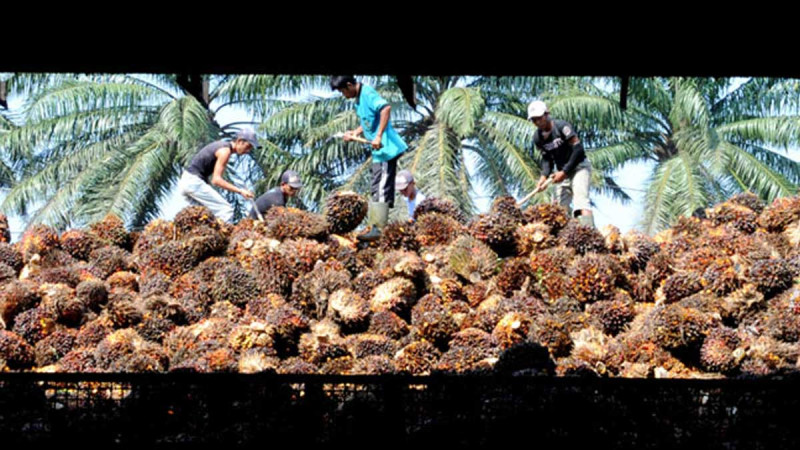
Palm oil is typically processed into crude palm oil (CPO), which is used in food products such as cooking oil and margarine. Additionally, palm oil plays a crucial role in non-food products, including chemicals for candles, soaps, cosmetics, and diesel fuel. By-products from palm oil, such as fibers from the fruit, can be processed into materials like boards, pulp, energy sources, and animal feed.
Global demand for palm oil continues to rise. From 2015 to 2022, global consumption increased by an average of 3.68%, with a slight decline in 2021-2022 due to pandemic-related lockdowns. However, consumption surged in 2023, with a growth rate of 6.92%.
Nevertheless, the palm oil industry faces environmental challenges, particularly regarding accusations of high carbon emissions. Consequently, palm oil-producing countries are beginning to implement strategies to counter these claims by reducing carbon emissions in their palm oil plantation operations.
In the global trading arena, tracing the supply chain of a commodity from upstream to downstream remains a significant challenge. Charlotte Sedlock from the University of Michigan, USA, highlighted this dynamic at the 2025 International Palm Oil and Environment Conference (ICOPE).
She noted that transparency in the supply chain is not only about formal policies but is also influenced by informal transactions that are often difficult to trace.
"More can be done, not always through formal actions, but also informally, depending on the type of commodity," Sedlock stated during her presentation at the conference attended by InfoSAWIT in Bali.
The main challenge is how to collect data from transactions that are not always well-documented. As a result, understanding who is involved in the supply chain becomes more complex. (T2)
For more details, read the June 2025 edition of InfoSAWIT Magazine.