InfoSAWIT, JAKARTA – Indonesia's biodiesel expansion could create new opportunities for smallholder palm oil farmers and small-scale processors, but industry representatives say policy support is needed to ensure that the benefits of downstream development reach plantation communities.
The Indonesian Association of Micro, Small and Medium Palm Oil Mills (GAPPKES MIKEMINO) is urging the government to expand the participation of smallholders and community-based palm oil mills, known as PABKESRA, in the national biodiesel supply chain.
The organization argues that Indonesia's biodiesel mandate should do more than strengthen energy security. It should also enable smallholders to participate in processing, industrial development, and the creation of added value from palm oil.
GAPPKES MIKEMINO Chairman M. Salim Simangunsong, together with advisory board members Dr. Sabil Rachman and Helmi Djen, said the success of downstream development should be measured partly by how widely its economic benefits are distributed.
“Mandatori Biodiesel Indonesia harus menjadi momentum transformasi ekonomi kelapa sawit rakyat. Petani tidak boleh selamanya ditempatkan hanya sebagai pemasok tandan buah segar bagi industri besar,” Salim said in a joint statement received by InfoSAWIT on October 2, 2026.
According to the organization, smallholders continue to face challenges including fluctuating fresh fruit bunch (FFB) prices, limited access to processing facilities, dependence on certain buyers, and restricted opportunities to participate in downstream industries.
Small-Scale Mills Seen as a Source of Biofuel Feedstock
GAPPKES MIKEMINO's internal data indicate that approximately 604 micro, small, and medium-sized palm oil mills are part of its potential development base for PABKESRA. Their combined production of high-free-fatty-acid palm oil, referred to by the organization as HACPO or HAPMO, is estimated at 2,174,850 tonnes annually.
The association believes this material could be developed for biodiesel and sustainable aviation fuel (SAF), provided it undergoes appropriate processing and purification and meets applicable standards.
Dr. Sabil Rachman said the biodiesel mandate should be viewed as more than a fuel-blending policy. In his view, it also presents an opportunity to generate employment, strengthen small and medium-sized industries, and distribute economic growth more widely across palm oil-producing regions.
He proposed establishing integrated downstream industrial zones that bring together smallholders, cooperatives, PABKESRA facilities, biodiesel and SAF producers, and supporting businesses.
Such zones could incorporate food processing, smallholder cooking oil production, animal feed, organic fertilizer, biogas, and biomass. Integrating these activities could improve resource efficiency while creating additional income streams for plantation communities.
The proposal would require cooperation among central and regional governments, financial institutions, cooperatives, businesses, and industry organizations. Access to technology, workforce training, product standardization, and reliable markets would also be important.
Clearer Standards Needed for Smallholder Processors
Advisory board member Helmi Djen highlighted the need for clear rules governing the supply of raw materials so that PABKESRA products can enter biodiesel supply chains transparently.
He noted that high-free-fatty-acid palm oil differs from conventional crude palm oil (CPO), making clear product nomenclature, quality standards, commodity classification, traceability, and appropriate trading mechanisms necessary.
According to the association, greater regulatory certainty would help protect small-scale processors while improving confidence among potential investors and industrial buyers.
Five Priorities for Community-Based Biodiesel
To expand smallholder participation, GAPPKES MIKEMINO outlined five proposed priorities.
First, it wants partnership mechanisms connecting PABKESRA facilities, farmer cooperatives, raw-material processors, and biodiesel producers, subject to applicable technical and regulatory requirements.
Second, it proposes developing community-based biodiesel plants, known as BIORA, integrated with smallholder palm oil downstream industrial zones. Feasibility studies, suitable technology, quality standards, and financing would be required.
Third, it calls for stronger cooperatives and greater farmer ownership, giving smallholders opportunities to participate in business operations and benefit from downstream value creation.
Fourth, it proposes improving trade administration through digitalization and traceability, including the development of SITASRA, a proposed information and governance system for PABKESRA, and a study into establishing a dedicated PABKESRA exchange.
Fifth, it advocates integrated downstream zones linking bioenergy with food production, animal feed, organic fertilizer, biogas, biomass, and micro, small, and medium-sized enterprises.
B50 Expansion Creates an Opportunity for Reform
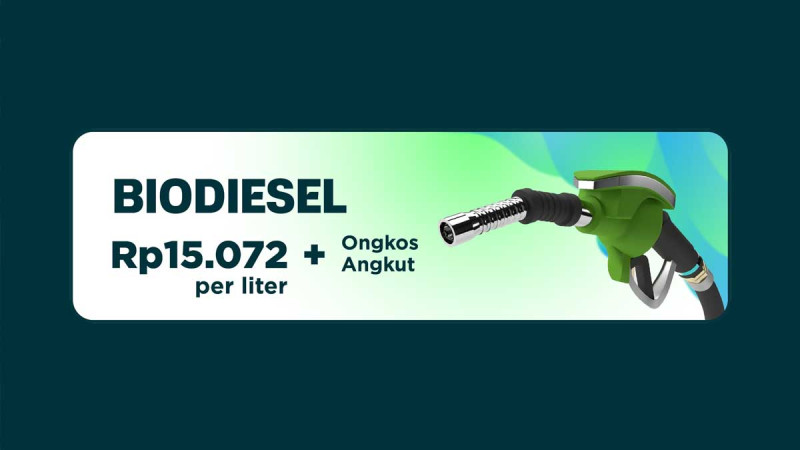
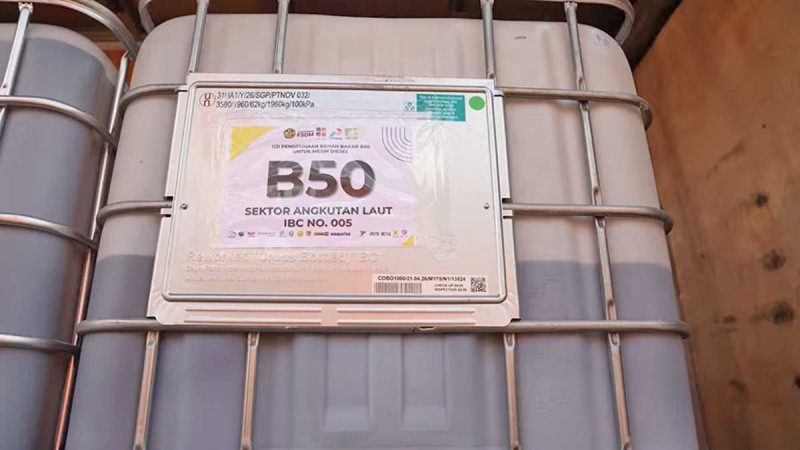
The proposals come as Indonesia advances its mandatory B50 biodiesel program, which began implementation in July 2026. Citing a Ministry of Energy and Mineral Resources publication dated September 15, 2026, GAPPKES MIKEMINO said the program had reached 6,050 fuel stations, while some distribution terminals were still undergoing transition.
For the association, the rollout presents an opportunity to build a biodiesel ecosystem that supports not only domestic energy supply but also business development in palm oil-producing communities.
Salim emphasized that bioenergy development must balance energy demand, sustainable feedstock supplies, food needs, and smallholder welfare.
GAPPKES MIKEMINO said it was ready to work with government agencies, biodiesel producers, investors, cooperatives, and other stakeholders to develop an industrial model that includes smallholders and community-based processors.
Ultimately, the association argues that Indonesia's biodiesel strategy should be judged not only by its contribution to energy independence, but also by whether smallholders gain a meaningful role in downstream industries and a fairer share of the value generated from the country's palm oil resources. (T2)