InfoSAWIT, PALEMBANG – Palm oil smallholders in Indonesia are being encouraged to prioritize certified planting material over cheaper alternatives, as seed quality can influence plantation productivity and returns over the long term.
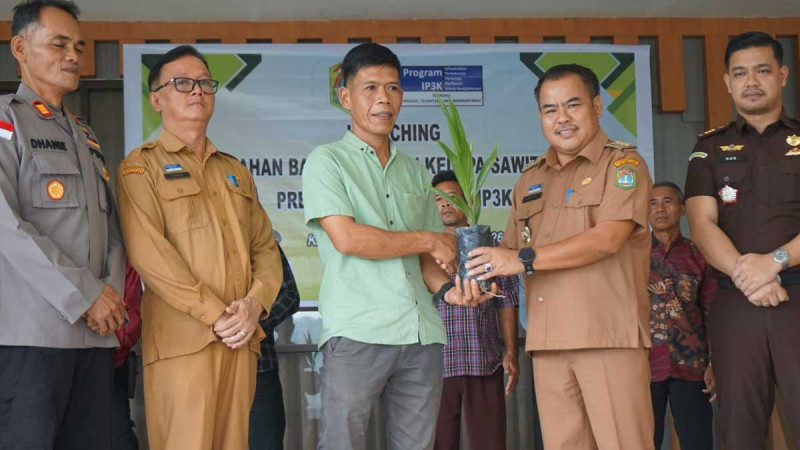
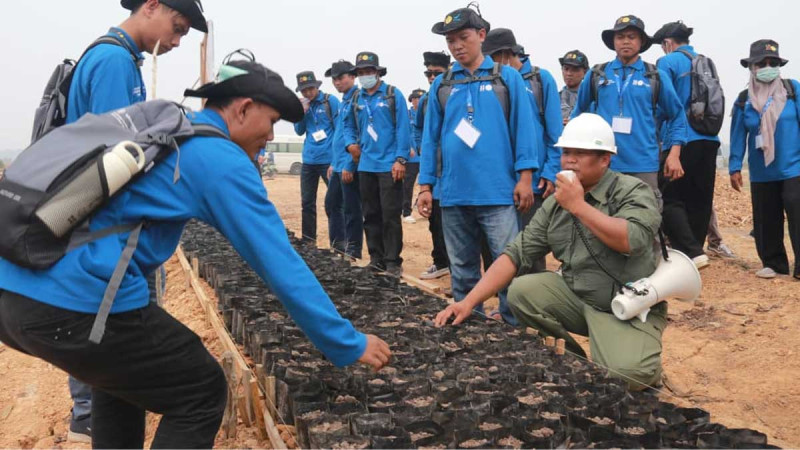
The issue was highlighted during a palm oil cultivation training program attended by 176 smallholders from Ogan Komering Ulu (OKU), South Sumatra. Held in Palembang from September 29 to October 4, 2026, the program was organized through collaboration between the Palm Oil Plantation Fund Management Agency (BPDP), the Directorate General of Plantations, and IPB Training.
In an official statement received by InfoSAWIT on Sunday (October 4, 2026), IPB Training Director Muhammad Sigit Susanto urged smallholders not to base seed purchases solely on price. He said certified planting material offers a more reliable foundation for developing productive plantations.
“Petani mestinya memilih bibit yang tersertifikasi. Bibit unggul produktivitasnya sudah diteliti di laboratorium dan dibuktikan di lapangan,” Sigit said.
Seed Quality Shapes Long-Term Plantation Returns
Palm oil is a long-cycle plantation crop, making the selection of planting material a critical investment decision. Seeds with limited production potential can undermine the returns on spending for fertilizer, labor, and routine maintenance over many years.
Certified high-quality planting material can provide a stronger foundation for productivity, although genetic potential must be supported by suitable growing conditions and sound plantation management.
During the training, participants learned how to distinguish superior planting material from non-superior seeds, verify seed origins, and manage nursery development from the pre-nursery to the main nursery stages. The program also covered how to identify abnormal seedlings before they are transferred to the field.
Participants discussed methods for selecting superior planting material, choosing suitable varieties, and understanding the characteristics of the tenera type, which is widely used in commercial palm oil plantations.
Training Covers Plantation Management
The program involved six training cohorts, from the 30th to the 35th groups, and covered more than seed selection. Participants also received instruction in land preparation, planting, crop maintenance, fertilization, weed management, and pest and disease control.
The training is particularly relevant to OKU, which has approximately 72,900 hectares of oil palm plantations, most of them managed by smallholders.
Relatively favorable palm oil prices have also encouraged some rubber smallholders in the district to develop or switch to oil palm cultivation. However, the long-term success of such decisions depends on technical knowledge and proper plantation management, beginning with land preparation and continuing throughout the crop cycle.
Certified Planting Material Supports Sustainable Growth
For smallholders, choosing certified seeds should be viewed as a long-term investment rather than simply an initial planting expense. Better planting material, combined with consistent crop management, can help improve plantation performance and strengthen the economic prospects of smallholder businesses.
As Indonesia continues to develop its palm oil sector, access to reliable planting material and practical cultivation training remains important for helping smallholders build more productive and sustainable plantations. (T2)