InfoSAWIT, PALEMBANG – Improving smallholder oil palm productivity requires more than expanding planted areas. Better planting material, appropriate crop management, effective fertilisation and harvesting practices are essential to helping growers achieve higher yields and maintain plantation sustainability.
Against this backdrop, 176 smallholders from Ogan Komering Ulu (OKU) Regency in South Sumatra participated in an oil palm cultivation training programme held in Palembang from September 29 to October 4, 2026.
According to InfoSAWIT, citing an official statement received on Sunday, October 4, the programme was organised through a collaboration between Indonesia’s Plantation Fund Management Agency (BPDP), the Directorate General of Plantations and IPB Training.
OKU has approximately 72,900 hectares of oil palm plantations, most of which are managed by smallholders. The extensive plantation area represents a significant economic asset for the region, but improving output depends heavily on strengthening growers’ technical capabilities and day-to-day plantation management.
Training Covers the Entire Cultivation Process
IPB Training Director Muhammad Sigit Susanto said productivity improvements must begin with the selection of quality planting material and continue through consistent crop management.
Although superior planting material provides an important foundation, plantation performance also depends on how effectively growers apply recommended cultivation practices in the field.
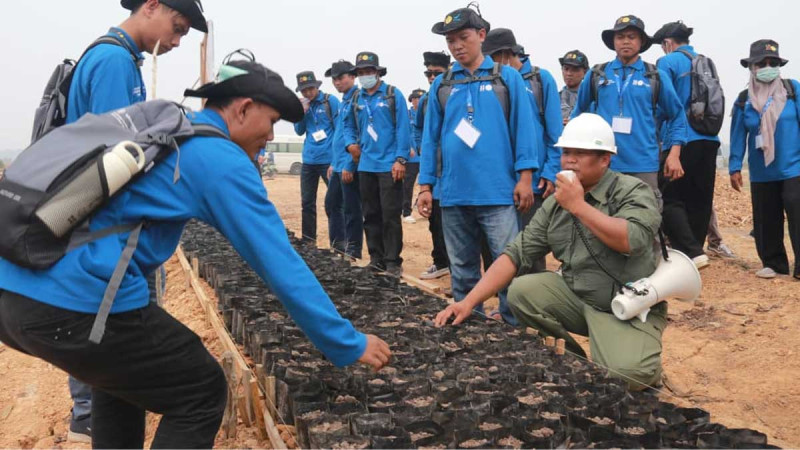
The training covered plantation policies and regulations, selection of superior planting material, nursery management, land preparation, planting, crop maintenance, fertilisation, pest and disease control, and harvesting techniques.
Participants also learned to identify abnormal seedlings, assess soil conditions, recognise nutrient deficiencies, manage weeds and identify organisms that can damage oil palm crops.
These skills are important because cultivation decisions at different stages of the production cycle are closely interconnected. Poor planting material or inadequate maintenance can affect palm development and limit yields once plantations reach their productive phase.
451 Smallholders Have Completed the Programme
Ir. Hendri Eka Putra, S.P., M.Si., IPM, secretary of the OKU Agriculture Office, said the training had been delivered in three batches, with a total of 451 smallholders participating across the programme.
“We hope that, equipped with this knowledge, growers will improve their cultivation practices and crop handling, and most importantly, increase productivity,” Hendri said.
Interest in oil palm cultivation has also been growing in OKU, partly supported by relatively favourable palm oil prices. This has encouraged some rubber growers to consider developing or switching to oil palm, increasing the importance of sound agronomic knowledge.
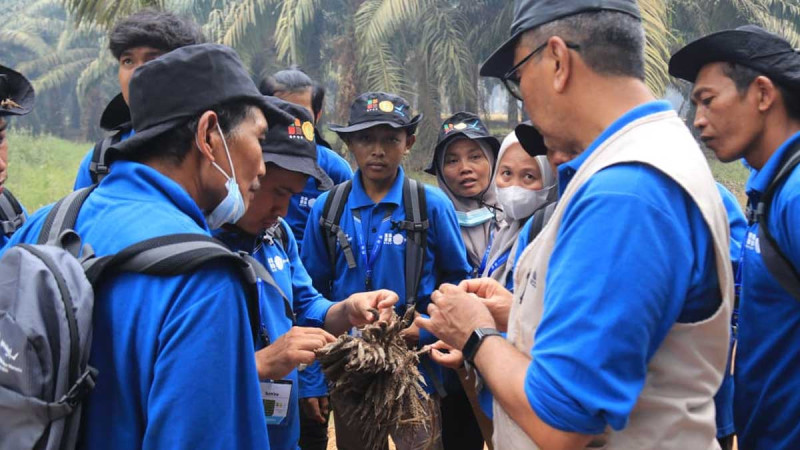
In addition to classroom sessions, participants visited PT Duta Reka Mandiri to observe cultivation practices directly and connect the training material with actual plantation operations.
The field visit provided an opportunity for growers to better understand how technical recommendations are implemented under commercial plantation conditions.
Building More Productive Smallholder Plantations
Strengthening smallholder capabilities is expected to help growers make better decisions on plantation maintenance, use fertilisers and other production inputs more efficiently, maintain crop health and improve harvested fruit quality.
For OKU, where smallholders account for much of the oil palm plantation area, investment in practical training could help unlock existing production potential without relying solely on further land expansion.
Combining quality planting material, appropriate agronomic practices and stronger technical skills will remain important to improving smallholder productivity and supporting the long-term sustainability of the oil palm sector. (T2)