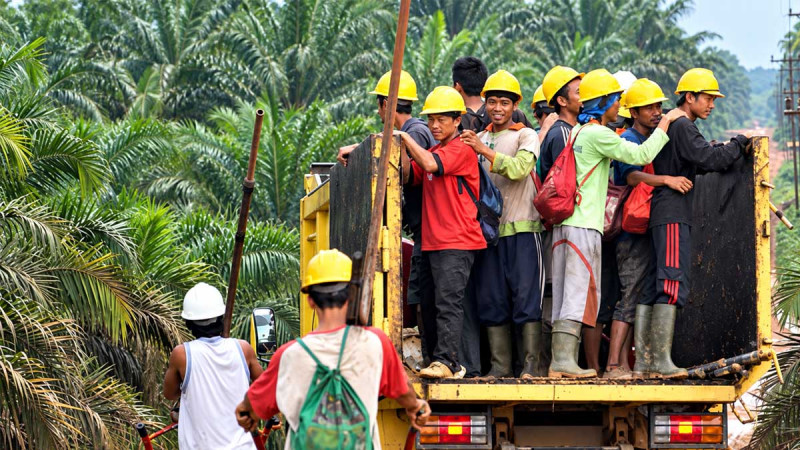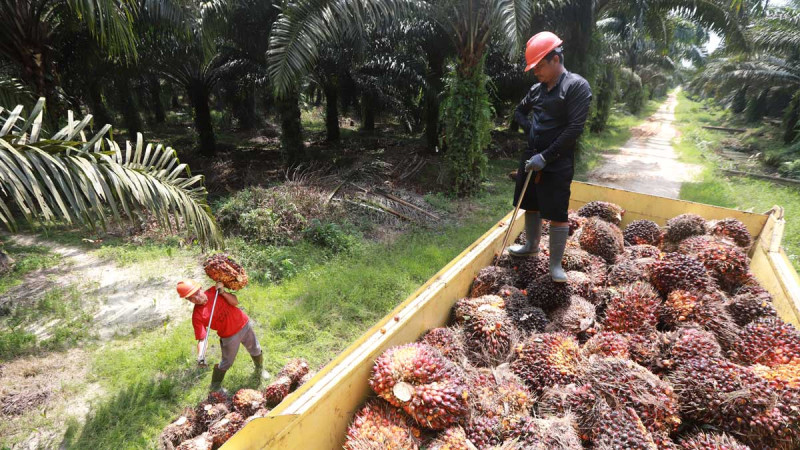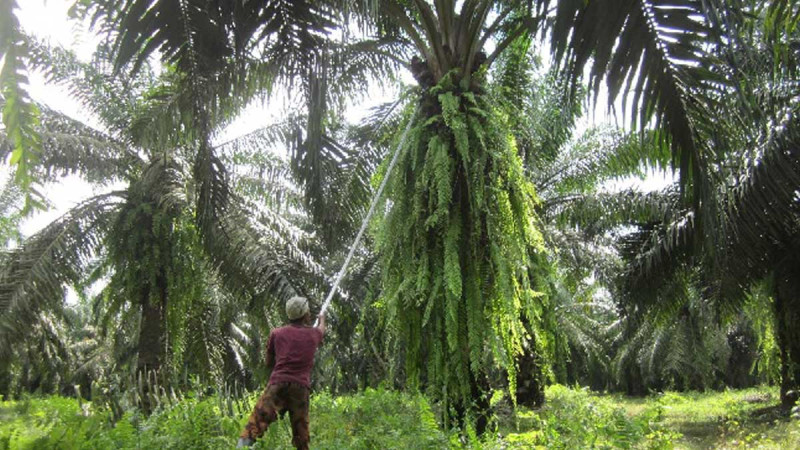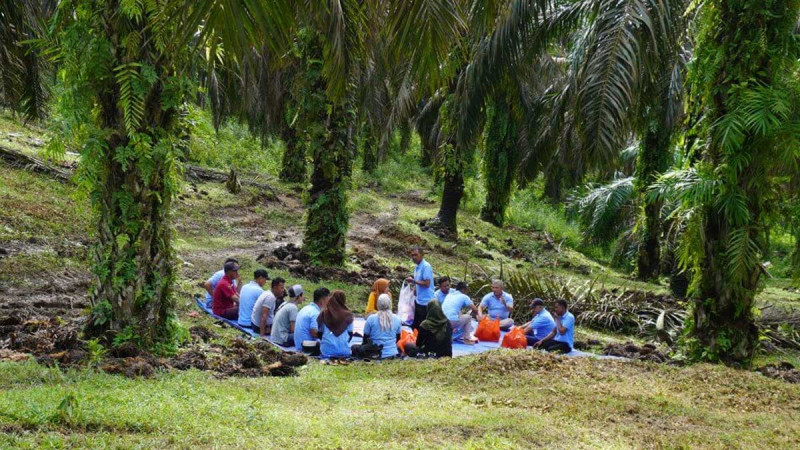
InfoSAWIT, KUALA LUMPUR – Meeting sustainability standards and increasingly demanding traceability requirements in global markets remains a challenge for Malaysian smallholders, particularly in areas such as plantation mapping, geolocation data, human-resource capacity and the complexity of palm oil supply chains.
Mohammad Shofi bin Mustopa of the National Association of Smallholders Malaysia (NASH) said many of the challenges faced by Malaysian smallholders are similar to those experienced by smallholders in Indonesia.
The complexity stems partly from the number of actors involved in the palm oil supply chain, while smallholders have varying levels of capacity to meet administrative and technical requirements.
Speaking during a joint CPOPC webinar with WWF Indonesia in Jakarta on Friday (September 18, 2026), Shofi said Malaysia already has a national sustainability framework through the Malaysian Sustainable Palm Oil (MSPO) certification system.
He said the existing framework could provide a foundation for strengthening traceability and ensuring that palm oil production meets sustainability requirements.
However, new market requirements, including those associated with the European Union Deforestation Regulation (EUDR), require greater support for smallholders. One of the key challenges is producing accurate geolocation data and mapping individual plantations.
Shofi said these responsibilities should not fall entirely on smallholders. Governments and industry players need to provide technical assistance, digital systems and practical support so farmers can meet traceability requirements without facing excessive administrative and financial burdens.
Human-resource limitations are another challenge. A large number of smallholders require assistance, while the number of personnel available to support plantation mapping, documentation and compliance remains limited.
At the same time, sustainability compliance needs to generate tangible economic benefits for smallholders. Without clear incentives, the additional costs and workload associated with meeting sustainability and traceability requirements could become a burden for small-scale producers.
Shofi therefore called for more comprehensive dialogue involving Malaysia, Indonesia, the European Union, governments, industry stakeholders and smallholder organizations.
Such discussions, he said, are needed to ensure that sustainability and traceability requirements take into account the realities faced by producers at plantation level.
Ultimately, the effectiveness of sustainability standards will depend not only on the rules themselves, but also on whether smallholders are able to participate in the system. Better plantation mapping, digitalization, technical assistance and economic support will be important if smallholders are to remain connected to international palm oil markets. (T2)
Source: InfoSAWIT