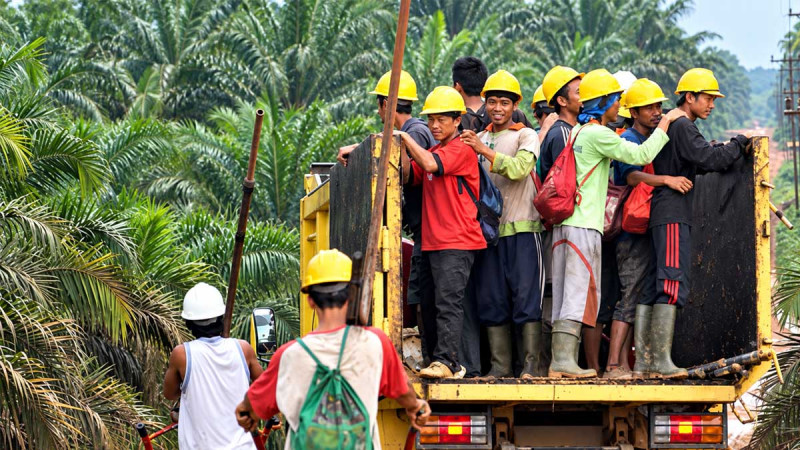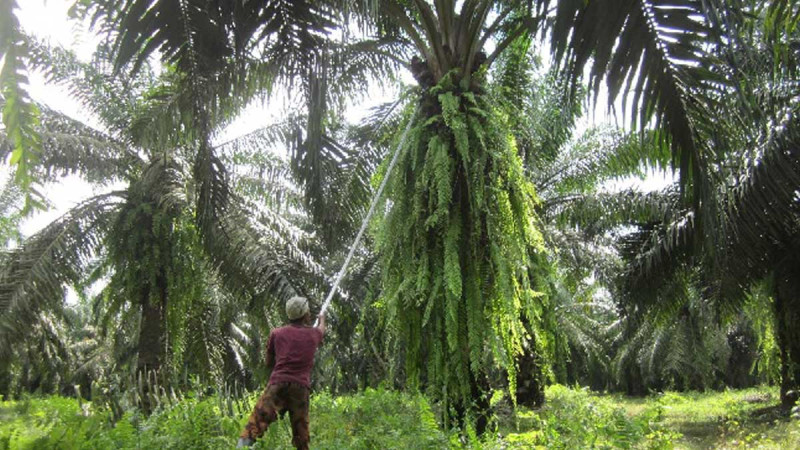
InfoSAWIT, JAKARTA – High turnover among harvesters in oil palm plantations does not always happen overnight. A decline in attendance, falling productivity and growing complaints can provide early warning signs that companies need to identify before labor shortages begin to disrupt plantation operations.
Harry Agug Pratama, Dept Head of HR Business Partner & Organisation Development at PT Pasifik Agro Sentosa, said the company has developed a monitoring system as part of its efforts to retain harvesters.
He shared the approach during IPS Planter Talks 2026 Series 1, themed “Palm Oil Human Resources Emergency,” held on Saturday (September 19, 2026).
Rather than waiting until a shortage occurs and then recruiting new workers, companies also need to monitor their existing workforce, Harry explained. Changes in employee behavior can provide an indication that a worker may be considering leaving the company.
Attendance is one of the indicators being monitored. When a harvester begins to miss work more frequently, particularly when absenteeism increases over the course of a month, the pattern can become an early warning signal.
Other indicators include declining productivity, employee complaints and workplace conflicts. When several of these signs appear at the same time, the company can classify the situation as a red flag requiring further attention.
The earlier such changes are identified, Harry said, the greater the opportunity for management to understand what is actually happening before the situation develops into employee turnover.
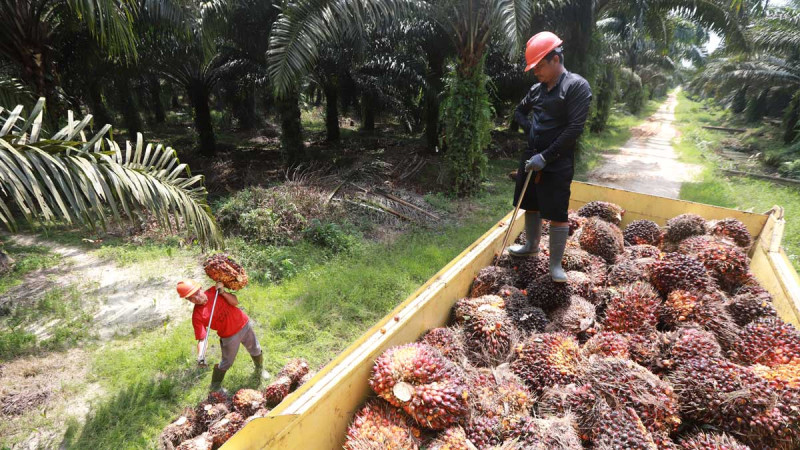
The issue is particularly important for oil palm plantations because a shortage of harvesters can quickly affect field operations. Fresh fruit bunches continue to mature and require harvesting, while a significant absence of workers can disrupt harvesting rotations and eventually affect production and company revenue.
For this reason, employee retention is increasingly becoming part of plantation operational strategy rather than simply an HR concern.
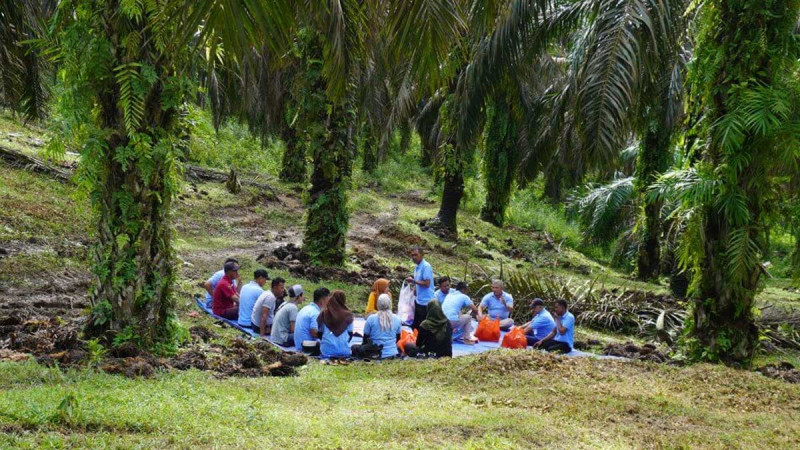
Harry said the company also seeks to understand why workers choose to stay or leave through assessments and interviews. The information is then used to evaluate a range of factors, including income, leadership, facilities, working conditions and family needs.
The approach places human resource management closer to the core of plantation operations. Early detection of workforce problems, combined with a better understanding of employee needs, can help companies maintain a stable workforce and support continuity in palm oil production. (T2)
Source: InfoSAWIT