InfoSAWIT, SINGAPORE – Higher operating costs and tighter gross margins did not prevent Kencana Agri from posting stronger earnings in the first half of 2026, as the palm oil producer reported a sharp increase in pre-tax profit and continued growth in net income.
The company's cost of sales climbed significantly to US$78.7 million in the first half of 2026, compared with US$58.9 million in the same period a year earlier.
While gross profit still increased by 13.7% to US$32.1 million from US$28.2 million, the faster rise in costs caused Kencana Agri's gross profit margin to narrow to 29%, from 32.4% in the first half of 2025.
The pressure on margins was largely linked to two strategic initiatives undertaken by the company.
First, Kencana Agri increased spending on plantation maintenance, including crop care and fertiliser application, as part of efforts to improve estate conditions, maintain plant nutrition and support long-term production stability.
Although the programme has added to production costs in the short term, the company views the expenditure as an investment in the productivity and sustainability of its plantation assets.
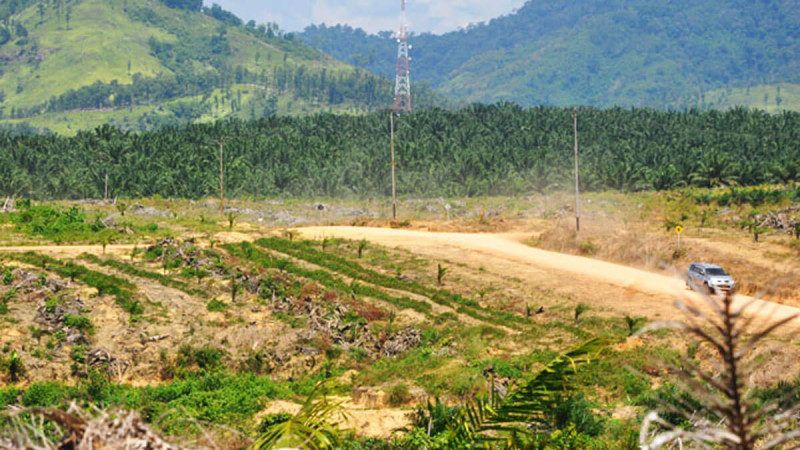
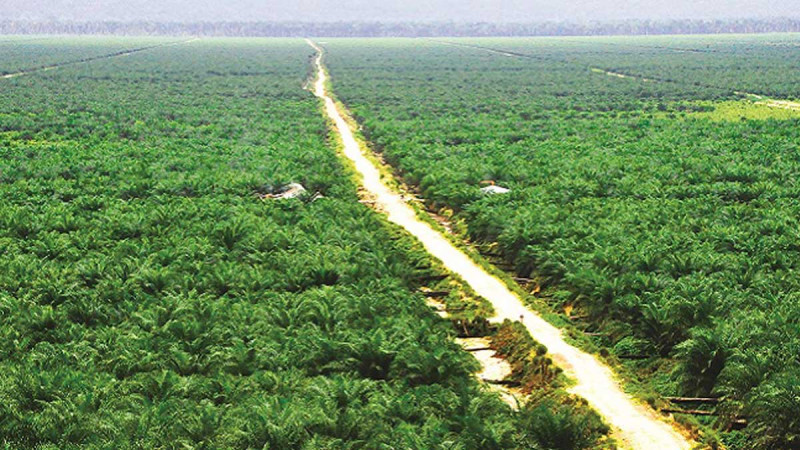
Second, Kencana Agri increased purchases of fresh fruit bunches (FFB) and crude palm oil (CPO) from third parties to maintain mill utilisation, particularly in Bangka, where part of its plantation area is undergoing replanting.
Externally sourced raw materials carry higher costs per tonne than supplies from the company's own estates, contributing to the decline in consolidated gross margins during the replanting period.
Nevertheless, the strategy helped support total gross profit and maintain the economic efficiency of the company's processing operations while its plantations undergo renewal.
Pre-Tax Profit Jumps 44.3%
Despite the margin pressure, Kencana Agri delivered a strong increase in pre-tax earnings.
Profit before tax rose 44.3% to US$18.9 million in the first half of 2026, compared with US$13.1 million in the corresponding period of 2025.
The improvement was supported not only by higher gross profit but also by a reduction in net fair value losses on biological assets and plasma receivables, which fell to US$1.3 million from US$2.2 million a year earlier.
Finance costs also declined to US$5.3 million from US$6.9 million, reflecting lower borrowings across the group. Distribution expenses eased to US$1.1 million from US$1.4 million, mainly due to lower delivery costs.
Income tax expenses, however, rose sharply to US$7.1 million from US$3.4 million. The increase reflected higher current taxable profits as well as the recognition of a US$2.3 million under-provision for taxes related to previous years.
After accounting for these factors, Kencana Agri recorded a net profit of US$11.8 million for the first half of 2026, up US$2 million, or 20.6%, from US$9.8 million in the same period last year.
Weaker Rupiah Weighs on US Dollar Results
Currency movements also affected the group's reported performance.
Most of Kencana Agri's operating subsidiaries are based in Indonesia and use the rupiah as their functional currency, while the company's consolidated financial statements are presented in US dollars.
During the first half of 2026, the average rupiah exchange rate weakened by around 5%, from Rp16,425 per US dollar in the first half of 2025 to Rp17,251 per US dollar in the same period this year.
Because much of the group's revenue and costs are generated in rupiah, the weaker currency reduced the value of its operating performance when translated into US dollars.
According to the company's calculations, if the average exchange rate had remained at the first-half 2025 level, Kencana Agri's revenue in the first half of 2026 could have reached approximately US$116.4 million.
Gross profit would have been around US$33.7 million, while net profit could have reached approximately US$12.4 million.
On a constant-currency basis, revenue growth would have been about 33.5%, compared with the reported increase of 27.1%. Gross profit growth would have reached an estimated 19.4%, while net profit growth could have been around 26.7%.
The figures suggest that Kencana Agri's underlying operational performance was stronger than what was reflected in its US dollar-denominated financial results.
Looking ahead, improvements in plantation productivity, mill optimisation and cost management are expected to remain key priorities as the company continues its replanting programme and navigates changing conditions in the global palm oil market. (T2)
Source: InfoSAWIT