InfoSAWIT, BANDUNG – Indonesia's implementation of the B50 biodiesel mandate represents more than an energy transition policy—it signals a broader economic strategy that could reshape the country's palm oil industry, export dynamics, and long-term energy security, according to palm oil analyst and Senior Agronomist Memet Hakim.
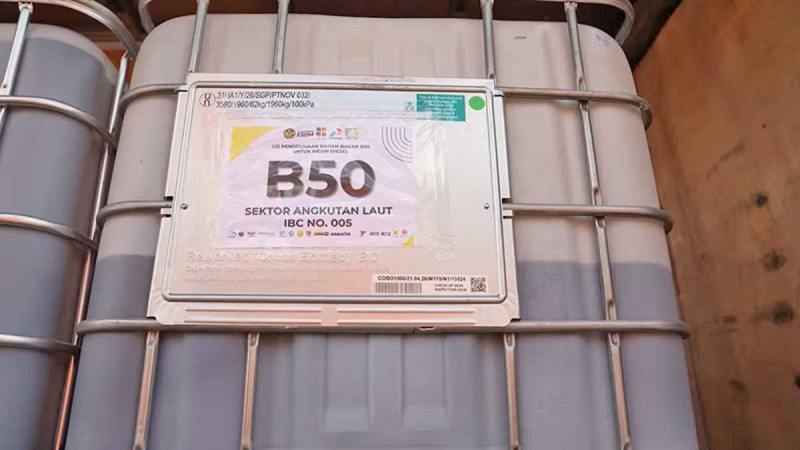
In an opinion published by InfoSAWIT, Hakim argued that the nationwide rollout of B50, officially launched by President Prabowo on July 9, marks a significant milestone in Indonesia's pursuit of energy independence. However, he cautioned that the policy also introduces complex economic trade-offs that deserve careful consideration.
According to Hakim, every 10-percent increase in biodiesel blending requires roughly four million tonnes of additional palm oil annually. Under the B50 mandate, domestic biodiesel consumption is expected to absorb around 19–20 million tonnes of palm oil each year, significantly reducing the volume available for export.
While the policy could eliminate Indonesia's reliance on imported diesel fuel—potentially saving an estimated Rp157 trillion—it may also reduce export earnings as more crude palm oil is diverted to the domestic market.
Hakim noted that Indonesia's expanding biodiesel program has strengthened the country's bargaining position in the global vegetable oil market. When European demand declined following the implementation of the European Union Deforestation Regulation (EUDR), domestic biodiesel consumption helped stabilize palm oil prices by absorbing excess supply.
He believes the B50 program has transformed palm oil from a traditional export commodity into a strategic economic and diplomatic instrument.
The analyst also highlighted Indonesia's position as the world's first country to commercially implement a 50-percent palm-based biodiesel blend, suggesting the country could eventually move toward higher blending ratios if national palm oil production increases substantially.
To support future expansion, Hakim emphasized the importance of improving plantation productivity through better agronomic practices and broader access to subsidized fertilizers for the plantation sector.
He also pointed to persistent disparities between domestic and international palm oil prices, arguing that improvements in marketing systems and supply chain governance could help deliver greater value to farmers while strengthening Indonesia's competitiveness.
Although acknowledging the economic costs associated with diverting more palm oil to domestic energy use, Hakim concluded that the B50 program should be viewed as a long-term investment in national energy sovereignty rather than solely through the lens of export revenues. (*)
Editor's Note: This article summarizes an opinion piece. The views expressed are those of the author and do not necessarily reflect the editorial position of InfoSAWIT.