InfoSAWIT, JAKARTA – Indonesia's Ministry of Trade has assured industry players that exports of palm oil derivative products will continue uninterrupted during the transition period for the implementation of Minister of Trade Regulation (Permendag) No. 16/2026, which governs the export policy and procedures for strategic palm oil commodities.
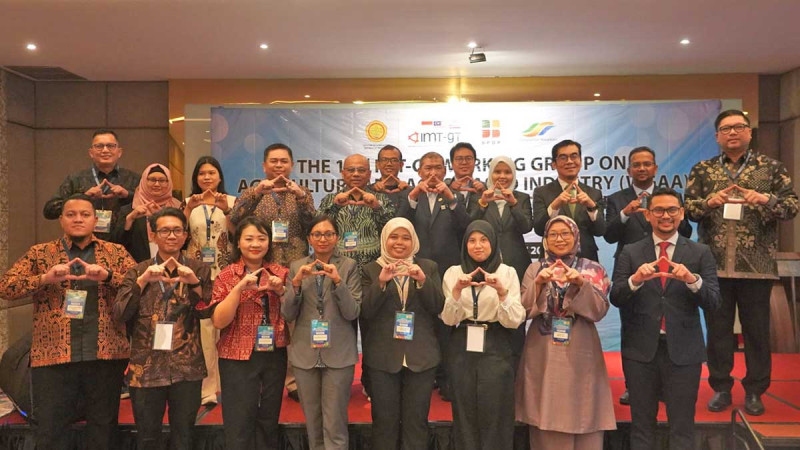
Speaking during a public dissemination event on the new export regulation attended by InfoSAWIT on Tuesday (June 9, 2026), Bayu Wicaksono Putro, Director of Export and Import Facilitation and Acting Director of Agricultural and Forestry Product Exports at the Ministry of Trade, said the new regulation largely retains provisions that were previously stipulated under Permendag No. 26/2024.
"The scope of regulated products remains the same as under the previous regulation. These products have already been covered under Permendag No. 26/2024," Bayu said.
Under the new framework, the government continues to regulate exports of five categories of palm oil products, namely Crude Palm Oil (CPO), Refined Bleached Deodorized Palm Oil (RBDPO), Refined Bleached Deodorized Palm Olein (RBDPL), Used Cooking Oil (UCO), and residues.
Bayu explained that, under the full implementation of the regulation, exports can only be conducted through designated state-owned export enterprises (BUMN Ekspor) that possess the required export licenses in the form of Export Approvals. These approvals will be granted based on Export Rights obtained through participation in the domestic market obligation (DMO) programme for the government's Minyakita initiative.
To facilitate a smooth transition, the government has established a transition period running from June 1 to December 31, 2026. During this period, existing exporters may continue their operations while authorities evaluate the effectiveness of the new policy framework.
According to Bayu, Export Approvals issued before or during the transition phase will remain valid until December 31, 2026, at the latest.
"Regular evaluations will be carried out during the transition period. In the first three months, implementation assessments will be coordinated by the Coordinating Ministry for Economic Affairs," he said.
Existing exporters will continue using the current export system, including customs services through the CEISA platform, reporting foreign exchange earnings from natural resources exports through SIMODIS, and fulfilling all licensing and export payment obligations.
Export documentation, such as Export Declarations (PEB), supporting customs documents, and transaction records, will continue to be issued under the names of existing exporters. However, companies will be required to submit additional electronic reports to the designated state-owned export enterprises.
"Existing exporters will continue their export activities as usual, with the additional requirement of reporting to state-owned export enterprises," Bayu explained.
During the transition phase, exports of strategic palm oil commodities through BUMN Ekspor may also be conducted through a reporting mechanism that requires exporters to provide export documents, data, and other relevant information to the appointed state-owned enterprises.
Full implementation of the new export governance system is scheduled to begin no later than January 1, 2027. From that point onward, palm oil exports will only be conducted through BUMN Ekspor entities holding Export Approvals based on Export Rights obtained either from DMO participation or transfers from business actors.
Bayu emphasized that, in substance, Permendag No. 16/2026 does not significantly alter the overall structure of the previous regulation. The main adjustments concern terminology and provisions governing the transition period, as outlined in Article 43 of the regulation.
"There are not many changes in terms of the regulatory structure. Several refinements have been introduced, including provisions on the transition period to ensure smoother policy implementation," he noted.
With the enactment of Permendag No. 16/2026, the government has officially revoked Permendag No. 26/2024 concerning the export of palm oil derivative products. The new regulation took effect on June 1, 2026.
The government expects the transition period through the end of this year to provide sufficient time for all stakeholders to prepare for the full implementation of Indonesia's new palm oil export governance system beginning in 2027. (T2)